More Child Health and Safety Articles
The Activities Children Outgrow Slowly-and Benefit From for Years

Photo by Artem Kniaz on Unsplash
Parents often assume certain childhood activities will be temporary. A child becomes interested in something, spends a few months enjoying it, and eventually moves on to the next fascination. Sometimes that happens. Other times, an activity remains part of a child’s life far longer than anyone expected.
The most valuable activities are often those that evolve alongside the child. Instead of becoming obsolete, they become more engaging as skills improve and interests deepen. What begins as simple entertainment can gradually develop into a source of creativity, social connection, problem-solving, and confidence.
These experiences are especially meaningful because they provide benefits that extend well beyond childhood. The lessons learned through play, collection-building, strategic thinking, and communication often continue influencing young people for years.
Some Interests Grow More Complex Over Time
Many childhood activities lose their appeal because they never change. Once a child understands the basics, there is little left to explore.
Others continue revealing new layers as children mature. Strategy games are a good example. Younger participants may initially enjoy the characters, artwork, or excitement of gameplay. Over time, they begin developing planning skills, decision-making abilities, and long-term thinking.
That gradual progression helps explain why products such as the one piece card game appeal to a wide range of ages. A younger player may focus on collecting favorite characters, while older participants become interested in strategy, deck-building, and competition. The activity evolves alongside the individual rather than remaining fixed at a single developmental stage.
Activities that grow with children often remain meaningful far longer than parents initially expect.
Play Creates Opportunities for Learning
Children rarely describe their favorite activities as educational. They participate because something feels fun, interesting, or rewarding.
Yet many forms of play naturally encourage learning. Games require decision-making. Creative projects encourage experimentation. Collaborative activities teach communication and teamwork. Even friendly competition can help children learn patience and resilience.
The most effective learning experiences often occur when children are focused on the activity itself rather than on the lesson being taught. Skills develop naturally because participation remains enjoyable.
This combination of engagement and learning is one reason play continues to be such an important part of childhood development.
Friendships Often Form Around Shared Activities
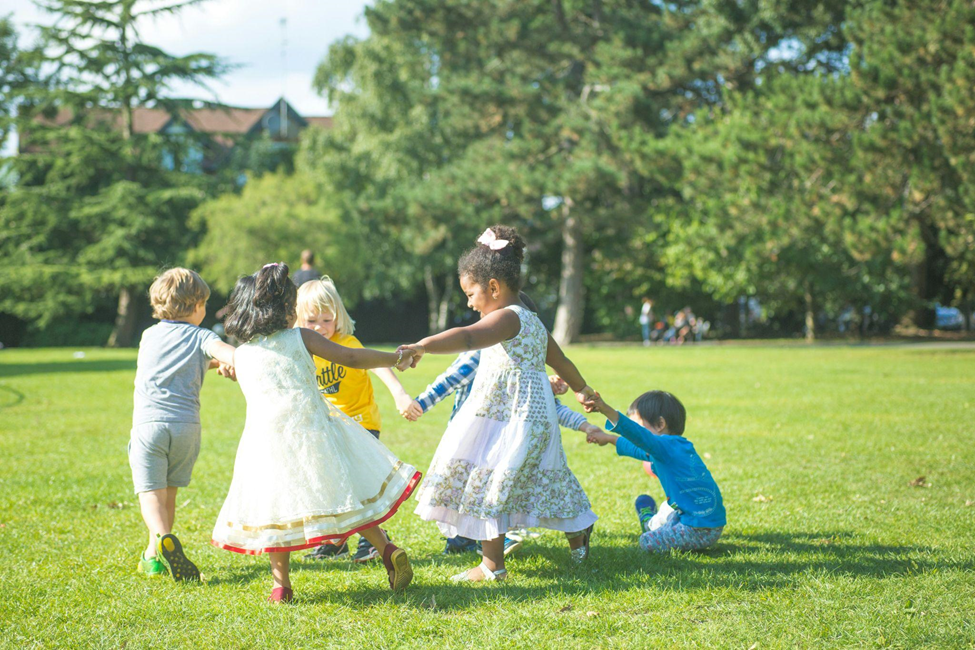
Photo by Jay Chen on Unsplash
Children frequently build friendships through common interests. A shared hobby creates an immediate reason to interact, collaborate, and spend time together.
These connections can be particularly valuable because they develop organically. Children are not being told to socialize. They are participating in something they already enjoy, and relationships emerge naturally as a result.
Shared activities also provide structure for social interactions. Conversations become easier. Cooperation develops more naturally. Children gain experience navigating both success and disappointment alongside others.
Many lasting friendships begin because two children discovered they enjoyed the same activity at the same time.
Games Can Support Communication Skills
Parents and educators increasingly recognize that games can serve purposes beyond entertainment. Certain activities create opportunities for children to practice communication, listening, and expression in ways that feel comfortable and engaging.
This idea is especially important in developmental settings where interaction and communication are central goals. Resources such as speech therapy games for kids demonstrate how play-based activities can encourage participation while supporting skill development. Instead of feeling like formal exercises, these experiences often feel like ordinary games, making children more willing to engage and practice.
When learning is integrated into enjoyable activities, participation tends to become much more consistent.
Confidence Grows Through Repeated Success
One reason children continue returning to certain activities is that they provide clear evidence of improvement.
A child learns a new strategy. Completes a challenging task. Builds something more successfully than before. Wins a game after previously struggling. These moments create a sense of accomplishment that encourages continued participation.
Importantly, confidence develops through progress rather than perfection. Children learn that improvement comes from effort, practice, and persistence. They begin viewing challenges as opportunities rather than obstacles.
This mindset often extends into other areas of life, influencing academic work, social interactions, and future hobbies.
The Best Activities Continue Providing Value
Parents sometimes worry when children become deeply interested in a particular activity. They wonder whether it is simply a phase or whether time could be spent elsewhere.
In many cases, the most enduring interests provide benefits that extend well beyond the activity itself. Strategic thinking, communication, creativity, patience, collaboration, and confidence all emerge through participation. The activity becomes valuable not only because children enjoy it but because of what they learn along the way.
That is why some childhood interests remain meaningful for years. They adapt as children grow, offering new challenges and opportunities at each stage. What begins as a simple pastime often becomes a foundation for skills, friendships, and experiences that continue shaping young people long after childhood has passed.
Other Articles You May Find of Interest...
- Lambskin for Babies: 7 Things Parents Should Know
- Can Nits Survive in Your Bedding?
- Getting a Newborn to Burp When Nothing Works
- Spring Trampoline Safety in 2026: Comparing Features Families Should Consider
- Newborn With Short Legs: Proportions in the First Year
- Breast Development by 15: What’s Typical, What’s Not
- Sermorelin Therapy for Kids: How Natural Growth Stimulation Works