More Women's Health & Beauty Articles
Is Aygestin Effective for Birth Control?
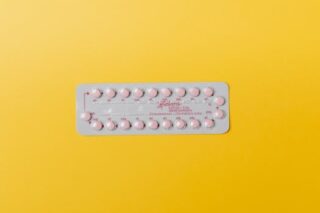
For many people exploring contraceptive options, the question arises: is Aygestin a birth control solution that can effectively prevent unintended pregnancy? Aygestin, known generically as norethindrone, is a medication that primarily serves other medical purposes such as managing endometriosis or abnormal uterine bleeding. While similar compounds are found in some contraceptive pills, Aygestin itself is not typically prescribed for birth control.
Aygestin’s Primary Uses
Aygestin is a progestin hormone medication commonly used to address health conditions like endometriosis, irregular menstrual periods, or severe menstrual pain. This hormone works by altering the lining of the uterus and hormonal interactions to manage these conditions. Though it contains some elements seen in birth control medications, its primary intent is not as a contraceptive.
Is Aygestin a Birth Control Option?
While Aygestin contains norethindrone, a hormone used in some contraceptive pills, its sole use as a birth control pill is not common. Birth control pills are usually a balanced combination of estrogen and progestin to effectively prevent ovulation. Aygestin’s formulations and dosages do not align with standard contraceptive methods, making it an uncommon choice for those seeking pregnancy prevention.
When to Seek Care
If you are considering Aygestin for birth control or are experiencing unsatisfactory results on your current contraceptive, it may be time to consult a healthcare provider. A gynecologist or a primary care doctor can provide guidance on the most suitable form of birth control for your needs. Additionally, if you experience any unexpected symptoms while on Aygestin, seeking professional advice is crucial.
Practical Considerations and Common Experiences
While Aygestin might not be the preferred choice for contraception, it’s essential to understand its impact on daily life if prescribed for other medical conditions. Those using Aygestin for menstrual regulation or endometriosis might experience side effects such as nausea, headache, or mood changes, similar to those on oral contraceptives. Discuss with your doctor if these symptoms become bothersome, as adjustments may be needed.
Questions to Ask Your Doctor
Before considering any medication, including Aygestin, it’s important to be informed. You might want to ask your healthcare provider about the following:
- Potential side effects and how they compare to other medication options.
- How Aygestin impacts menstrual cycles and fertility over time.
- If you need to stop other hormone-based medications when starting Aygestin.
- What to expect regarding the regulation of symptoms when beginning or ceasing use of Aygestin.
Ensuring you understand how Aygestin interacts with other medications and what it could mean for the management of your symptoms is crucial for effective treatment planning.
Takeaways
- Aygestin is primarily used for conditions like endometriosis, not as a primary birth control method.
- Consult a healthcare provider for personalized advice on contraceptive options.
- Be aware of Aygestin’s side effects which might mirror those of other hormonal treatments.
- Adjustments to dosage or medications should be guided by a medical professional.
- Understanding your symptoms and treatment goals can help tailor the best approach for you.
Common Questions
What should I do if I want a birth control solution?
If birth control is your primary concern, speak with your healthcare provider about options like combination birth control pills, IUDs, or injectable contraceptives that are specifically designed for pregnancy prevention.
How can hormonal medications affect everyday life?
Hormonal medications can alter menstrual cycles, cause mood changes, and affect physical well-being. It’s important to stay informed and consult regularly with a healthcare provider to manage any side effects.
Can Aygestin impact fertility?
While on Aygestin, ovulation might be affected, but fertility generally returns to normal after cessation. Consult with your doctor for timelines specific to your health profile.
When might changing medication be necessary?
If Aygestin is ineffective or causes uncomfortable side effects, a change in medication might be needed. Discuss alternatives and solutions with your healthcare provider to find the best match for your needs.
It’s crucial to have an ongoing conversation with your doctor about Aygestin, particularly if your needs change or if you have concerns about its efficacy or effects, including if you wonder is Aygestin a birth control that fits into your reproductive health strategy. For a deeper understanding of hormonal impacts on health, consider exploring more on reproductive health and treatment options, like the use of Metformin in PCOS. Further information regarding health can be found at Wikipedia’s Health page.
Other Articles You May Find of Interest...
- The Science Of Firmer, More Radiant Skin
- How Acupuncture Supports Women’s Health
- Women and Gorgeous Smiles
- The Forgotten Pillar Of Total Wellness
- Menopause at Work: Why Women’s Health Is Becoming a Workplace Issue
- Heavy Menstrual Bleeding: Common Causes, Warning Signs and When to See a Gynecologist
- Low Albumin During Pregnancy: Common Causes and When It Matters