More Women's Health & Beauty Articles
Can You Postpone Your Period Naturally?
By Your Health Magazine Health Information Team
There is no proven natural method that can reliably postpone a period. Foods, drinks, herbs, supplements, exercise, and stress-management techniques cannot predictably delay menstrual bleeding. Reliable period postponement generally requires hormonal medication selected with a healthcare professional. If you need to delay bleeding for travel, a competition, a wedding, or another event, plan ahead rather than relying on a home remedy.
Do Natural Period-Delay Remedies Work?
If you are wondering how to postpone menses naturally, you may encounter claims involving lemon juice, apple cider vinegar, gelatin, lentils, pineapple, raspberry leaf tea, or other foods and herbs. These remedies have not been shown to change reproductive hormone patterns reliably enough to postpone menstruation.
Some “natural” approaches can also cause harm. Drinking large quantities of acidic liquids may irritate the mouth, teeth, throat, or stomach. Herbs and supplements can cause side effects or interact with medicines, including hormonal contraceptives. Taking unusually large amounts of an over-the-counter pain reliever is not a safe or dependable way to stop a period. Cleveland Clinic’s review of ibuprofen and period delay notes that any effect is unpredictable and that attempting this without medical guidance is not recommended.
Severe calorie restriction, rapid weight loss, excessive exercise, and intense physical or emotional stress can make periods late or cause them to stop. That is not healthy menstrual control. It may be a sign that the body is not receiving enough energy or that an underlying health problem needs attention.
What Can Reliably Postpone a Period?
Hormonal methods can change when bleeding occurs by maintaining hormone levels that keep the uterine lining from shedding on its usual schedule. The appropriate method depends on whether you already use birth control, how soon your period is expected, whether you need contraception, and your medical history.
| Approach | Can it reliably delay bleeding? | Important considerations |
|---|---|---|
| Foods, teas, vinegar, or supplements | No reliable evidence | May cause side effects or medication interactions |
| Extreme exercise or restrictive eating | Unpredictable | Can disrupt hormones and affect bone and overall health |
| Continuous or extended hormonal birth control | Often, but not always | Requires the correct product and schedule; spotting may occur |
| Prescription progestin used specifically for menstrual delay | May delay bleeding | Not appropriate for everyone and does not necessarily provide contraception |
People taking certain combined birth control pills may be able to postpone withdrawal bleeding by continuing active hormonal pills instead of taking the hormone-free pills. Some vaginal rings and patches may also be used on an extended or continuous schedule. However, instructions vary among products, so do not assume that every pill pack, patch, or ring should be used in the same way. Mayo Clinic provides an overview of delaying periods with hormonal birth control.
Progestin-only pills can have different schedules and bleeding patterns from combined pills. If you use drospirenone-only Slynd, review what may happen to your cycle in this article about what to expect when you stop taking Slynd. Do not skip, add, stop, or rearrange prescription pills without checking with your prescriber or pharmacist.
Period Delay Is Not Guaranteed
Even with an appropriate hormonal method, complete suppression is not guaranteed. Breakthrough bleeding or spotting is especially common during the first few months of continuous or extended use. A method may reduce bleeding without eliminating it, and individual responses differ.
Delaying a withdrawal bleed while using hormonal contraception does not cause menstrual blood to accumulate inside the body. The lining generally remains thin because of the medication. However, postponing bleeding also does not guarantee contraceptive protection unless the particular medication is approved and used correctly for contraception.
Who Needs Medical Guidance Before Using Hormones?
Hormonal period-delay methods are not suitable for everyone. A clinician should review your blood pressure, medications, supplements, smoking status, pregnancy possibility, and personal and family medical history. This is particularly important if you have migraines with aura, uncontrolled high blood pressure, a history of blood clots or stroke, certain liver conditions, breast cancer, unexplained vaginal bleeding, or significant cardiovascular risk factors.
The CDC’s medical eligibility guidance for contraceptive methods explains why the safety of estrogen-containing and progestin-only methods depends on a person’s health conditions. Tell your clinician about every prescription medicine, over-the-counter drug, and supplement you take because some products can alter contraceptive effectiveness or increase side effects.
How to Plan Ahead
- Track your cycle. Record the first day of bleeding for several months so you have a better estimate of when your next period may begin.
- Contact a professional early. Speak with an OB-GYN, primary care clinician, family-planning provider, or pharmacist well before the date you hope to avoid bleeding.
- Explain both goals. Tell the professional whether you want period delay, pregnancy prevention, or both.
- Review the exact product. Bring the name or packaging of any pill, patch, ring, supplement, or other medication you use.
- Prepare for spotting. Carry period products because no method guarantees completely bleed-free days.
When a Period Is Late Without Trying
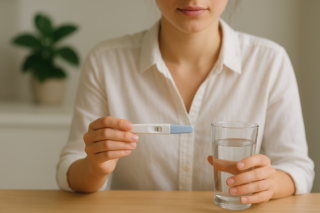
An unexpectedly late period is different from intentionally postponing one. Pregnancy is a common cause, so consider an appropriately timed home pregnancy test if pregnancy is possible. Other causes include stress, weight changes, intensive exercise, polycystic ovary syndrome, thyroid disorders, certain medications, breastfeeding, and the transition toward menopause.
Perimenopause can make cycles shorter, longer, heavier, lighter, or less predictable. Menopause is generally reached after 12 consecutive months without a period, as explained in the MedlinePlus menopause overview. Do not assume a missed period is menopause if pregnancy is possible or if you have other concerning symptoms.
When to Seek Care
Arrange an appointment with an OB-GYN or primary care clinician if periods repeatedly disappear or become unusually irregular, if you have bleeding between periods or after sex, or if bleeding is heavy, painful, or lasts longer than usual. Evaluation is also appropriate if menstrual changes occur with pelvic pain, significant weight change, nipple discharge, new facial hair, severe headaches, vision changes, hot flashes before age 40, or possible pregnancy.
Seek urgent medical care for severe pelvic or abdominal pain, fainting, difficulty breathing, chest pain, coughing up blood, sudden weakness, or a severe new headache—particularly if you are pregnant or use hormonal medication. This article provides general education and is not a substitute for individualized medical care.
Other Articles You May Find of Interest...
- Impact of Mental Health on Pregnancy, Childbirth and Early Motherhood
- Can You Postpone Your Period Naturally?
- Gynecological Surgeons: What They Treat and How to Choose One
- Ovarian Follicle vs. Cyst: What’s the Difference?
- Can You Get Your Period While Pregnant?
- Period 3 Days Late: Possible Reasons and When to Test
- How to Compare Treatment Options for Heavy Menstrual Bleeding