Your Health Magazine Contributor
4201 Northview Drive
Suite 102
Bowie, MD 20716
More Pain Management & Rehabilitation Articles
Massage and Pain Management: What Men Should Know Before Booking
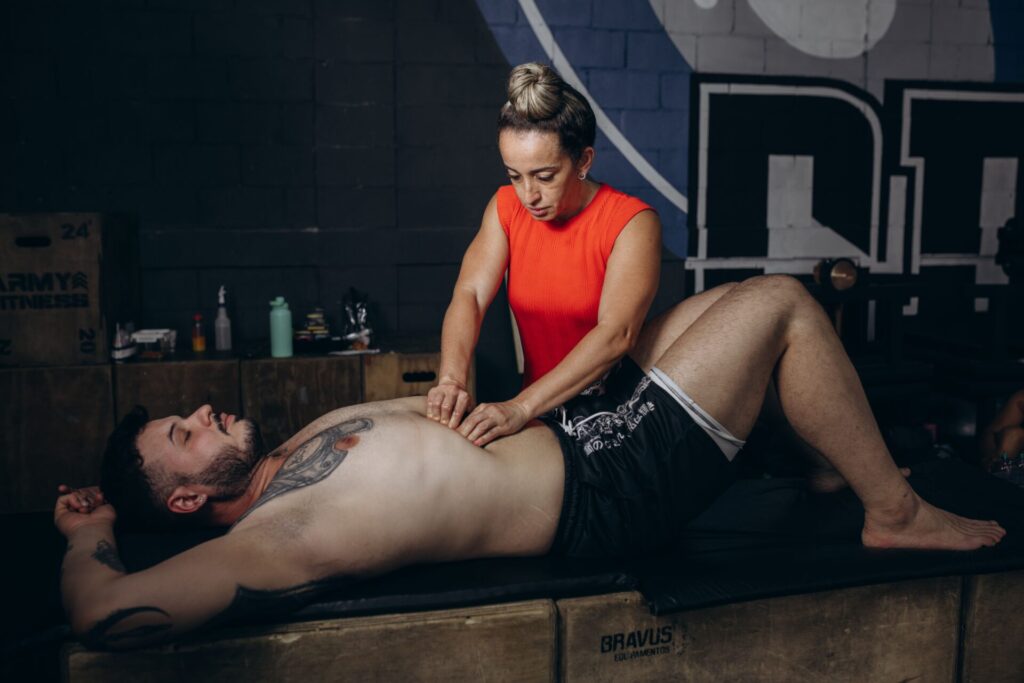
Back pain, stiff necks and aching shoulders are among the most common complaints men carry around, often for years. Many put up with it, reach for painkillers or simply hope it eases on its own. Increasingly, though, men are adding massage to the way they manage everyday aches, and for good reason. Used sensibly, it can be a genuinely helpful part of looking after a body that works hard.
Like any approach to pain, massage works best when expectations are realistic. It is not a cure-all, and it does not replace medical assessment when something is seriously wrong. Understanding what it can and cannot do helps men use it well, alongside the other habits that keep pain under control.
Where Massage Can Help
Research suggests massage can offer short-term relief for some people with common muscular complaints, such as non-specific low back pain and neck pain. It eases muscle tension, encourages relaxation and can make movement feel more comfortable. Many men book a therapeutic massage near me after a heavy training block, a demanding week at work or when an old niggle flares up. Paired with movement and good habits, it can make a real difference to day-to-day comfort.
There is also a mental side. Pain and stress feed each other, and a session that helps the body relax often eases the stress that makes pain feel worse. For men who rarely take time to switch off, that break can be as valuable as the hands-on work itself.
What Massage Cannot Do
Massage is not a substitute for diagnosis. Pain that is severe, sudden or getting steadily worse needs proper medical attention, as does pain that comes with numbness, weakness, fever, unexplained weight loss or changes in bladder or bowel control. These can be signs of something that needs urgent assessment.
It is also not a standalone fix for long-term problems. Chronic pain usually responds best to a combination of approaches, including staying active, building strength and, where appropriate, support from a doctor, physiotherapist or pain specialist. Massage can be one useful tool among several.
Making Massage Work for You
Be Clear About Your Goals
Tell your therapist what you want help with, whether that is stiffness, recovery or relaxation, so they can tailor the session.
Share Your Health History
Mention injuries, medical conditions and medications. A good therapist will adapt their approach or advise you to check with a doctor.
Keep Moving Afterwards
Gentle movement and stretching in the days after a session help maintain the benefits and keep muscles from tightening up again.
Choosing the Right Type of Massage
Different styles suit different needs. Sports and deep tissue massage focus on muscle tension and recovery, while gentler styles prioritise relaxation. Neither is automatically better. The right choice depends on what you want to achieve and how your body responds to pressure.
More pressure is not always more effective. Deep work can leave muscles sore for a day or two, and pressure that is genuinely painful rarely helps. A good therapist will check in, adjust as needed and explain what they are doing.
The Habits That Support It
The benefits of massage last longer when they are backed up by everyday habits. Regular movement, sensible breaks from sitting, strength training for the back and core, decent sleep and managing stress all help keep pain at bay between sessions.
In many cases, massage helps most by making it easier to stay active. When muscles feel less tight, men are more likely to keep walking, training and moving, which is one of the most effective long-term strategies for managing common aches and pains.
Why Men Often Wait Too Long
Many men delay doing anything about pain until it starts affecting work, sleep or sport. By then, a problem that might have eased with early attention can be harder to shift. Dealing with tension and stiffness sooner tends to be simpler and quicker.
There is no prize for putting up with discomfort. Treating pain management as routine maintenance, rather than a last resort, helps men stay comfortable, active and productive for longer.
A Sensible Part of Looking After Yourself
Massage is not a miracle cure, but it can be a valuable part of a sensible approach to pain. Combined with movement, strength work, good sleep and medical advice where needed, it helps many men manage everyday aches and feel better in their bodies.
The key is to use it thoughtfully: know what you want from it, choose a qualified therapist, be honest about your health and keep up the habits that support it. Done that way, it earns its place in the routine.
Getting More From Each Session
A little preparation helps. Arriving a few minutes early, wearing comfortable clothing and drinking some water beforehand make it easier to relax once the session starts. Afterwards, a short walk or gentle stretch helps the body settle rather than stiffening up on the drive home.
It is also worth keeping a simple note of how you feel in the days after each session. Tracking which areas improve, which styles suit you and how long the benefits last makes it easier to plan future sessions and get better value from each one.
Frequently Asked Questions (FAQs)
1. Does Massage Help With Back Pain?
Research suggests it can provide short-term relief for some people with common, non-specific back pain, particularly when combined with staying active and other self-care.
2. When Should I See a Doctor Instead?
Seek medical advice for severe, sudden or worsening pain, or pain with numbness, weakness, fever, unexplained weight loss or bladder or bowel changes.
3. Is Deep Tissue Massage Better for Pain?
Not necessarily. The right pressure depends on your needs and comfort. Painful pressure rarely helps, and gentler styles can be just as useful.
4. How Often Should I Have a Massage?
It varies. Some men book regularly as maintenance, others use it around demanding periods. Consistency usually matters more than frequency.
5. Can Massage Replace Painkillers?
It can be part of how you manage pain, but do not stop prescribed medication without advice. Speak to your doctor or pharmacist about the best overall approach.
Other Articles You May Find of Interest...
- Massage and Pain Management: What Men Should Know Before Booking
- Bone Specialist in Singapore: What to Prepare Before Your First Appointment
- Lower Right Back Cramps: Causes and Relief
- 5 Ways to Prepare for a Spine Consultation
- Knee Joint Discomfort: Causes and Relief
- Radius and Ulna Fractures at the Wrist: Treatment and Recovery
- Signs Your Knee Cartilage May Be Damaged