More Child Health and Safety Articles
Can Teething Cause Diarrhea in Babies? Understanding the Connection
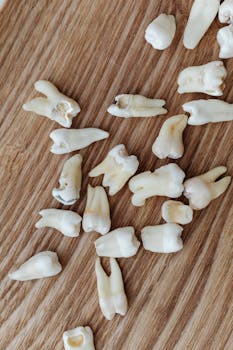
Many parents find themselves asking the common question: can teething cause diarrhea in babies? Understanding the connection between teething and various physical symptoms can help caregivers manage their child’s health more effectively. While parents often notice symptoms like irritability, drooling, and biting, some have also observed changes in bowel movements during the teething phase.
Can Teething Cause Diarrhea?
Teething is a natural part of a baby’s development but determining whether it can directly cause diarrhea is not straightforward. Most pediatricians agree that while teething can be uncomfortable for babies, it does not directly cause diarrhea. However, there are several indirect factors associated with teething that could result in mild digestive changes.
Why Some Parents Believe Teething and Diarrhea Are Linked
Parents often notice changes in their baby’s bowel movements during teething and may conclude that these are linked. Several factors contribute to this belief:
- Increased saliva production, which occurs during teething, may lead to looser stools.
- The tendency for babies to chew on various objects can introduce new germs to their systems, potentially affecting digestion.
- Digestive changes could coincide with the introduction of solid foods around the same age.
What Other Symptoms Are Common During Teething?
Teething can result in a variety of symptoms, although they vary from one baby to another. Common signs include excessive drooling, gum swelling, mild fussiness, and the urge to bite objects. Some infants may also experience a slight rise in body temperature but not high enough to be classified as a fever.
Addressing Concerns about Baby’s Diarrhea
If your baby experiences diarrhea, it’s essential to monitor the frequency and severity of symptoms. It’s important to differentiate between typical teething symptoms and possible signs of illness. Diarrhea accompanied by a high fever, vomiting, or signs of dehydration warrants contacting a healthcare provider as these could indicate a viral or bacterial infection. For more on recognizing symptoms of illness, you can read about identifying signs of gastroenterological issues.
Steps to Soothe a Teething Baby
While teething may not be the cause of diarrhea, ensuring your little one is comfortable during this time is vital. Here are some tips:
- Provide teething rings or cold washcloths for chewing.
- Offer chilled (not frozen) food items like yogurt or applesauce for gentle gum relief.
- Ensure adequate hydration, particularly if diarrhea is present.
- Maintain good hygiene to avoid infections from the extensive mouthing of objects.
When to Seek Medical Advice
While mild diarrhea during teething isn’t uncommon, consult a pediatrician if symptoms persist or worsen. A healthcare professional can provide guidance, especially if your baby shows additional symptoms like a rash, severe diaper rash, or weight loss.
Scientific Standpoint on Teething and Digestive Issues
Research on the direct correlation between teething and diarrhea remains inconclusive. Many studies indicate that while there’s anecdotal evidence, no scientific basis directly links the two. The external factors around teething often contribute to digestive changes, further complicating the situation. For a detailed exploration of teething and its impacts, you may refer to the Wikipedia health article.
Takeaways
- There is no direct scientific link between teething and diarrhea.
- Increased saliva and mouthing objects might lead to digestive changes.
- Monitoring and hygiene are crucial during teething phases.
- Consult a pediatrician for persistent symptoms or additional health concerns.
- Comfort measures can alleviate some teething discomfort.
Frequently Asked Questions
Does teething cause diarrhea in all babies?
No, not all babies will experience diarrhea when teething. Symptoms vary greatly among infants.
Could teething cause diarrhea in combination with other factors?
Yes, other factors like the introduction of solid foods or mild infections could coincide with teething and contribute to diarrhea.
Does teething give you diarrhea, or is it coincidence?
It is often coincidental, as there are no conclusive studies correlating teething directly with diarrhea.
Does teething cause diarrhoea or just looser stools?
Parents might notice slightly looser stools due to increased saliva, but it doesn’t typically result in diarrhea as medically defined.
Should I be concerned if my baby has diarrhea while teething?
If diarrhea is mild and not accompanied by other worrying symptoms, it might be a temporary phase. However, consult a doctor if it persists or is severe.
Ultimately, while many myths surround teething, it’s vital to separate fact from fiction and understand that, even if teething doesn’t directly cause diarrhea, it can still play a role in a baby’s overall health picture.
Other Articles You May Find of Interest...
- Does Red 40 Cause Autism? What the Evidence Actually Shows
- Sports Physicals in 2026: What They Check, Why They Matter, and How to Know Yours Was Done Right
- Can Milk Cause Diaper Rash?
- How to Collaborate Effectively with Your Child’s Educational and Therapy Team for Autism
- 6 Vitamins for Picky Eaters to Consider in 2026
- Metabolic Disorders in Children: Symptoms, Testing, and Care
- Lambskin for Babies: 7 Things Parents Should Know