Your Health Magazine Contributor
4201 Northview Drive
Suite 102
Bowie, MD 20716
More Pain Management & Rehabilitation Articles
Common Causes of Chronic Pelvic Pain and When to Seek Medical Attention
Pelvic pain is a common health concern that can affect daily activities, sleep, work, and overall well-being. While occasional discomfort may be associated with menstruation or temporary digestive problems, pain that continues for months should not be overlooked.
Chronic pelvic pain generally refers to discomfort in the lower abdomen or pelvic region that lasts six months or longer. The pain may be constant or intermittent, ranging from a dull ache to sharp, uncomfortable sensations.
Identifying the cause can be challenging because several organs, muscles, nerves, and blood vessels occupy the pelvic region. Conditions involving the reproductive system, digestive tract, urinary system, or pelvic veins can produce similar symptoms.
Understanding the possible causes and recognizing when medical attention is necessary can help individuals receive appropriate treatment before symptoms significantly affect their quality of life.
What Is Chronic Pelvic Pain?
Chronic pelvic pain is persistent or recurring discomfort in the area below the abdomen and between the hips. Although it commonly affects women, people of any sex can experience pelvic pain.
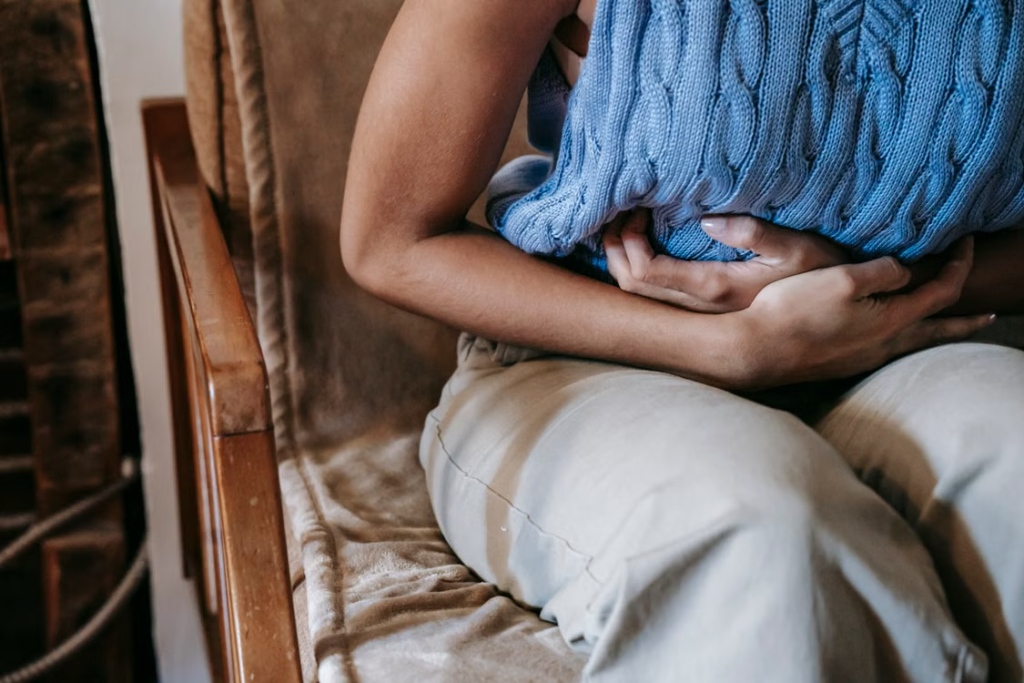
Symptoms vary depending on the underlying condition. Some individuals experience constant pressure or aching, while others develop pain during specific activities.
Common symptoms include:
- Persistent aching or pressure in the lower abdomen
- Pain during or after sexual intercourse
- Discomfort during urination or bowel movements
- Lower back pain extending into the pelvis
- Pain that worsens during menstruation
- Pelvic heaviness after prolonged standing
The severity of the pain does not always indicate how serious the underlying condition may be.
Some people experience significant discomfort despite normal initial test results, while others have identifiable medical conditions that produce relatively mild symptoms.
A thorough medical evaluation is often needed to determine the source.
1. Endometriosis
Endometriosis is a common cause of chronic pelvic pain, particularly among women of reproductive age.
The condition occurs when tissue similar to the lining of the uterus grows outside the uterus. These growths can trigger inflammation, irritation, and scar tissue formation.
Symptoms may include painful menstrual periods, discomfort during sexual intercourse, and pain during bowel movements.
Some individuals also experience difficulty becoming pregnant.
Endometriosis symptoms can overlap with other pelvic conditions, making diagnosis difficult without further investigation.
Treatment may involve hormonal medications, pain management, or surgery, depending on symptom severity and reproductive goals.
Persistent menstrual pain that interferes with everyday activities should be discussed with a healthcare professional rather than automatically dismissed as normal.
2. Pelvic Venous Congestion
Problems involving blood circulation in the pelvic region can also contribute to long-lasting pain.
Pelvic venous congestion occurs when certain veins become enlarged and allow blood to flow backward or accumulate within the pelvis. This can increase pressure in the affected veins and contribute to persistent discomfort.
Women with pelvic venous disorders may experience a dull, heavy sensation in the lower abdomen. Symptoms sometimes become more noticeable after prolonged standing, during or after sexual intercourse, or toward the end of the day.
However, enlarged pelvic veins do not always cause symptoms, and their presence alone does not establish a diagnosis.
When vascular problems are suspected, healthcare professionals may recommend specialized imaging to examine blood flow.
For patients diagnosed with symptomatic pelvic venous disease, minimally invasive pelvic vein treatment may be considered. Options such as pelvic vein embolization aim to block abnormal blood flow through affected veins and redirect circulation through healthier pathways.
Treatment decisions depend on the patient’s symptoms, imaging findings, overall health, and the specific veins involved.
Recognizing pelvic venous disorders as a possible cause is important, particularly when persistent pain remains unexplained after routine gynecological examinations.
3. Uterine Fibroids
Uterine fibroids are noncancerous growths that develop within or around the uterus.
Although many fibroids cause no symptoms, larger growths or those in certain locations can produce pelvic pressure, heavy menstrual bleeding, and lower abdominal discomfort.
Some women also experience frequent urination because fibroids can press against the bladder.
Symptoms depend on the number, size, and position of the growths.
Ultrasound examinations are commonly used to identify fibroids and assess whether they may be contributing to discomfort.
Treatment options range from monitoring and medication to minimally invasive procedures or surgery.
Not every fibroid requires treatment, especially when it causes no symptoms or complications.
4. Pelvic Inflammatory Disease
Pelvic inflammatory disease (PID) is an infection involving the female reproductive organs, including the uterus, fallopian tubes, and ovaries.
It often develops when bacteria spread upward from the vagina or cervix. Certain sexually transmitted infections, including chlamydia and gonorrhea, are common causes.
Symptoms may include lower abdominal pain, unusual vaginal discharge, fever, painful intercourse, and abnormal bleeding.
Some infections produce mild symptoms, allowing inflammation to continue without immediate recognition.
Untreated PID can lead to complications such as fertility problems, ectopic pregnancy, and chronic pelvic pain.
Prompt medical evaluation and appropriate antibiotic treatment can reduce the likelihood of serious complications.
5. Bladder and Urinary Tract Conditions
The urinary system is another potential source of persistent pelvic discomfort.
Interstitial cystitis, also called bladder pain syndrome, is associated with recurring bladder pain, urinary urgency, and frequent urination.
Some individuals notice that discomfort becomes worse as the bladder fills and improves temporarily after urination.
Recurring urinary tract infections can produce similar symptoms, although they require different treatment approaches.
Because bladder conditions can resemble gynecological disorders, clinicians may recommend urine testing and additional investigations.
Identifying the correct cause helps prevent unnecessary antibiotic use and ensures treatment targets the underlying problem.
6. Digestive Disorders
Digestive conditions can cause pelvic discomfort because the intestines occupy part of the lower abdominal region.
Irritable bowel syndrome (IBS), for example, may cause recurring abdominal pain, bloating, constipation, and diarrhea.
Symptoms often change with bowel movements or certain foods.
Other conditions, including inflammatory bowel disease and diverticular disorders, can also contribute to lower abdominal pain.
When discomfort is accompanied by persistent bowel changes, unexplained weight loss, or blood in the stool, further medical evaluation is important.
Digestive and gynecological disorders can sometimes occur together, making a comprehensive assessment necessary.
7. Pelvic Floor Muscle Dysfunction
The pelvic floor consists of muscles that support the bladder, uterus, rectum, and other pelvic structures.
When these muscles become excessively tight, weak, or poorly coordinated, they can contribute to ongoing pain.
Symptoms may include pelvic pressure, painful intercourse, urinary difficulties, and discomfort during bowel movements.
Muscle-related pelvic pain can develop after childbirth, surgery, injury, or prolonged muscle tension.
A healthcare professional may recommend pelvic floor physical therapy to improve muscle coordination and reduce discomfort.
Treatment should be individualized because exercises that strengthen weak muscles may not be appropriate for muscles that are already excessively tense.
When Should You Seek Medical Attention?
Persistent pelvic pain should be evaluated even when symptoms are manageable.
According to the American College of Obstetricians and Gynecologists’ guidance on chronic pelvic pain, the condition can involve multiple underlying causes, and treatment may require several approaches.
Schedule a medical appointment if pelvic pain:
- Continues or repeatedly returns
- Interferes with work, sleep, or everyday activities
- Becomes worse during menstruation or intercourse
- Occurs alongside urinary or digestive changes
- Is associated with unusual bleeding or discharge
- Remains unexplained despite previous treatment
Certain symptoms require more urgent attention.
Seek emergency medical care for sudden or severe pelvic pain, fainting, significant dizziness, heavy vaginal bleeding, or pain accompanied by shoulder-tip pain. These symptoms may indicate a serious condition, including internal bleeding or an ectopic pregnancy.
Pelvic pain during a possible or confirmed pregnancy also requires prompt medical assessment.
Fever, vomiting, worsening pain, or difficulty urinating should not be ignored.
How Doctors Diagnose Chronic Pelvic Pain
Diagnosing chronic pelvic pain usually begins with a review of symptoms and medical history.
A healthcare professional may ask when the discomfort started, whether it changes during menstruation, and which activities make it worse.
Depending on the symptoms, evaluation may include a physical examination, pelvic ultrasound, urine testing, blood tests, or other imaging studies.
When pelvic venous disease is suspected, Doppler ultrasound, magnetic resonance imaging, or specialized vascular studies may help assess the veins.
In some cases, patients may need evaluation by more than one specialist.
Because chronic pelvic pain can have several contributing causes, finding an effective treatment plan sometimes requires a combination of approaches.
Managing Chronic Pelvic Pain
Treatment depends on the underlying diagnosis rather than the location of the pain alone.
Medication may be appropriate for inflammatory conditions, infections, or certain reproductive disorders. Physical therapy may help when pelvic floor muscles contribute to symptoms.
Other patients may benefit from hormonal treatment, dietary adjustments, or procedures targeting a specific medical condition.
Keeping a symptom diary can also help clinicians identify patterns involving menstruation, physical activity, bowel movements, or prolonged standing.
Patients should discuss persistent symptoms with a healthcare professional instead of relying entirely on over-the-counter pain relief.
Conclusion
Chronic pelvic pain can develop from several conditions, including endometriosis, uterine fibroids, pelvic venous disorders, infections, digestive problems, and pelvic floor dysfunction.
Because these conditions often produce overlapping symptoms, determining the cause requires careful evaluation rather than assumptions based on pain location alone.
Persistent discomfort should not be accepted as an unavoidable part of daily life. Recognizing unusual symptoms, seeking appropriate medical advice, and exploring evidence-based treatment options can help individuals manage pain and improve their quality of life.
Early evaluation is particularly important when symptoms worsen, interfere with everyday activities, or occur alongside warning signs that may indicate a more serious medical condition.
Other Articles You May Find of Interest...
- Thinking About Knee Surgery? What to Know First
- Common Causes of Chronic Pelvic Pain and When to Seek Medical Attention
- Massage and Pain Management: What Men Should Know Before Booking
- Bone Specialist in Singapore: What to Prepare Before Your First Appointment
- Lower Right Back Cramps: Causes and Relief
- 5 Ways to Prepare for a Spine Consultation
- Knee Joint Discomfort: Causes and Relief