Your Health Magazine Contributor
4201 Northview Drive
Suite 102
Bowie, MD 20716
More Healthy Aging Articles
Considering Peptide Therapy? What to Know Before Your First Consultation
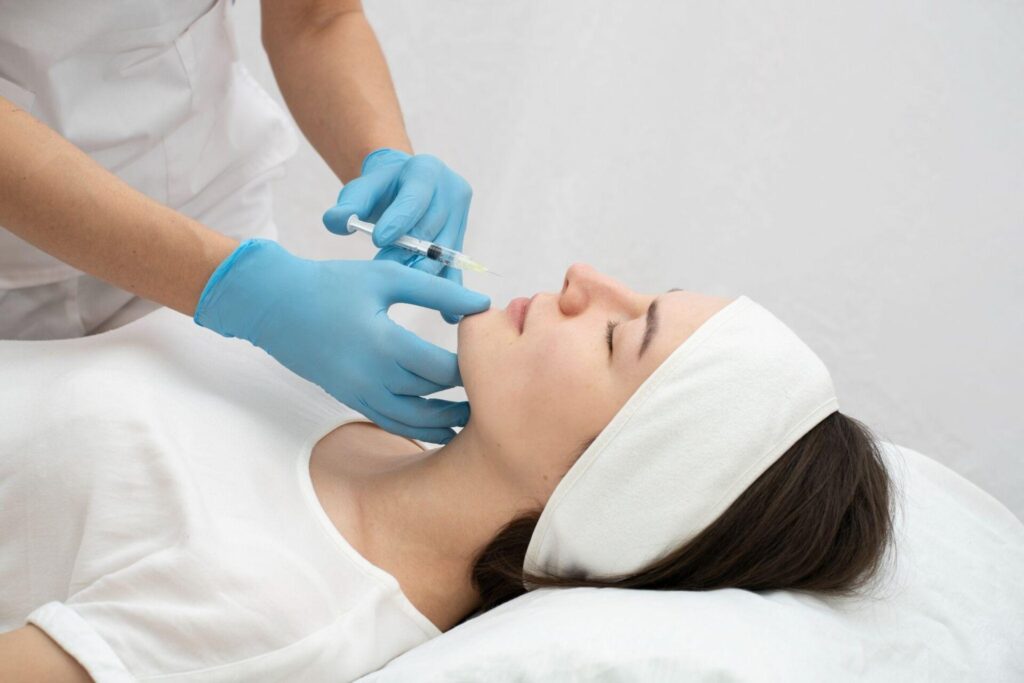
Exploring treatments for healthy aging can bring unfamiliar medical terms and ambitious promises. For readers researching peptide therapy in Phuket, Phuket Longevity Center describes personalized programs based on individual health status and goals. Before considering any treatment, however, it is important to understand exactly what is being offered, what evidence supports it, and how potential risks will be addressed.
A useful starting point is to recognize that “peptide therapy” is a broad term. It does not describe one standardized treatment with the same benefits and safety profile for everyone. The specific substance, reason for treatment, formulation, and method of administration all matter.
Understand the Specific Treatment
Peptides are short chains of amino acids, the building blocks of proteins. Some function as signaling molecules in the body. However, a substance’s biological role does not, by itself, establish that administering it will improve health or slow aging.
When discussing a proposed treatment, ask for its exact name and intended purpose. A clear explanation should distinguish between established medical uses and applications that remain experimental or have limited human evidence.
Research involving cells or animals can help scientists investigate a substance, but it cannot establish the same benefits in people. Likewise, evidence for one peptide should not be treated as proof that another peptide or a combination of substances will produce similar results.
Start With a Health Assessment
Before discussing a treatment plan, explain what prompted your interest. Is it persistent tiredness, a change in exercise performance, difficulty sleeping, or a general concern about aging?
These concerns deserve assessment rather than an assumption that a particular treatment is the answer. Bring a list of prescription medicines, over-the-counter products, supplements, allergies, and relevant medical conditions to your appointment. Include previous treatments and any reactions you experienced.
Ask the clinician whether further evaluation is appropriate and what alternatives are available. A consultation should help clarify the problem, including whether treatment is needed at all.
Ask What “Personalized” Means
Phuket Longevity Center presents its peptide service as an individualized approach. For a patient, the practical question is how that approach translates into clinical decisions.
Ask what findings would support recommending a treatment, what would make you unsuitable, and how the clinician would choose between alternatives. If testing is suggested, request an explanation of what each test measures and how the result could change your care.
Personalization should also include realistic expectations. Agree on the specific outcome being assessed, the follow-up schedule, and the circumstances in which treatment would be stopped. A general promise to “optimize wellness” is harder to evaluate than a clearly defined clinical goal.
Discuss Product Quality and Regulatory Status
Ask whether the exact product is authorized for the proposed use in the country where treatment will take place. Approval for one medical indication does not automatically establish effectiveness for another purpose.
If a compounded preparation is proposed, ask why it is being recommended, who prepares it, and what quality controls apply. Compounding involves preparing a medication for particular patient needs; it should not be confused with regulatory approval.
For U.S. readers, the Food and Drug Administration explains that compounded drugs are not FDA-approved, meaning the agency does not review their safety, effectiveness, or quality before marketing. That U.S. distinction does not establish a product’s legal status in Thailand, which should be discussed separately with the treating clinician.
Make Follow-Up Part of Your Travel Plans
When considering medical care abroad, the arrangements after an appointment matter as much as the appointment itself.
Before agreeing to treatment, ask how follow-up will work after you leave Phuket. Clarify who you should contact with concerns, which symptoms require urgent medical attention, and whether you will receive a written treatment summary for your regular healthcare provider.
If a plan involves ongoing medication, discuss storage, travel documentation, and destination-country requirements before making arrangements. Your travel schedule should allow time for appropriate assessment and follow-up rather than determine the pace of clinical decisions.
Leave the Consultation With Clear Answers
Before deciding, you should understand:
- The exact substance and purpose of the proposed treatment.
- The quality and limits of the supporting evidence.
- Potential side effects, uncertainties, and alternatives.
- The full cost, including testing and follow-up.
- How progress will be assessed and when treatment will stop.
There is room to take time, seek another opinion, or decide against treatment. For anyone exploring peptide therapy, a productive consultation provides enough clear information to make an informed choice without relying on promises of rejuvenation or guaranteed results.
Other Articles You May Find of Interest...
- The Science of Healthy Aging: Where Nutraceuticals Fit In
- Considering Peptide Therapy? What to Know Before Your First Consultation
- Can We Actually Reverse Aging?
- How to Maintain Healthy Movement as You Age
- What Actually Predicts How Long You’ll Live
- What’s at the End of Your Fork?
- Why Your Reaction Time Matters More Than You Think, Especially as You Age