






Your Health Magazine Contributor
4201 Northview Drive
Suite 102
Bowie, MD 20716
More Healthy Aging Articles
How to Maintain Healthy Movement as You Age
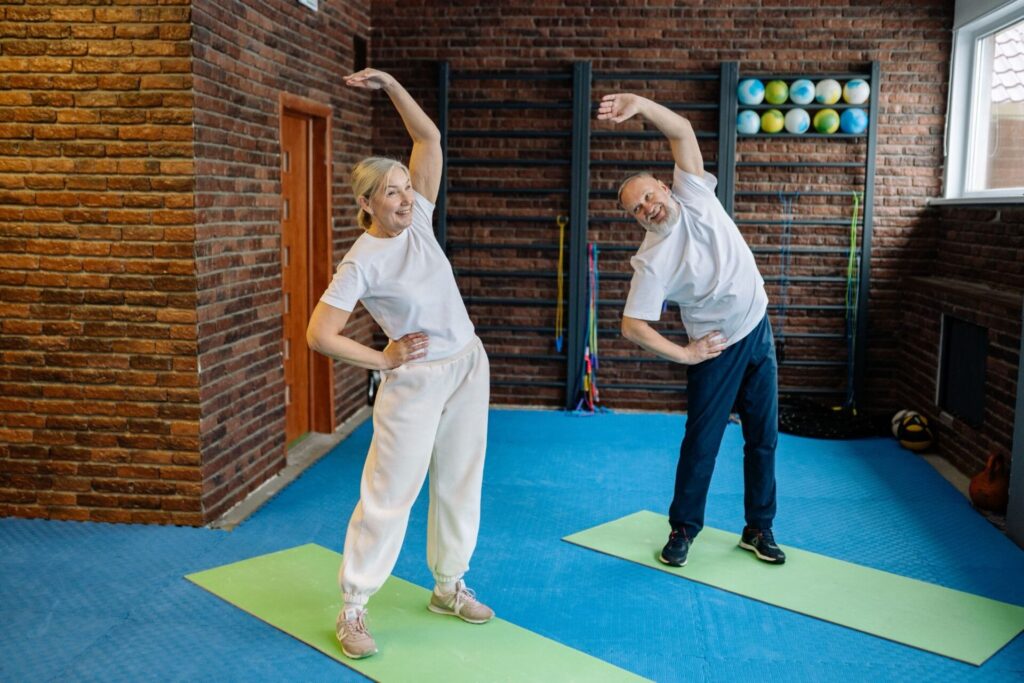
Movement changes with age. Muscle mass can decline, joints may become stiffer, and balance reactions can slow. These shifts are gradual, and targeted habits can slow some age-related changes while improving strength, balance, mobility, and physical function.
This article covers the physical factors behind mobility loss and the steps that protect it.
Why Mobility Declines
Sarcopenia is the age-related loss of muscle mass and strength. It often starts in midlife. Fast-twitch fibres shrink first. These fibres produce power, which you need to recover from a stumble.
Cartilage also changes. It holds less water and tolerates load less well. Tendons and ligaments lose elasticity. Bone density falls, especially in women after menopause.
Nerve conduction slows too. Reaction time lengthens. Proprioception, your sense of joint position, becomes less precise. Together, these changes raise fall risk.
Build Strength Twice a Week
Resistance training is the strongest tool against sarcopenia. It stimulates muscle protein synthesis and loads bone.
Cover the main movement patterns:
- Squat or sit-to-stand for hips and thighs
- Hip hinge for glutes and hamstrings
- Push and pull for chest, shoulders, and back
- Carry for grip and trunk stability
Train on at least two non-consecutive days. Pick a load that makes the last few repetitions hard. Increase resistance slowly. Leave 48 hours before training the same muscle group again.
Bodyweight, resistance bands, and machines all work. Technique matters more than load at the start.
Get Help When Joint Pain Persists

Photo by Yan Krukau from Pexels: https://www.pexels.com/photo/a-woman-sitting-on-the-bed-in-crossed-arms-5793897/
Pain often makes people stop moving. That increases stiffness and weakens the muscles that support the joint. A clinical assessment separates normal soreness from a problem that needs treatment.
Hands-on care can help. Many people look into osteopathy in Liverpool when stiffness in the hips, spine, or shoulders limits daily tasks. An osteopath assesses joint range, muscle tension, and movement patterns. They then combine manual therapy with exercise advice.
See a clinician if you notice sharp pain, night pain, numbness, or a sudden loss of range.
Train Balance on Purpose
Balance is a skill. It fades without practice. Good programmes challenge three things:
- A smaller base of support, such as tandem stance
- Weight shifts, such as heel-to-toe walking
- Reduced sensory input, such as standing with eyes closed
Practise for 10 minutes, three times a week. Keep a stable surface within reach. Progress by adding head turns, or by moving to a softer surface.
Tai chi has solid evidence for reducing falls. It combines weight transfer, slow control, and attention. Strong legs and a strong trunk also improve balance. Strength work and balance work support each other.
Protect Joint Range
Joints need full movement to stay healthy. Cartilage has no direct blood supply. It depends on movement to draw in nutrients from synovial fluid.
Spend five to ten minutes daily on mobility. Cover the ankles, hips, thoracic spine, and shoulders. Calf stretches, hip flexor stretches, and trunk rotations are good starting points. Hold static stretches for about 30 seconds. Stretch warm muscles. Never push into sharp pain.
Reaching overhead and squatting to the floor are useful tests. If you lose either, address it early.
Meet Aerobic Targets
Aerobic work supports the heart, brain, and muscle blood supply. The CDC states that adults 65 and older need at least 150 minutes of moderate activity weekly. They also need muscle strengthening on two days and regular balance work. You can see the full breakdown on the guide to physical activity for older adults.
Moderate intensity means you can talk but not sing. Brisk walking, cycling, and swimming all qualify. Cycling and swimming reduce joint load. You can split sessions into 10-minute blocks.
Support Muscle Through Nutrition and Sleep
Older muscle responds less to protein. This is called anabolic resistance. Spread protein across all meals instead of loading it at dinner.
Research groups often suggest 1.0 to 1.2 grams per kilogram of body weight daily for healthy older adults. Needs differ with kidney function and medical conditions. Ask your GP or a dietitian.
Vitamin D and calcium support bone health. Have your levels checked before supplementing. Aim for seven to nine hours of sleep. Most tissue repair happens during deep sleep.
Break Up Sitting Time
Long sitting reduces muscle activation and tightens the hip flexors. It also lowers daily energy use.
Stand and move every 30 minutes. Do a set of sit-to-stands during TV ad breaks. Walk while on phone calls. Small breaks add up across a week.
Put It Together
A simple weekly structure works well. Do strength training on two days. Walk briskly on most other days. Add short balance and mobility sessions daily. Review your progress every month. Track the number of sit-to-stands in 30 seconds, walking speed, and single-leg stance time.
Start with what you can do safely. Increase load, time, or difficulty gradually. Consistency over years matters more than intensity in any single week.
Other Articles You May Find of Interest...
- How to Maintain Healthy Movement as You Age
- What Actually Predicts How Long You’ll Live
- What’s at the End of Your Fork?
- Why Your Reaction Time Matters More Than You Think, Especially as You Age
- Chess and the Aging Brain: What We Know, and What We Hope
- How to Build a Realistic and Sustainable Anti-Aging Routine
- Dr. Michele Sherwood Explains Exogenous Ketones: What They Can and Can’t Do





