Your Health Magazine Contributor
4201 Northview Drive
Suite 102
Bowie, MD 20716
More Pain Management & Rehabilitation Articles
5 Ways to Prepare for a Spine Consultation
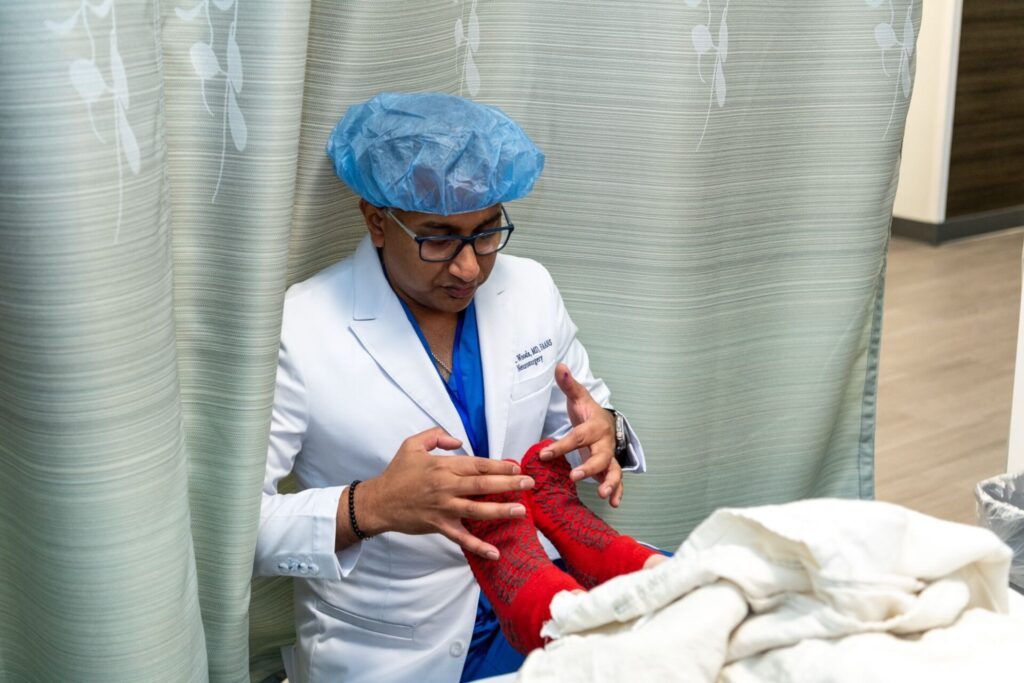
Scheduling a spine consultation can bring both relief and uncertainty. You have an opportunity to discuss what has been bothering you, but you may also wonder what to bring, which questions matter, and whether surgery will enter the conversation.
Preparation does not mean diagnosing yourself. It means gathering information that helps the physician understand your experience and making room for a useful discussion.
A spine consultation gives patients an opportunity to discuss symptoms, previous treatment, daily limitations, and their goals with a specialist before deciding on appropriate next steps.
These five tips can help you approach the appointment with clearer questions and a more organized account of your concerns.
1. Create a Simple Timeline of Your Symptoms
Begin with when the problem started and how it has changed. Describe where you feel discomfort and whether symptoms stay in one area or travel elsewhere.
Include numbness, tingling, or changes in strength if you have noticed them. Explain what makes symptoms better or worse, without pushing yourself to reproduce pain for the sake of taking notes.
At Vertrae, the practice presents personalized care and individual goals as parts of its approach. A clear symptom history gives that discussion a practical starting point.
You do not need a lengthy diary. A few dated observations may be more helpful than trying to remember everything while sitting in the examination room.
Mention whether symptoms began after an injury or appeared gradually. Describe changes in walking, sleep, or everyday movement.
If back or leg symptoms occur with new difficulty urinating, loss of bladder or bowel control, or numbness around the groin, seek emergency assessment rather than waiting for a routine appointment. These can be warning signs of serious nerve compression.
2. Explain Which Activities Matter Most to You
Pain intensity is useful information, but it does not capture the whole experience. The physician also needs to understand what your symptoms prevent you from doing.
Perhaps sitting through work is difficult. Maybe walking the dog requires frequent stops, or a favorite activity has become something you avoid.
Choose a few specific examples. Explain how long you can manage an activity, what happens afterward, and whether you have changed your routine.
The biography of Dr. Kamal Woods describes listening to patients’ concerns and goals. Use that opportunity to explain what improvement would mean in your life.
Keep goals practical. Returning to a particular task may involve different considerations from simply reducing discomfort while resting.
Discuss work responsibilities, caregiving, and activities you hope to resume. These details can support a more relevant conversation about options and expectations.
You are not auditioning for the role of “perfect patient.” An honest description is enough, including days when symptoms are better and situations you find difficult.
3. Organize Previous Care and Relevant Records
Write down treatments you have already tried and how you responded. Include physical therapy, injections, prescribed medicines, and previous procedures when applicable.
Approximate dates are useful if exact ones are unavailable. Explain whether a treatment helped, how long the benefit lasted, and whether you experienced problems.
Prepare an accurate medication list, including prescription medicines, over-the-counter products, vitamins, and supplements. Note doses and frequency, and include known allergies.
The National Institute on Aging recommends preparing concerns and medication information before medical appointments. Its worksheets also provide ways to organize health history.
Ask the office which records and imaging it needs and how they should be provided. An imaging report and the actual images are different materials, so confirm whether both are required.
Do not assume records from another provider will automatically be available. Verify the transfer arrangements before the visit when possible.
Keep everything manageable. One organized folder or a clear digital record can be easier to use than a stack of papers with the important page hiding somewhere in the middle.

4. Ask About the Reasoning Behind Treatment Options
A consultation with a neurosurgeon does not automatically establish that you need surgery. The discussion should connect the evaluation with options appropriate to your situation.
Depending on the diagnosis, spine treatment options may include nonsurgical approaches such as physical therapy or injections as well as minimally invasive or other surgical procedures.
Ask what diagnosis is being considered and which findings support it. If more testing is recommended, ask what question that testing is intended to answer.
Then discuss the proposed treatment. What is its purpose? What alternatives are relevant? What benefits, risks, and limitations should you understand?
If surgery is recommended, ask why it is being considered now and what recovery may involve. Mention practical concerns such as work, transportation, and help at home.
A specialist’s training and experience provide useful background, but the individual evaluation should determine which treatment approach may be appropriate.
Ask how any technology would be used in your case. A named technique or device deserves an explanation that relates directly to the proposed procedure.
5. Leave With Clear Next Steps
Before the appointment ends, make sure you understand the plan. That might involve additional evaluation, a treatment discussion, or follow-up after a specific step.
Ask what you should do next, who coordinates it, and how to contact the office with questions. Confirm any instructions about activity or medication directly with the clinical team.
NIH communication guidance encourages asking questions, taking notes, and considering a trusted companion. If someone joins you, decide beforehand how they can help.
If a question feels awkward, write it down beforehand. Concerns about responsibilities, uncertainty, or the treatment process deserve discussion too. Put your most important topics first so they are raised while there is time to respond.
Repeat the plan in your own words so misunderstandings can be addressed. “Let me check that I understood” is a useful sentence in any medical conversation.
Ask which symptom changes require prompt attention and what to do if they occur. Keep the instructions accessible after you leave.
Turn Preparation Into a More Useful Conversation
Preparing for a spine consultation means bringing your experience into focus: symptoms, previous care, daily limitations, and personal goals. Gather relevant information, ask why options are recommended, and confirm the next steps. You do not need every answer before the visit. A thoughtful conversation can help you understand the evaluation and participate more confidently in decisions about your care.
Other Articles You May Find of Interest...
- 5 Ways to Prepare for a Spine Consultation
- Knee Joint Discomfort: Causes and Relief
- Radius and Ulna Fractures at the Wrist: Treatment and Recovery
- Signs Your Knee Cartilage May Be Damaged
- What to Avoid With C5-C6 Degenerative Disc Disease
- Treating a Pinched Nerve in the Lower Back
- Treating Knock Knees in Adults: Exercise, Bracing, and Surgery