






More Pain Management & Rehabilitation Articles
Navigating Recovery from a Distal Fibula Fracture? Essential Insights for Healing
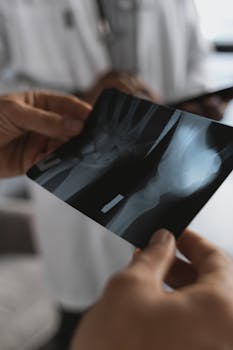
If you or a loved one are navigating recovery from a distal fibula fracture, you’re not alone. This type of injury, which involves a break near the ankle in the smaller of the two bones in the lower leg, requires careful management for optimal healing. Understanding the recovery process is crucial to ensure full function and avoid complications.
Understanding a Distal Fibula Fracture
A distal fibula fracture occurs when the fibula bone breaks near the ankle. This injury often results from trauma such as a fall, sports injury, or car accident. It’s important to know the different types of fractures, which can range from minor cracks to complex breaks requiring surgery.
Symptoms and Diagnosis
Common symptoms of a distal fibula fracture include pain, swelling, and possibly bruising around the ankle. If you can’t bear weight on the injured leg, it’s essential to seek medical attention immediately. A doctor typically diagnoses the fracture through physical examination and imaging tests like X-rays.
Treatment Options
Treatment for a distal fibula fracture depends on the severity of the break. Non-surgical options include immobilizing the leg with a cast or boot to allow natural healing. In more severe cases, surgery may be necessary to realign and stabilize the bone with plates and screws.
The Distal Fibula Fracture Recovery Process
Recovering from a distal fibula fracture requires patience and commitment. Initially, rest and elevation can help reduce swelling and pain. Over time, physical therapy plays an integral role in regaining strength and mobility in the ankle.
Importance of Nutrition
Nutrition is vital during recovery. A diet rich in protein can support tissue repair and bone strength. You might find it helpful to read about the importance of a high-protein diet to enhance your recovery journey.
Physical Therapy and Rehabilitation
Physical therapy typically begins a few weeks post-injury, focusing on gentle exercises to improve range of motion. Gradually, you’ll transition to weight-bearing exercises to strengthen the affected leg. Adhering to your physical therapist’s plan can greatly improve your outcomes.
Preventing Complications
It’s crucial to follow medical advice to prevent complications such as improper bone healing or chronic ankle instability. Proper footwear, adherence to recommended exercise regimes, and avoiding high-risk activities can minimize future injuries.
Pain Management and Medications
Pain management during recovery is tailored to individual needs. Over-the-counter medications may alleviate discomfort, but consult with your physician for any prescription requirements or concerns about side effects.
Final Thoughts on Your Distal Fibula Fracture Journey
Recovering from a distal fibula fracture can be a challenging but rewarding journey. By understanding the nature of your injury, following a structured treatment plan, and adhering to rehabilitation protocols, you can achieve a full recovery. Always consult your healthcare provider for advice tailored to your specific situation.
- A distal fibula fracture involves a break near the ankle in the fibula bone.
- Treatment may include immobilization or surgery, depending on severity.
- Physical therapy is crucial for restoring strength and mobility.
- Nutrition plays a significant role in supporting recovery.
- Following medical guidance helps prevent complications.
What is a distal fibula fracture?
A distal fibula fracture refers to a break in the fibula bone near the ankle, commonly resulting from trauma or high-impact activities.
How is a distal fibula fracture diagnosed?
Diagnosis typically involves a physical examination and imaging tests, such as X-rays, to assess the extent and nature of the fracture.
What are the treatment options for a distal fibula fracture?
Treatment ranges from immobilization with a cast or boot to surgical intervention, depending on the fracture’s severity and complexity.
How long does it take to recover from a distal fibula fracture?
Recovery times vary based on the injury’s severity, treatment type, and individual healing rates, typically ranging from six weeks to several months.
Where can I find more detailed information on distal fibula fractures?
You can learn more about distal fibula fractures on reliable websites such as Wikipedia’s page on ankle fractures.
Other Articles You May Find of Interest...
- Choosing the Right Muscle Relaxant for Sciatica: Robaxin or Flexeril?
- Is Robaxin the Solution for Your Back Pain Relief?
- Indocin vs Ibuprofen: Which Pain Reliever Packs a Bigger Punch?
- Is Diclofenac a Potent Pain Reliever? Discover Its Strength and Uses
- Relieving Left-Side Hip Pain: Causes and Effective Remedies
- Effective Pain Relief: Gabapentin or Tramadol for Sciatica?
- Can Methocarbamol Effectively Reduce Inflammation?



