Your Health Magazine Contributor
4201 Northview Drive
Suite 102
Bowie, MD 20716
More Workplace Health & Safety Articles
Create Extra Office Space in the Garden for Employee Well-Being
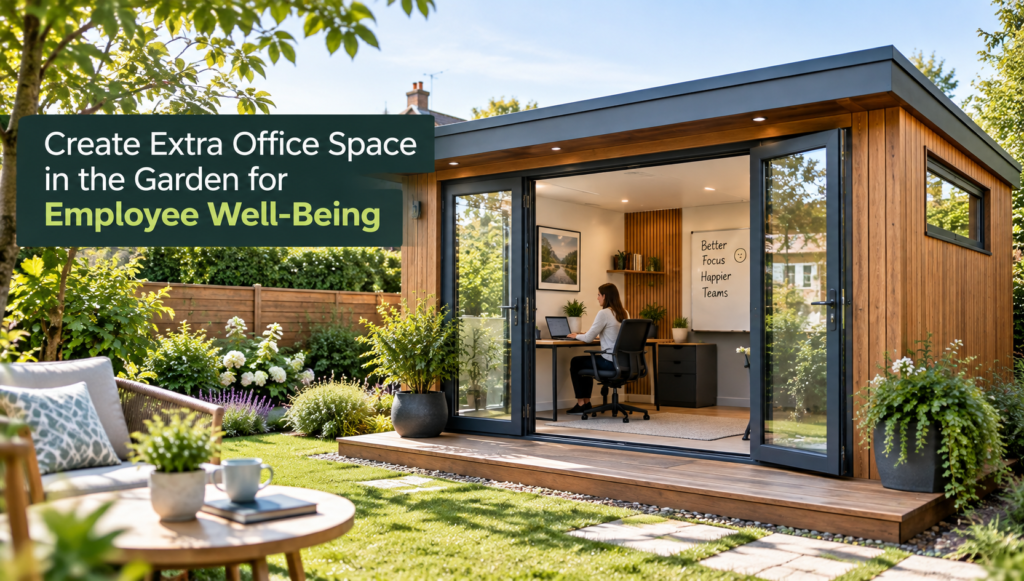
The way people work has changed significantly in recent years. While offices remain important for collaboration and team culture, employees also value quiet, comfortable spaces where they can focus without constant interruptions.
For businesses with limited indoor space, the garden can offer an effective solution. A well-designed garden office can provide employees with a dedicated working environment while giving them a welcome change from the traditional workplace. With thoughtful planning, businesses can create an outdoor workspace that supports productivity, comfort, privacy, and overall employee well-being.
Why Garden Office Space Matters for Employee Well-Being
A crowded workplace can make it difficult for employees to concentrate. Background conversations, ringing phones, meetings, and constant movement can gradually contribute to mental fatigue.
Creating an additional workspace in the garden gives employees another option during the working day. Instead of being surrounded by the same environment for several hours, they can work in a quieter setting with natural light and views of greenery.
Make the Garden Office a Valuable Workplace
Adding a garden office is an opportunity to rethink how employees use workplace space. Rather than simply creating more desks, businesses can develop a comfortable environment that supports concentration, collaboration, and well-being.
For companies looking for a flexible outdoor workspace, garden office pods can provide a practical way to add dedicated office capacity without extending the main building. With appropriate insulation, lighting, furniture, connectivity, and acoustic treatment, they can become productive year-round workspaces.
Creating a Healthier Work Environment
The physical environment has a direct influence on how people experience their working day. A comfortable garden office can provide:
- More privacy for focused tasks
- Reduced distractions from busy office areas
- Access to natural daylight
- Views of plants and outdoor surroundings
- A quieter environment for meetings
- Dedicated space for individual work
- A change of scenery during the working day
Even short periods away from a busy main office can help employees reset their attention and return to their usual workspace feeling refreshed.
Bringing Nature Into the Working Day
One of the biggest advantages of a garden office is its connection to the outdoors. Employees can see trees, plants, flowers, and natural light without having to leave the workplace.
Businesses can strengthen this connection by adding planters around the office, using natural materials inside, and positioning desks near windows. These simple choices can make the workspace feel less clinical and more welcoming.
Designing a Garden Office That Supports Productivity
A garden office should be more than an attractive building at the bottom of the garden. It needs to function as a practical workplace throughout the year.
When planning the space, consider how employees will actually use it. A room designed for quiet individual work may require different furniture and acoustic treatment than one used for team meetings or client calls.
Choose the Right Layout
Start by deciding how many people the garden office needs to accommodate. Avoid filling the entire floor area with desks, as employees also need space to move around comfortably.
Consider creating separate zones for different activities, such as:
- Individual workstations
- Small meetings
- Informal discussions
- Video calls
- Breaks and relaxation
Flexible furniture can make it easier to adapt the room as the team’s needs change.
Prioritise Natural Light
Natural light can make a garden workspace feel larger and more inviting. Large windows or well-positioned rooflights can bring daylight deep into the room while providing views of the surrounding garden.
However, too much direct sunlight can cause glare on computer screens. Blinds, adjustable shades, or carefully positioned desks can help balance natural light with practical working conditions.
Make Temperature Control a Priority
A garden office needs to remain comfortable throughout the year. Good insulation is essential, particularly during colder months, while appropriate ventilation and cooling help prevent overheating in summer.
A reliable heating system, efficient windows, and suitable insulation can turn a garden building into a genuinely usable workplace rather than a seasonal workspace.
Creating a Quiet Garden Office for Better Focus
Noise is often overlooked when businesses plan additional office space. A garden office may be separated from the main building, but that does not automatically make it acoustically comfortable.
Traffic, garden machinery, nearby conversations, rain, and sounds from the main office can still become distractions. Internal sounds can also bounce around the room, particularly when walls, floors, ceilings, desks, and windows have hard surfaces.
Why Acoustic Comfort Matters
Employees need to hear conversations clearly without being exposed to unnecessary background noise. This becomes especially important when the garden office is used for meetings, telephone calls, online conferences, or concentrated work.
Soft furnishings, rugs, curtains, and suitable acoustic materials can help absorb reflected sound. Wall-mounted acoustic treatments can also reduce echo and make the room feel calmer.
How to Soundproof a Garden Office
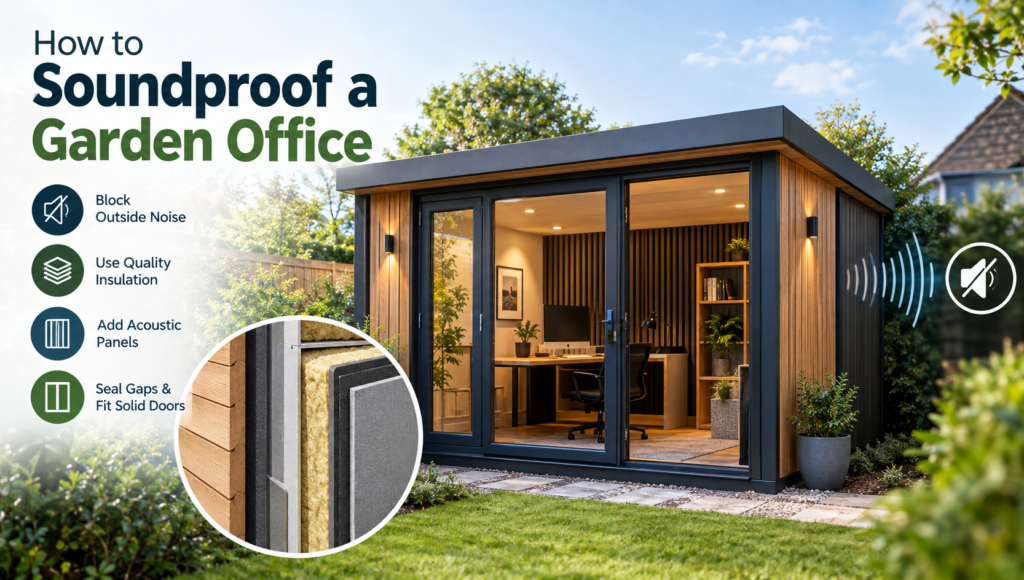
If outside noise or sound transfer is a concern, businesses should consider a combination of insulation, properly sealed doors and windows, and appropriate acoustic materials to soundproof a garden office. For soundproofing an office, you need to invest in acoustic panels. Acoustic panels can help absorb internal reflections and reduce echo, while thicker construction, insulated walls, and effective seals can help limit unwanted sound entering or leaving the building.
The right approach depends on whether the main issue is reverberation inside the room or noise travelling through the building structure.
This distinction is important because acoustic treatment and soundproofing solve different problems. Combining the right solutions can create a much more comfortable environment for focused work and confidential conversations.
Practical Ways to Improve Employee Well-Being
Once the basic structure is in place, small details can make a significant difference to how employees experience the garden office.
Add Comfortable Furniture
Choose ergonomic desks and chairs that support good posture. Employees may spend several hours in the space, so comfort should not be treated as an afterthought.
Where space allows, add a comfortable chair or small seating area for informal conversations and short breaks.
Create a Relaxing Outdoor Area
The space immediately around the office can also contribute to employee well-being. A small seating area, planting, or pathway can encourage employees to step outside between tasks.
Consider adding:
- Outdoor benches
- Potted plants
- Small trees
- Flower beds
- A shaded seating area
- Low-maintenance landscaping
These features can make the garden office feel like part of a wider workplace environment.
Provide Reliable Technology
A beautiful workspace is not particularly useful if employees struggle with their internet connection. Make sure the building has reliable Wi-Fi, sufficient power outlets, good lighting, and the technology needed for video meetings.
Cable management should also be considered during the planning stage. Keeping cables organised reduces clutter and makes the space safer.
Common Garden Office Mistakes to Avoid
Businesses can sometimes focus too heavily on appearance while overlooking practical requirements.
One common mistake is choosing a garden building that is too small. A workspace that looks suitable on paper can quickly become cramped once desks, chairs, storage, and equipment are installed.
Another issue is inadequate insulation. Without proper insulation and ventilation, employees may find the space uncomfortable during extreme temperatures.
Noise should also be considered early. Installing acoustic solutions after the office has been furnished can be more difficult and expensive than planning for sound control during the initial design.
Think About Long-Term Use
Employee needs can change over time. A garden office that initially accommodates two people may eventually need to support meetings, additional staff, or hybrid working arrangements.
Where possible, choose a flexible layout and durable materials. This makes it easier to adapt the space without carrying out major renovations.
Final Thoughts
Creating extra office space in the garden can benefit both businesses and employees. It provides additional capacity while giving workers access to a quieter, more private, and stress-free environment away from the distractions of a busy main office.
The best results come from considering the entire experience—from natural light and temperature to furniture, connectivity, privacy, and acoustics. With careful planning, a garden office can become much more than an extra room; it can be a valuable part of a healthier and more flexible workplace.
Other Articles You May Find of Interest...
- The Long-Term Health Effects of Repetitive and Physically Demanding Work
- Create Extra Office Space in the Garden for Employee Well-Being
- Chemical Exposure at Work: The Symptoms You Shouldn’t Ignore
- Garfield DTF Shops: Before Installing Equipment Check List
- How Remote Work Benefits Employee Wellbeing: What The Remote Work Statistics Really Say
- How Classic Car Restoration in South Florida Can Bring Your Vehicle Back to Life
- The Growing Demand for Made-to-Order Industrial Components