




Your Health Magazine Contributor
4201 Northview Drive
Suite 102
Bowie, MD 20716
More Workplace Health & Safety Articles
How Repetitive Desk Work Can Affect Joint and Muscle Comfort
Working at a computer for long periods can take a toll on the upper body. Prolonged typing, clicking, and holding the arms or wrists in fixed positions may contribute to soreness, stiffness, and repetitive-strain symptoms, particularly when workstation ergonomics are poor.
For office workers who regularly experience these symptoms, the first steps usually involve looking at posture, workstation setup, movement breaks, and whether symptoms persist despite those changes. Some people also use topical products such as UBIOSKA Joint Massage Cream as part of a comfort-focused routine, although topical products should not be considered treatments for underlying joint disease.
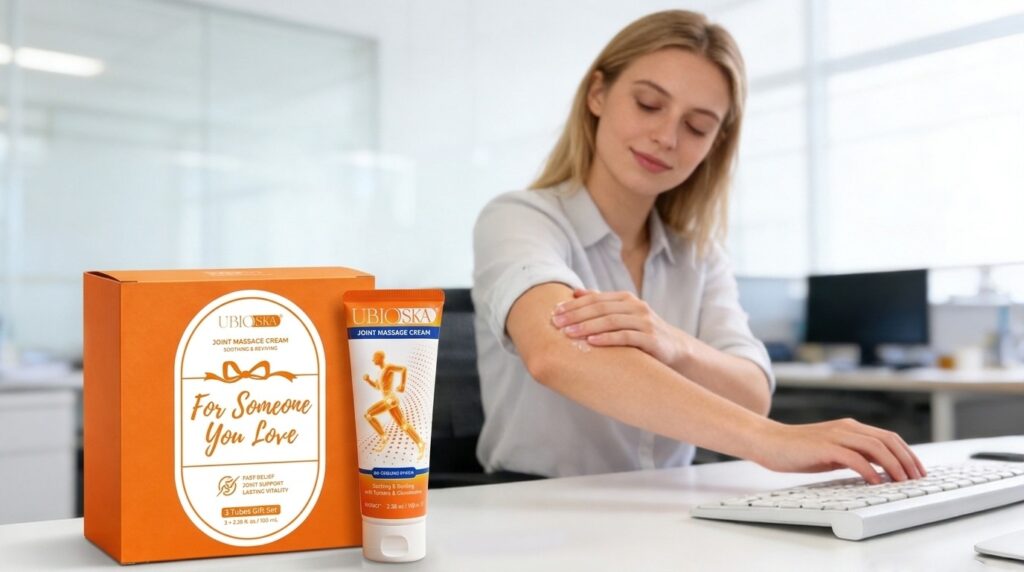
1. How Repetitive Desk Work Can Lead to Discomfort
Computer work involves repeated small movements along with prolonged static positioning. Using a mouse for hours, typing continuously, or keeping the wrists and elbows in awkward positions can increase strain on muscles, tendons, and other soft tissues.
Research has linked intensive computer and mouse use with musculoskeletal symptoms and repetitive-strain conditions, particularly when exposure is prolonged and ergonomics are poor.
This is different from saying that computer use directly causes osteoarthritis. Osteoarthritis is a complex joint condition influenced by factors such as age, previous injury, genetics, body weight, and joint loading. Desk work may contribute to pain and overuse symptoms without necessarily damaging joint cartilage.
2. Signs That Desk Habits May Be Affecting You
Symptoms related to repetitive desk work can develop gradually. Common signs may include:
- Wrist or forearm soreness after prolonged typing
- Elbow discomfort after extended mouse use
- Hand or finger stiffness
- Neck and shoulder tension
- Numbness or tingling that occurs repeatedly
- Discomfort that improves when you stop or change activities
These symptoms should not automatically be assumed to be normal fatigue. Persistent pain, weakness, numbness, swelling, or loss of motion deserves medical evaluation, especially when symptoms interfere with work or everyday activities.
3. Who May Be More Susceptible?
Certain work patterns can increase musculoskeletal strain, including:
- Long periods of continuous typing or clicking
- Repetitive use of a mouse or drawing tablet
- Workstations that place the wrists, elbows, or shoulders in awkward positions
- Few opportunities to change position or take movement breaks
- Repetitive tasks performed for many hours each day
Individual factors also matter. A workstation that feels comfortable for one person may not suit another because of differences in height, reach, previous injuries, or physical limitations.
4. Where Topical Products May Fit
Some people use massage creams or other topical products to provide a cooling, warming, or soothing sensation to tired muscles and joints.
Formulations may include ingredients such as peppermint, turmeric, glucosamine, or penetration-enhancing ingredients such as Tetrahydropiperine. However, the presence of these ingredients does not establish that a topical product repairs cartilage or treats osteoarthritis.
Evidence regarding glucosamine for osteoarthritis is mixed, and major clinical guidelines have not established that glucosamine reliably repairs damaged cartilage. Evidence for topical formulations is even more limited.
For that reason, massage creams are better viewed as optional comfort products rather than substitutes for medical evaluation, ergonomic changes, exercise, or other appropriate treatment.
5. Simple Ways to Reduce Office-Related Strain
Small changes to the workday may help reduce repetitive stress.
Adjust Your Workstation
Set the chair and desk so your shoulders can remain relaxed and your elbows are comfortably supported. Keep frequently used items within easy reach rather than repeatedly stretching or twisting.
Pay Attention to Wrist Position
Try to keep the wrists relatively neutral while typing or using a mouse instead of holding them sharply bent for long periods.
Take Regular Movement Breaks
Briefly changing position, standing, walking, or moving the wrists and arms can help break up long periods of repetitive activity.
Alternate Tasks When Possible
Switching between typing, phone calls, meetings, and other activities can reduce continuous exposure to the same movements.
Address Persistent Symptoms
If pain or stiffness continues despite ergonomic changes and breaks, speak
Other Articles You May Find of Interest...
- How Repetitive Desk Work Can Affect Joint and Muscle Comfort
- Staying Healthy While Building a Business Remotely
- What Is Stagnant Water? Where It Forms and Why It Matters
- How Continuous Iaq Monitoring Changes What Engineers Can Specify Under Ashrae 62.1
- CSCS Green Card, SMSTS or SSSTS Course Online: Which UK Construction Course Can You Actually Do from Home?
- Complete Guide for Chemical Spill Response
- The Long-Term Health Effects of Repetitive and Physically Demanding Work





