






More Women's Health & Beauty Articles
Recognizing Signs of Overdoing It After Hysterectomy for a Smooth Recovery
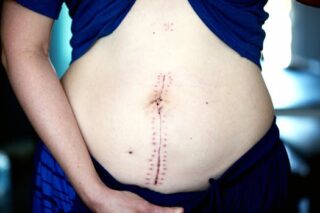
Imagine you are recuperating after a hysterectomy, determined to return to your normal routine as quickly as possible. However, it’s crucial to recognize the signs of overdoing it after hysterectomy to ensure a smooth recovery. Pushing yourself too hard too soon can impede healing and lead to complications.
Spotting the Signs of Overdoing It After Hysterectomy
Post-surgery, your body requires ample rest to heal properly. But overzealous attempts to return to daily activities might manifest in various physical cues. Common indicators include increased pain or discomfort, fatigue beyond typical postoperative tiredness, and swelling or bleeding of the surgical site. Activities like lifting heavy objects or exercising too much can exacerbate these factors.
How Physical Activities Can Impact Recovery
It’s understandable to want to regain physical independence, but gradually and carefully increasing your activity level is essential. Listen to your body and acknowledge limitations. Overexertion can lead to setbacks, making everyday activities like walking or stretching painful and unwelcome. It’s a delicate balance between staying active to prevent stiffness and avoiding actions that hinder your healing.
When to Seek Care
If you experience persistent pain, unusual swelling, or any new or worsening symptoms, it’s time to consult a healthcare provider. In particular, if fever, significant bleeding, or an unusual discharge is present, these could be signs of complications requiring immediate medical attention. Gynecologists or your primary care doctor are typically involved with postoperative assessments, helping ensure you’re on track with your recovery process.
Medication Considerations Post-Hysterectomy
Post-surgery, medication plays a crucial role in managing pain and preventing infection. It’s vital to follow the prescribed schedule and dosage instructions provided by your healthcare provider. Before transitioning off medications or starting new ones, always consult your doctor to address concerns about side effects or interactions. You might wonder whether side effects will change over time; this is common as your body adjusts, but significant changes should be discussed with a healthcare professional.
Your body is unique, and recovery experiences can vary significantly from one person to another. If you’re interested in exploring how you might safely support your recovery through diet and lifestyle changes, consider learning about weight loss strategies that work as part of a holistic approach.
Self-Care Tips to Support Recovery
Adopt measures that help in promoting healing. Keep hydrated and consume a balanced diet to fuel your recovery. Ensure that you are getting plenty of rest, and gradually reintroduce physical activities advised by your doctor. Enlist support for daily tasks that strain you physically. Familiarize yourself with personal care techniques, such as gentle stretching, to maintain mobility without overexertion.
For more general guidelines on maintaining health, you can refer to resources like the Wikipedia health article.
Takeaways
- Overdoing activities after a hysterectomy can delay recovery.
- Watch for signs like increased pain, fatigue, and surgical site issues.
- Consult healthcare providers if symptoms worsen or new issues arise.
- Medications should be managed carefully under a clinician’s guidance.
- Incorporate supportive self-care to assist in a smooth healing process.
Common Questions
What are early warning signs of overexertion?
Signs include increased pain, extreme fatigue, or bleeding at the surgical site, indicating you may be doing too much too soon.
How can I balance activity and rest during recovery?
Follow your healthcare provider’s recommendations on gradually increasing activities, and prioritize rest to ensure healing.
Who should I contact if I notice complications?
Reach out to your gynecologist or primary care physician if you experience unusual symptoms or suspect complications.
When can I resume exercise post-surgery?
Consult with your doctor for personalized advice, but typically light activities can often begin within weeks, with improvements occurring over several months.
What role does nutrition play in recovery?
Maintaining a balanced diet helps fuel recovery, supports immune function, and can aid in regaining strength post-surgery.
Other Articles You May Find of Interest...
- The Science Of Firmer, More Radiant Skin
- How Acupuncture Supports Women’s Health
- Women and Gorgeous Smiles
- The Forgotten Pillar Of Total Wellness
- Menopause at Work: Why Women’s Health Is Becoming a Workplace Issue
- Heavy Menstrual Bleeding: Common Causes, Warning Signs and When to See a Gynecologist
- Low Albumin During Pregnancy: Common Causes and When It Matters





