More Women's Health & Beauty Articles
Is Hibiscus Tea Safe During Pregnancy? Exploring the Benefits and Risks
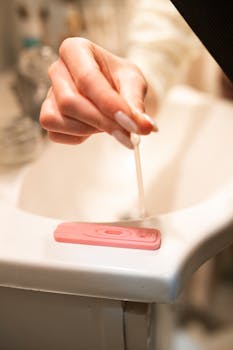
Expecting mothers often have many questions about what is safe to consume during pregnancy, leading many to wonder about hibiscus tea pregnancy concerns. Hibiscus tea, also known as roselle tea, has been enjoyed for centuries due to its refreshing taste and potential health benefits. However, its safety during pregnancy is a topic of ongoing discussion. This article aims to explore the benefits and risks of sipping on hibiscus tea while expecting.
The Potential Benefits of Hibiscus Tea During Pregnancy
Hibiscus tea is rich in antioxidants, which may support overall health by fighting free radicals in the body. Additionally, it has been associated with regulating blood pressure and cholesterol levels. However, these benefits must be weighed against potential risks, especially during pregnancy.
Nutritional Content
Hibiscus tea is packed with essential nutrients such as vitamin C, iron, and calcium, which are beneficial for both the mother and the developing baby. These nutrients are crucial for the proper growth and development of the fetus and may also support the mother’s immune system during pregnancy.
Hydration
Staying hydrated is important for pregnant women, and hibiscus tea can provide a flavorful alternative to plain water. However, it is crucial to consult with a healthcare provider to determine the right balance between hydration and safety.
The Risks of Consuming Hibiscus Tea During Pregnancy
While hibiscus tea has potential benefits, there are also known risks associated with its consumption during pregnancy. Studies have suggested that hibiscus may have effects on hormone levels and uterine activity, which can be a concern.
Hormonal Effects
Hibiscus tea has been studied for its potential to affect estrogen levels. These hormonal changes can lead to complications such as premature labor in pregnant women. It is advisable for women to discuss these concerns with their healthcare providers before including hibiscus tea in their diet.
Potential for Miscarriage
Due to the uterine-stimulating effects of hibiscus, some healthcare experts recommend avoiding it during pregnancy, particularly in the first trimester. The risk of miscarriage associated with hibiscus consumption has yet to be conclusively determined, but caution is advised.
What Pregnant Women Should Consider
While some herbal teas are considered safe, others, like hibiscus, may have contraindications during pregnancy. Women should consider these factors:
- Consult a healthcare provider before consuming hibiscus tea during pregnancy.
- Consider alternative herbal teas that are known to be safe during pregnancy.
- Stay informed about the latest research on herbal tea consumption and pregnancy outcomes.
It’s important to have a comprehensive understanding of dietary choices during pregnancy for the safety of both the mother and the baby. Explore more on prenatal health to make informed decisions.
The Verdict on Hibiscus Tea During Pregnancy
The hibiscus tea pregnancy dilemma underscores the importance of making educated dietary choices during pregnancy. While hibiscus tea may offer health benefits, the potential risks could outweigh them for some pregnant women. Consulting a healthcare provider is key to ensuring safety. For more information about health guidelines, you may visit the comprehensive resources available online.
- Takeaways:
- Hibiscus tea offers potential health benefits through its nutritional content.
- Possible risks include hormonal effects and potential miscarriage.
- Consultation with healthcare providers is crucial before consumption.
- Alternative teas may be a safer option for pregnant women.
- Continuous research is important for informed health decisions.
FAQs about Hibiscus Tea and Pregnancy
Is hibiscus tea safe for all trimesters of pregnancy?
Hibiscus tea may pose risks due to its potential effects on uterine activity and hormones. It is generally advised to limit or avoid during all trimesters, but especially in the first trimester, unless recommended by a healthcare provider.
How much hibiscus tea is considered safe during pregnancy?
There is no established safe amount of hibiscus tea during pregnancy. Pregnant women should consult with their healthcare provider to receive personalized advice.
Are there any alternatives to hibiscus tea for pregnant women?
Yes, alternatives like ginger tea and peppermint tea are generally considered safe for pregnant women. However, it’s important to consult with a healthcare provider for personalized recommendations.
Can hibiscus tea influence blood pressure in pregnant women?
Hibiscus tea may help regulate blood pressure in the general population, but its effect during pregnancy is not well-studied. Pregnant women with blood pressure concerns should seek advice from their healthcare provider.
Where can I find more information on pregnancy-safe nutrition?
For further reading on safe nutrition practices during pregnancy, trusted resources such as the American College of Obstetricians and Gynecologists or consulting with a registered dietitian can provide comprehensive guidance.
Other Articles You May Find of Interest...
- Discharge vs. Amniotic Fluid: How to Tell the Difference
- The Health Benefits Of Slowing Down
- When Taking Care Of Everyone Else Becomes Too Much
- A Partner For Peace
- Nervous About Seeing a Vulvar Specialist? What Your First Visit May Involve
- Vaginal Rejuvenation Devices: What They Promise and What Evidence Shows
- Can Sperm Affect a Home Pregnancy Test Result?