






More Weight Control, Nutrition & Exercise Articles
How Can I Get More Magnesium in My Diet?
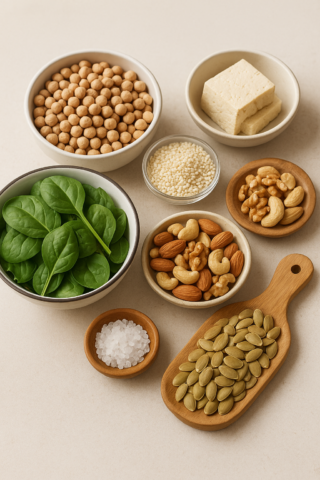
The simplest way to get more magnesium in your diet is to eat more seeds, nuts, beans, whole grains and leafy green vegetables. Add one or two magnesium-rich foods to each meal—for example, oatmeal with peanut butter at breakfast, black beans at lunch, almonds for a snack and cooked spinach at dinner. Most people can meet their needs through food without taking a supplement.
By Your Health Magazine Health Information Team
How Much Magnesium Do You Need?
Magnesium helps support muscle and nerve function, energy production, blood sugar regulation, normal heart rhythm and bone structure. The recommended daily amount depends on age, sex and life stage. General adult targets are:
| Group | Recommended daily amount |
|---|---|
| Adult men ages 19–30 | 400 mg |
| Adult men ages 31 and older | 420 mg |
| Adult women ages 19–30 | 310 mg |
| Adult women ages 31 and older | 320 mg |
| Pregnant adults | 350–360 mg, depending on age |
These amounts include magnesium from food, beverages, supplements and medications. The MedlinePlus magnesium overview provides additional information about the mineral’s functions and dietary sources.
Which Foods Have the Most Magnesium?
Seeds, nuts, legumes and leafy greens generally provide more magnesium per serving than meat or fruit. Whole grains also contain more magnesium than refined grains because processing can remove the magnesium-rich germ and bran.
| Food | Serving | Approximate magnesium |
|---|---|---|
| Roasted pumpkin seeds | 1 ounce | 156 mg |
| Chia seeds | 1 ounce | 111 mg |
| Dry-roasted almonds | 1 ounce | 80 mg |
| Cooked spinach | 1/2 cup | 78 mg |
| Dry-roasted cashews | 1 ounce | 74 mg |
| Cooked black beans | 1/2 cup | 60 mg |
| Smooth peanut butter | 2 tablespoons | 49 mg |
| Cooked brown rice | 1/2 cup | 42 mg |
| Plain low-fat yogurt | 8 ounces | 42 mg |
| Whole-wheat bread | 1 slice | 23 mg |
Amounts can vary by brand, preparation and serving size. The National Institutes of Health offers a broader list of magnesium food sources and recommended intakes.
Easy Ways to Add Magnesium to Everyday Meals
- Top breakfast with seeds. Stir chia seeds into oatmeal or yogurt, or sprinkle pumpkin seeds over cereal.
- Replace some refined grains. Choose oatmeal, brown rice, whole-wheat bread or other whole grains more often.
- Add beans to familiar dishes. Include black beans, kidney beans, chickpeas or lentils in salads, soups, tacos and grain bowls.
- Keep nuts available for snacks. A small handful of almonds or cashews adds magnesium, protein and unsaturated fat. Choose unsalted varieties if you are limiting sodium.
- Use leafy greens in cooked meals. Add spinach to eggs, pasta, soups or casseroles. Cooking reduces its volume, making a meaningful serving easier to eat.
- Spread magnesium throughout the day. Several moderate sources are often more practical than relying on one food.
For example, oatmeal prepared with milk and peanut butter can provide roughly 112 mg. A lunch containing black beans, brown rice and avocado can add about 124 mg. Almonds provide around 80 mg as a snack, while cooked spinach and salmon at dinner can add approximately 104 mg. Together, those choices supply about 420 mg, although actual amounts will vary.
How to Use Food Labels
The FDA’s Daily Value for magnesium is 420 mg for adults and children age 4 and older. On a label, 5% Daily Value or less per serving is considered low, while 20% or more is considered high. The FDA guide to Daily Value and percent Daily Value explains how to compare products.
Magnesium is not always listed on a packaged food’s Nutrition Facts label unless it has been added or the manufacturer makes a related nutrient claim. Check labels on fortified cereals and plant-based beverages, but remember that an unlisted whole food may still contain magnesium.
Do You Need a Magnesium Supplement?
Food is generally the preferred starting point because magnesium-rich foods also provide fiber, protein and other nutrients. Magnesium also contributes to skeletal health alongside calcium, vitamin D and other nutrients discussed in this guide to everyday foods that support bone strength.
A supplement may be appropriate when diet does not meet a person’s needs or a healthcare professional identifies a deficiency or increased risk. However, more is not necessarily better. For adults, the upper limit is 350 mg per day from magnesium supplements and magnesium-containing medications unless a clinician recommends otherwise. This limit does not include magnesium naturally present in food.
Supplemental magnesium can cause diarrhea, nausea and abdominal cramping. It can also interfere with certain antibiotics and osteoporosis medicines. Some diuretics and long-term acid-reducing medicines may affect magnesium levels. Ask a physician or pharmacist to review your medications before using a supplement.
People with kidney disease should be especially cautious because impaired kidneys may have difficulty clearing excess minerals. The National Institute of Diabetes and Digestive and Kidney Diseases advises people with kidney failure to use only vitamin and mineral supplements recommended by their healthcare provider.
When to Seek Care
Low magnesium intake may not cause obvious symptoms, and fatigue or muscle cramps alone do not prove that you have a deficiency. Contact a healthcare professional if you have persistent weakness, nausea, numbness, tingling or recurring muscle cramps, particularly if you also have chronic diarrhea, a gastrointestinal disorder, type 2 diabetes, heavy alcohol use or take medicines that can alter magnesium levels.
Seek urgent medical care for seizures, severe weakness, difficulty breathing, fainting or a rapid or irregular heartbeat. A physician can determine whether testing is appropriate, while a registered dietitian can help you build a magnesium-rich eating plan that fits your overall health needs.
Other Articles You May Find of Interest...
- How Can I Get More Magnesium in My Diet?
- Is a Personal Trainer Worth It After 50?
- The Evolution Of Metabolic Care: Navigating Telehealth Consultations, Safety, And Modern Weight Management
- How Bad Is Eating Out, and What Can Busy People Do About It?
- Do You Need a Personal Trainer or Just a Better Fitness Plan?
- How to Prepare for Your First Ballet Beginner Class as an Adult
- Is Baloney (Bologna) Good for You?





