Your Health Magazine Contributor
4201 Northview Drive
Suite 102
Bowie, MD 20716
More Weight Control, Nutrition & Exercise Articles
Holiday Weight Gain Is Real: A Seven-Day Indoor Walking Plan
Holiday routines can make movement less predictable. Travel, visitors, long meals, shopping, and work deadlines can crowd out the walks you usually take. Holiday weight changes are real for some people, but they vary from person to person. A week of indoor walking can help you keep a steady activity habit without turning the season into a weight-control challenge.
The plan below gives you a simple walk for each day, with options to shorten or split sessions. The goal is consistency, not compensating for food or earning a celebration. If you have a health condition or are returning to exercise after a break, choose a pace and schedule that feel appropriate for you.
Why keep daily walking in the routine?
Walking gives you a practical way to stay active when your usual schedule changes. You don’t need to reserve a large block of time: a walk can fit before work, during a lunch break, after a meal, or between errands. Indoor sessions also make movement less dependent on daylight, weather, or finding time to leave home.
Holiday weight changes are influenced by many things, and no walking schedule can guarantee a particular number on the scale. Think of daily walking as one sustainable part of your routine—not a way to cancel out meals or make up for a missed workout. Some days will be more active than others. Returning to your usual habits after a busy day is more useful than trying to “make up” for it with an exhausting session.
A widely used adult activity goal is at least 150 minutes of moderate-intensity aerobic activity each week. You can spread that time across the week and break walks into shorter sessions. At a moderate pace, you should be able to talk in sentences, even if singing would feel difficult. If you’re new to regular activity, start with less time and build gradually; the sample week is a flexible reference, not a pass-or-fail test.
A flexible seven-day indoor walking plan
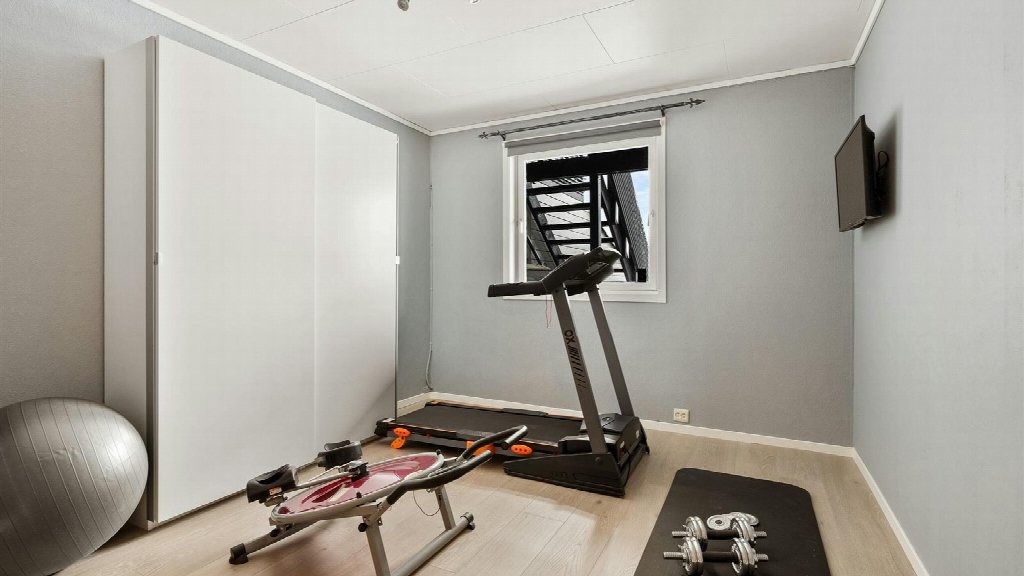
Use this schedule as a starting point. The moderate walks add up to about 150 minutes if you complete them at a moderate pace. The shorter recovery walk is optional movement at an easier effort. If the full schedule is more than you’re doing now, begin with half the time or fewer days, then add a few minutes when it feels manageable.
| Day | Indoor walking plan | Simple way to fit it in |
| Monday | 25 minutes at a moderate pace | Walk before the day fills up, or after work |
| Tuesday | 20 minutes at a moderate pace, split into two 10-minute walks | Take one break mid-day and one after dinner |
| Wednesday | 25 minutes at a moderate pace | Put on a familiar show or podcast |
| Thursday | 15 easy minutes, optional | Treat this as a recovery walk, not a target to chase |
| Friday | 25 minutes at a moderate pace | Take a short walk before a gathering or outing |
| Saturday | 25 minutes at a moderate pace | Split it into two short sessions if plans change |
| Sunday | 30 minutes at a moderate pace | Walk indoors, then plan the next week |
The moderate sessions total 150 minutes when you complete them at the talk-test pace. You can move a session to another day, shorten it, or split it into smaller blocks. A ten-minute walk still counts as movement; it doesn’t have to be attached to a longer workout to be worthwhile.
Make the plan work around real holiday days
A schedule is useful only if it bends when plans change. Pick a “minimum version” for busy days, such as a short indoor walk before getting ready or a few minutes after returning home. If the day gets away from you, skip the guilt and continue with the next planned walk.
Try anchoring walks to things already on your calendar. A morning walk can happen before guests arrive. A brief indoor session can fill a gap between calls. After a long drive, a gentle walk may feel like a practical way to get moving again. On a day with a large family gathering, choose a time that doesn’t compete with the event; you don’t need to walk immediately before or after a meal.
If you track steps, note your usual daily range for several ordinary days first. Then set a realistic holiday step goal based on that baseline. A small, achievable increase is usually easier to repeat than a dramatic number chosen because it sounds impressive. Your device’s count is a guide, not a grade: you can still use time, routine, or how you feel as measures of consistency.
Keep the walking comfortable and repeatable
Use shoes and a walking surface that feel stable, and clear the space around your route or treadmill before you start. Begin at an easy pace for a few minutes, then increase only if it feels comfortable. Slow down or stop if you feel unwell, unusually short of breath, or have pain that concerns you. You can also choose a shorter walk on a low-energy day and return to your plan later.
A useful weekly check-in is simple: Which walks fit naturally? Which ones kept getting bumped? Adjust the next week around what you learned. You might change the time of day, split a longer walk, or set a lower minimum for the busiest day. A repeatable routine is more useful than a perfect plan that only works on a quiet week.
When a home treadmill can help
If weather, daylight, or a packed calendar often disrupts outdoor plans, a home treadmill can make a short indoor walk easier to schedule. Look for a setup that suits your walking pace and available storage space. You don’t need equipment to follow this plan, though: an indoor track, a clear hallway, or another safe indoor route can also work.
Make indoor walking your holiday anchor
The most useful plan is the one you can return to. Choose a daily step target or a walking-time goal that fits your normal activity, keep a short indoor option ready for busy days, and adjust the week when gatherings or travel change your schedule. If you miss a walk, resume with the next one instead of trying to compensate.
Before the week begins, write down a daily step goal based on your usual activity, or choose a walking-time goal if you don’t use a tracker. Pick a time for your first walk, then check at week’s end whether the target felt realistic. The aim is to keep everyday movement in your routine, not to control every holiday meal or guarantee a change in body weight.
Disclaimer: This article is provided for general informational purposes and is not a substitute for professional medical advice, diagnosis, or treatment. Individual health needs and responses to exercise can vary. If you have a medical condition, concerns about your health, or are considering changes to your exercise, diet, sleep, or daily activity, consult a qualified healthcare professional first.
Other Articles You May Find of Interest...
- Lipo 360 vs. Traditional Liposuction: What Patients Should Know About Full-Torso Contouring
- Holiday Weight Gain Is Real: A Seven-Day Indoor Walking Plan
- Rapid Weight Gain: Possible Causes and When to Seek Care
- Cheapest Tirzepatide Online: 6 Programs Compared on Total Monthly Cost
- What to Look for in a Gastric Bypass Surgery Program Near Kissimmee
- How GLP-1 Medications Are Changing Eating Habits
- Best Treadmills for Home Use: What to Look For Before Buying