




Your Health Magazine Contributor
4201 Northview Drive
Suite 102
Bowie, MD 20716
More Sleep Articles
Tired but Wired: How Cortisol and Stress Can Affect Your Sleep (and How to Reset Your Routine)
You drag yourself through the afternoon relying on caffeine, sheer willpower, and the promise of your pillow. By 3:00 PM, your energy hits rock bottom. You feel exhausted down to your bones, your eyes burn, and all you want is to collapse into bed. Yet, the moment your head touches the mattress at 10:00 PM, something shifts.
Your heart begins to thump noticeably against your ribs. Your mind starts racing through unresolved conversations from three years ago, tomorrow’s to-do list, or existential dilemmas. Suddenly, you are wide awake, alert, and agitated.
Staring at the ceiling while your body buzzes with nervous tension leaves you asking the same frustrating question night after night: why can’t I fall asleep when I am completely exhausted?

This paradoxical state is commonly known as being “tired but wired.” It is not necessarily a failure of willpower or poor sleep hygiene. For some people, stress-related changes in the nervous system and the body’s hormonal rhythms may contribute to difficulty winding down.
One hormone involved in this process is cortisol, which helps regulate the body’s response to stress. Although cortisol abnormalities cannot be diagnosed from sleep symptoms alone, understanding how stress, circadian rhythms, and physical arousal interact can help explain why falling asleep sometimes feels so difficult.
The Diurnal Rhythm: Healthy Cortisol Patterns and Sleep Disruption
To understand why your body may feel alert just as the day ends, it helps to look at the normal circadian rhythm of cortisol and how stress can influence that pattern.
Under typical physiological conditions, cortisol follows a predictable 24-hour rhythm governed partly by the master circadian clock in your brain, known as the suprachiasmatic nucleus.
- The Morning Peak (Cortisol Awakening Response): Cortisol levels typically rise around waking, with an additional increase during the first 30 to 45 minutes after awakening. This helps support alertness, energy availability, and the transition into daytime activity.
- The Daytime Decline: Throughout the morning and afternoon, cortisol levels generally decline, although physical activity, emotional stress, illness, and other factors can cause temporary fluctuations.
- The Nocturnal Trough: Cortisol levels are typically relatively low during the early portion of the night before gradually increasing toward morning. This rhythm works alongside other biological processes, including melatonin signaling, that help regulate sleep.
When someone experiences chronic stress, their normal sleep-wake rhythms may become disrupted. Research has associated certain forms of insomnia with increased physiological arousal and changes in stress-system activity, although the exact hormonal patterns vary considerably between individuals.
Some people experience different challenges throughout the day:
- Morning (7:00 AM – 9:00 AM): Waking may feel difficult after insufficient or fragmented sleep, leading to grogginess and difficulty concentrating.
- Afternoon (2:00 PM – 4:00 PM): A natural afternoon dip in alertness may become more noticeable when someone is sleep-deprived, stressed, or relying heavily on caffeine.
- Evening (9:00 PM – 11:00 PM): Despite feeling physically exhausted, racing thoughts, anxiety, or heightened alertness may interfere with sleep onset.
- Night (2:00 AM – 4:00 AM): Some people experience repeated awakenings, occasionally accompanied by a racing heart, restlessness, or difficulty returning to sleep.
These experiences do not necessarily indicate an inverted cortisol curve. Sleep disorders, medications, anxiety, medical conditions, and everyday habits can produce similar symptoms.
The 5 Potential Drivers of Feeling Wired at Night
A late-night feeling of alertness is rarely caused by a single isolated factor. Instead, several physiological and environmental influences may contribute to difficulty falling or staying asleep.
1. Sympathetic Nervous System Overactivity
During a busy day, constant tasks, emails, conversations, and screens keep your conscious mind occupied. Even when you’re experiencing significant stress, external distractions may prevent you from noticing how tense or alert you feel.
The moment you lie down in a dark, quiet room, the external noise stops. Without those distractions, unresolved worries and physical tension can become much more noticeable.
The sympathetic nervous system, often associated with the body’s “fight-or-flight” response, plays a role in alertness and stress. When this system remains highly activated, it may become harder to relax and transition into sleep.
This heightened state of arousal is one possible explanation for feeling tired but mentally alert at bedtime.
2. The Circadian and Light Exposure Mismatch
Human biology evolved around natural cycles of daylight and darkness. Today, the modern evening is filled with artificial lighting from smartphones, tablets, televisions, and energy-efficient LED bulbs.
Short-wavelength light, particularly blue-enriched light, can influence specialized cells in the retina that communicate with the brain’s circadian clock.
Exposure to sufficiently bright light in the evening can delay melatonin signaling and shift the timing of sleepiness, making it more difficult to fall asleep at the desired hour.
This does not mean that every minute of screen exposure causes insomnia or triggers a cortisol surge. However, reducing bright light exposure before bedtime may help people whose sleep schedules are sensitive to evening light.
3. Blood Sugar Fluctuations and Evening Habits
Metabolic health can influence sleep quality. Irregular eating patterns, alcohol consumption, and certain medical conditions may contribute to nighttime discomfort or sleep disruption.
For people with diabetes, particularly those using insulin or certain glucose-lowering medications, nighttime hypoglycemia can sometimes cause sweating, a racing heart, anxiety, or awakening from sleep.
However, nighttime low blood sugar is not a common explanation for insomnia in otherwise healthy people, and symptoms alone cannot establish that glucose levels are dropping.
Eating regular, balanced meals and moderating alcohol consumption can support general health and sleep quality. Anyone experiencing symptoms suggestive of hypoglycemia should discuss them with a healthcare professional rather than assuming dietary changes will resolve the problem.
4. Muscle Tension and Physical Stress
Stress is not purely mental; it can have noticeable physical effects.
A clenched jaw, tight shoulders, tense hips, or shallow breathing may accompany periods of anxiety or emotional strain. Some therapeutic traditions describe persistent patterns of muscular tension as “body armoring.”
Muscles and connective tissues contain sensory receptors that communicate information about movement, pressure, and position to the nervous system.
Although it has not been established that fascial tension directly causes nighttime cortisol spikes, physical discomfort and muscle tension can make relaxation more difficult.
Gentle stretching, relaxation exercises, and other strategies that reduce perceived tension may help some people feel more comfortable before bedtime.
5. Airway Resistance and Nocturnal Arousals
Another important consideration is breathing during sleep.
Conditions such as obstructive sleep apnea can cause repeated narrowing or obstruction of the upper airway. These events may produce temporary reductions in oxygen levels, changes in heart rate, and brief awakenings that fragment sleep.
A person may not remember these awakenings but can still feel exhausted the following morning.
Snoring, gasping during sleep, witnessed breathing pauses, morning headaches, and persistent daytime sleepiness are reasons to consider a professional sleep evaluation.
Mouth breathing alone does not establish that someone has sleep apnea or abnormal cortisol levels. However, persistent nighttime breathing difficulties deserve appropriate medical assessment rather than relying exclusively on relaxation techniques.
The Cortisol-Melatonin Relationship: What Happens to Sleep Architecture
Cortisol and melatonin participate in the body’s broader sleep-wake regulation.
Melatonin typically increases in the evening as darkness signals the approach of the biological night. Cortisol generally follows a different daily pattern, with higher levels around waking and lower levels during the early night.
These rhythms are related, but they do not operate as a simple on-off switch. Elevated cortisol does not automatically prevent melatonin production, and difficulty sleeping does not prove that either hormone is abnormal.
Stress-related arousal can still interfere with sleep in several ways:
- Worry and physical tension can make it harder to relax at bedtime.
- Elevated alertness may delay the transition from wakefulness into sleep.
- Repeated awakenings can disrupt normal sleep continuity.
- Insufficient or fragmented sleep can leave a person feeling physically and mentally exhausted the following day.
The Role of Body Temperature
To initiate sleep, core body temperature typically begins to decline as part of the body’s circadian cycle.
This cooling process is supported by changes in blood flow, including increased heat loss through the hands and feet.
A bedroom that is too warm, heavy bedding, or physical discomfort can make it more difficult to settle comfortably.
Stress may also affect how warm or restless someone feels, although these sensations do not necessarily indicate a cortisol-related thermoregulatory problem.
Creating a cool, comfortable sleeping environment can support the body’s normal transition toward rest.
Understanding Brainwaves and Sleep Stages
Your brain moves through different patterns of electrical activity as you transition from wakefulness into sleep.
- Beta activity: Commonly associated with active waking thought and alertness.
- Alpha activity: Often observed during relaxed wakefulness, particularly with the eyes closed.
- Theta activity: Associated with drowsiness and certain stages of lighter sleep.
- Delta activity: Prominent during deep, slow-wave sleep.
These patterns reflect different states of brain activity, but sleep is considerably more complex than moving through a fixed sequence of frequencies.
A person experiencing insomnia may have difficulty initiating sleep, remaining asleep, or obtaining sufficient restorative rest.
Although stress and hyperarousal can contribute to insomnia, it is not accurate to conclude that a nighttime cortisol surge literally locks the brain into beta waves or prevents deep sleep.
Why Conventional Sleep Hygiene Sometimes Isn’t Enough
Most advice for insomnia centers around sleep hygiene: take a warm bath, keep the bedroom cool, limit caffeine, and establish a consistent bedtime.
These habits can be helpful, but they may not fully resolve persistent insomnia, particularly when anxiety, conditioned wakefulness, medical conditions, or other factors contribute to the problem.
Furthermore, “trying” to fall asleep can sometimes create performance anxiety.
When you lie in the dark watching the clock tick, monitoring your breathing, and wondering why you aren’t asleep yet, frustration can increase alertness and make falling asleep even harder.
This is one reason cognitive behavioral therapy for insomnia (CBT-I) is recommended as a first-line treatment for chronic insomnia. CBT-I addresses the thoughts, behaviors, and learned associations that can perpetuate sleep difficulties.
Relaxation practices and a comfortable sleep environment may complement this approach, but they should not be presented as replacements for established treatment when insomnia persists.
Somatic and Environmental Approaches to Support Better Sleep
Breaking the cycle of nighttime stress often involves reducing physiological arousal and creating conditions that support the body’s natural sleep rhythms.
Somatic approaches focus on bodily sensations, movement, breathing, and relaxation. Some people find these practices useful alongside conventional sleep strategies.
The strength of scientific evidence varies by technique, and not every approach has been shown to change cortisol levels or treat insomnia directly.
1. Thermoregulation and Evening Heat
Instead of focusing solely on the bedroom environment, consider how body temperature changes throughout the evening.
A warm bath or shower taken approximately one to two hours before bedtime may support the body’s natural cooling process after leaving the warm environment.
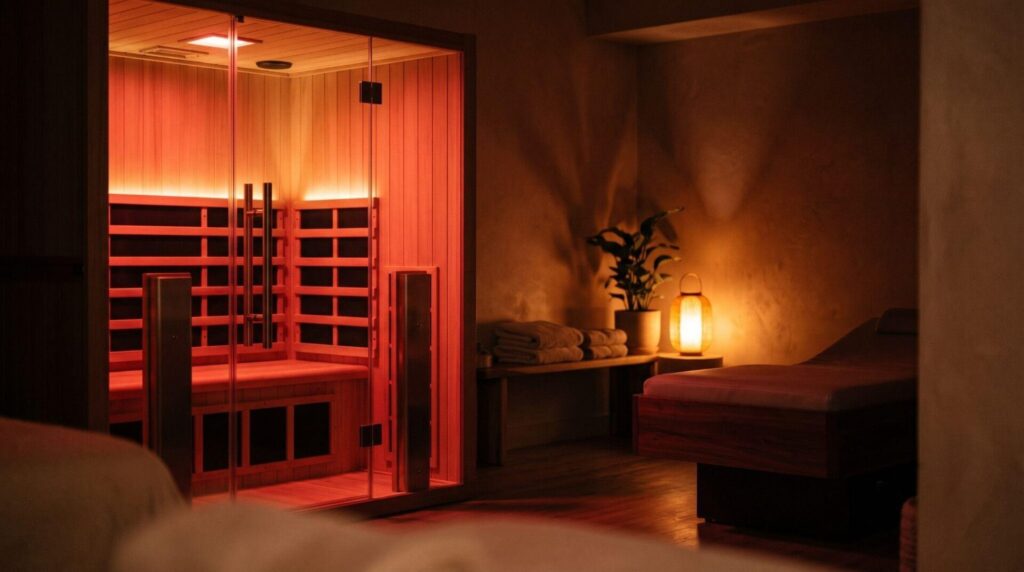
Some people also enjoy infrared saunas as part of a relaxation routine.
Heat exposure can increase circulation near the skin’s surface, but the evidence that infrared sauna sessions specifically reduce nighttime cortisol or treat insomnia is limited.
Saunas may also be unsuitable for people with certain cardiovascular conditions, low blood pressure, dehydration, or other medical concerns. Anyone with relevant health conditions should obtain medical guidance before using intense heat.
2. Tactile Low-Frequency Sound and Relaxation
Sound and vibration-based relaxation techniques have attracted interest among people looking for additional ways to manage stress.
Vibroacoustic therapy uses low-frequency sound delivered through specialized equipment, sometimes built into a lounge or bed.
The vibrations create physical sensations that some individuals describe as calming or relaxing.
Preliminary research has explored vibroacoustic interventions for stress, discomfort, and well-being. However, the evidence remains limited, and these therapies have not been established as treatments that directly stimulate the vagus nerve, reset cortisol rhythms, or reliably shift the brain into deep-sleep frequencies.
For individuals who enjoy sensory relaxation, vibroacoustic sessions may provide a comfortable environment for winding down. They are best viewed as optional wellness practices rather than substitutes for clinically established insomnia treatment.
3. Evening Light Management and Red Light
To counteract excessive evening light exposure, consider reducing bright overhead lighting and limiting prolonged exposure to highly stimulating screens before bedtime.
Warm, dim lighting can help create a more relaxing environment.
Red or amber lighting may be less disruptive to circadian signaling than bright blue-enriched light when used at comparable intensity, although brightness and timing still matter.
Some wellness facilities also offer red and near-infrared light treatments, sometimes described as photobiomodulation.
Research into these therapies continues, but there is not enough evidence to conclude that evening photobiomodulation reliably lowers cortisol, stimulates melatonin production, or treats chronic insomnia.
For most people, the practical goal is simply to keep the evening environment appropriately dim and comfortable.
4. Comprehensive Somatic Relaxation
For some individuals, persistent stress is accompanied by muscular tension, irregular breathing patterns, and difficulty mentally disengaging from the day.
Engaging in dedicated holistic wellness therapy, which may combine gentle heat, calming sound, light management, and guided relaxation, can provide an opportunity to step away from everyday demands.
These approaches may help people feel calmer or more physically comfortable, depending on their preferences and individual responses.
However, claims that combined wellness therapies can reset the HPA axis or restore a specific cortisol curve have not been established through strong clinical evidence.
Anyone experiencing persistent insomnia should consider these practices complementary to, rather than replacements for, appropriate medical evaluation and evidence-based care.
A Step-by-Step Evening Routine to Support Restful Sleep
To help your body transition from daytime activity toward rest, consider implementing a consistent evening routine.
The goal is not to force cortisol into a particular range but to reduce unnecessary stimulation and support healthy sleep habits.
Early Evening / 6:00 PM – 7:00 PM: Support Balanced Nutrition
- Eat a balanced dinner that includes protein, fiber-rich carbohydrates, and healthy fats.
- Avoid excessive alcohol, which can disrupt sleep later in the night.
- Consider limiting caffeine in the afternoon or earlier if you are sensitive to its effects.
Wind Down / 8:00 PM – 9:00 PM: Adjust Light and Temperature
- Dim bright overhead lighting and consider switching to warm or amber bulbs.
- Reduce stimulating screen activities when possible.
- Consider a warm bath or shower to promote relaxation.
- Keep your bedroom comfortably cool and avoid overheating.
Relaxation / 9:00 PM – 10:00 PM: Release Physical Tension
- Practice comfortable, slow breathing with gentle, extended exhales.
- Perform light stretching or progressive muscle relaxation to ease tension in the jaw, shoulders, and hips.
- Disconnect from work tasks, news feeds, and emotionally stimulating media.
- If you find calming sound, meditation, or other sensory relaxation practices helpful, incorporate them into your routine.
Sleep Onset / Around 10:00 PM: Create a Comfortable Environment
- Maintain a cool bedroom temperature that feels comfortable to you. Some people prefer a range around 65°F to 68°F.
- Keep the room dark and minimize disruptive noise.
- Maintain a consistent sleep schedule when practical.
- Avoid forcing yourself to sleep. If you remain awake and frustrated for an extended period, a quiet, relaxing activity outside the bed may help interrupt the cycle of frustration.
If difficulty falling or staying asleep continues regularly, particularly when it affects daytime functioning, consult a healthcare professional. Chronic insomnia may benefit from CBT-I, and symptoms such as snoring, breathing pauses, or significant daytime sleepiness may warrant evaluation for a sleep disorder.
Moving from Survival to Sleep
Living with the “tired but wired” phenomenon is physically exhausting and mentally demoralizing. It is easy to feel as though your own mind and body are working against you.
Your late-night surge of energy does not necessarily mean your cortisol is spiking or your nervous system is malfunctioning. Stress, circadian timing, sleep habits, underlying medical conditions, and heightened physiological arousal can all contribute to the experience.
By reducing evening stimulation, maintaining consistent sleep habits, managing stress, addressing physical discomfort, and exploring relaxation practices that work for you, it may become easier to transition into restful sleep.
Heat, sound, light, and other restorative wellness experiences may offer additional relaxation benefits for some individuals, but they should not be expected to reset hormones or cure an underlying sleep disorder.
When sleep difficulties persist, identifying the cause and choosing appropriate treatment can make a meaningful difference.
The goal is not to force your body into sleep. It is to create healthier conditions for rest while recognizing when professional support is needed.
Other Articles You May Find of Interest...
- Stress, Sleep And Your Hormones: What Yoga Can And Can’t Do
- Tired but Wired: How Cortisol and Stress Can Affect Your Sleep (and How to Reset Your Routine)
- Choosing a Pillow for Sleep Comfort: Loft, Fill, and Sleep Position
- Full Size Hybrid Mattress Support in a Compact Sleeping Space
- Sleeping Hot on a Queen Size Mattress: What Cooling Memory Foam Can and Cannot Change
- How to Work a Graveyard Shift Without Wrecking Your Sleep
- The 15-Minute Rule: How Long to Lie on a Mattress Before Deciding
Featured Doctors and Practices





