




Your Health Magazine Contributor
4201 Northview Drive
Suite 102
Bowie, MD 20716
More Sleep Articles
Sleeping Hot on a Queen Size Mattress: What Cooling Memory Foam Can and Cannot Change
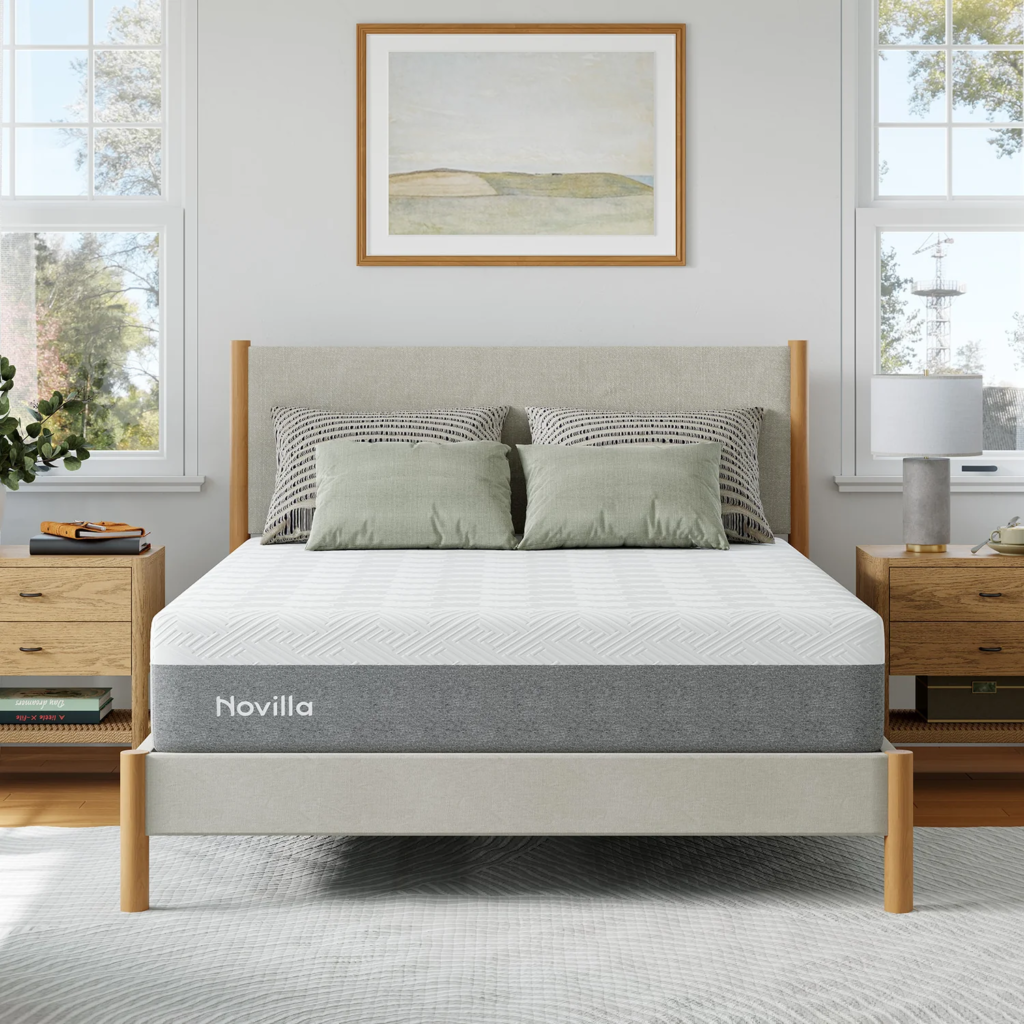
Waking up with a warm back, damp sheets, or the urge to turn the pillow over can make a full night’s sleep feel surprisingly difficult. Although room temperature often gets the blame, the mattress itself can influence how much heat builds up around the body. Its materials, surface construction, and ability to release warmth all affect how comfortable it feels after several hours in bed.
For people who prefer the space of a queen bed, finding the right balance between roominess and temperature comfort can take some thought. Cooling materials may help reduce that trapped, stuffy feeling, but they cannot control every source of nighttime heat. Understanding what a mattress can realistically change makes it easier to choose bedding, adjust the bedroom environment, and set reasonable expectations.
Why a Mattress Can Feel Warmer After Several Hours
A mattress may feel comfortable when someone first lies down and noticeably warmer later in the night. This happens partly because the body continues to release heat, while the mattress and bedding influence how quickly that warmth moves away from the sleeping surface. When heat and moisture have fewer ways to escape, the area around the body can begin to feel stuffy.
Memory foam is designed to respond to body weight and shape. That close contouring can create a comfortable, supported feeling, but it may also reduce the open space around the body compared with some less conforming surfaces. The result depends on the foam formulation, layer design, cover fabric, bedding, and bedroom conditions rather than on the word “memory foam” alone.
Heat retention is not the same as poor sleep quality
Feeling warm does not automatically mean a mattress is unsuitable or that it is the only reason for disturbed sleep. Some people naturally prefer a more enveloping surface, while others sleep more comfortably with less contouring. Personal temperature sensitivity, sleepwear, humidity, and changes in room conditions can all affect the experience.
It is useful to identify the pattern before replacing a mattress. If overheating happens mainly under heavy blankets, bedding may be the simplest place to start. If the room remains warm throughout the night, improving ventilation or adjusting the thermostat may help more than changing the mattress alone.
What Cooling Memory Foam Can Actually Do
Cooling technology is intended to improve the way a mattress manages warmth at its surface or within its comfort layers. Depending on the design, manufacturers may use gel-infused foam, more breathable fabrics, specially structured foam, or combinations of materials intended to support heat transfer. These approaches are not identical, and their effectiveness varies by construction.
For shoppers comparing a cooling memory foam mattress, the important question is how the complete mattress is designed rather than whether a product uses a particular cooling label. A cover that feels cool when touched may provide a different experience from a mattress designed to improve airflow through several layers.
Surface cooling and overnight comfort are different
A surface can feel cool at first contact without remaining cool throughout the night. Initial coolness is a sensory experience, whereas longer-term temperature comfort depends on how heat accumulates and moves away as the body stays in one position. A mattress that feels refreshing for the first few minutes may still become warm under sustained pressure.
For this reason, it is sensible to look beyond descriptions such as “cool to the touch.” Consider the overall layer construction, the type of cover, and whether the manufacturer explains how the materials are intended to work together. These details offer a more useful basis for comparison than a cooling claim on its own.
The Queen Size Factor: Space Matters, but It Is Not a Cooling Feature
A queen mattress is generally 60 inches wide and 80 inches long. This gives many couples more room than a full-size mattress while avoiding the larger footprint of a king. The extra space can make it easier for two people to find comfortable positions without constantly competing for the same part of the bed.
However, mattress dimensions do not directly determine how much heat the surface retains. A queen bed made with dense, closely contouring foam may feel warmer to a particular sleeper than a queen bed with a different construction. Likewise, a larger sleeping surface does not guarantee better airflow if heavy bedding, an enclosed bed base, or a warm room limits heat release.
Sharing a bed changes the experience
Two people sleeping together create more body heat in the same general area than one person sleeping alone. They may also have different temperature preferences: one person might want a thick comforter, while the other prefers a light sheet. In these situations, the mattress is only one part of the overall sleeping environment.
A practical option is to use separate lightweight blankets, allowing each person to choose a comfortable level of warmth. Couples can also assess whether their bedding traps heat or whether the room becomes warmer after the door and windows are closed. Small changes may improve comfort without requiring an immediate mattress replacement.
Foam Mattress Designed for Everyday Comfort
One example in this category is the Novilla Bliss Memory Foam Mattress, which uses a layered foam design and is offered in several thicknesses and sizes, including queen. The product page describes cooling and comfort foam layers intended to contour to the body and distribute pressure across areas such as the shoulders, hips, and back. This makes it relevant to shoppers comparing the feel of an all-foam mattress with their current sleeping surface. Its construction is worth considering alongside the room temperature, bedding, and personal comfort preferences that influence nighttime warmth. As with any mattress, the presence of cooling-oriented foam does not guarantee that every hot sleeper will remain cool all night.
What Cooling Materials Cannot Fix on Their Own
A mattress cannot remove heat from an entire bedroom or compensate for every environmental condition. If the room is hot and humid, the body may struggle to feel comfortable even on a surface designed with temperature management in mind. Poor ventilation, direct sunlight during the day, and heat-producing devices can also contribute to an uncomfortable sleeping space.
The bedding placed over the mattress matters as well. Thick comforters, fleece blankets, tightly layered quilts, and some synthetic fabrics can hold warmth close to the body. A cooling mattress may help with one part of the problem, but its performance can be undermined by layers that restrict heat and moisture from escaping.
Start with the easiest changes
Before investing in a new mattress, try changing one part of the sleep environment at a time. Lighter bedding may make an immediate difference during warm weather. Breathable sleepwear and regular room ventilation can also help, depending on local climate and humidity.
It is worth checking the bed base, too. Follow the mattress manufacturer’s requirements for support and spacing, especially if the mattress uses a foam construction. A suitable base helps the mattress function as intended, although changing the base should not be treated as a guaranteed solution to overheating.
How to Choose a Mattress Without Relying on Marketing Claims
When comparing mattress options, consider temperature comfort alongside firmness, pressure relief, movement, and the way you normally sleep. Side sleepers may prioritize cushioning around the shoulders and hips, while back sleepers often look for a balance between contouring and support. Individual needs vary, so no single construction is ideal for everyone.
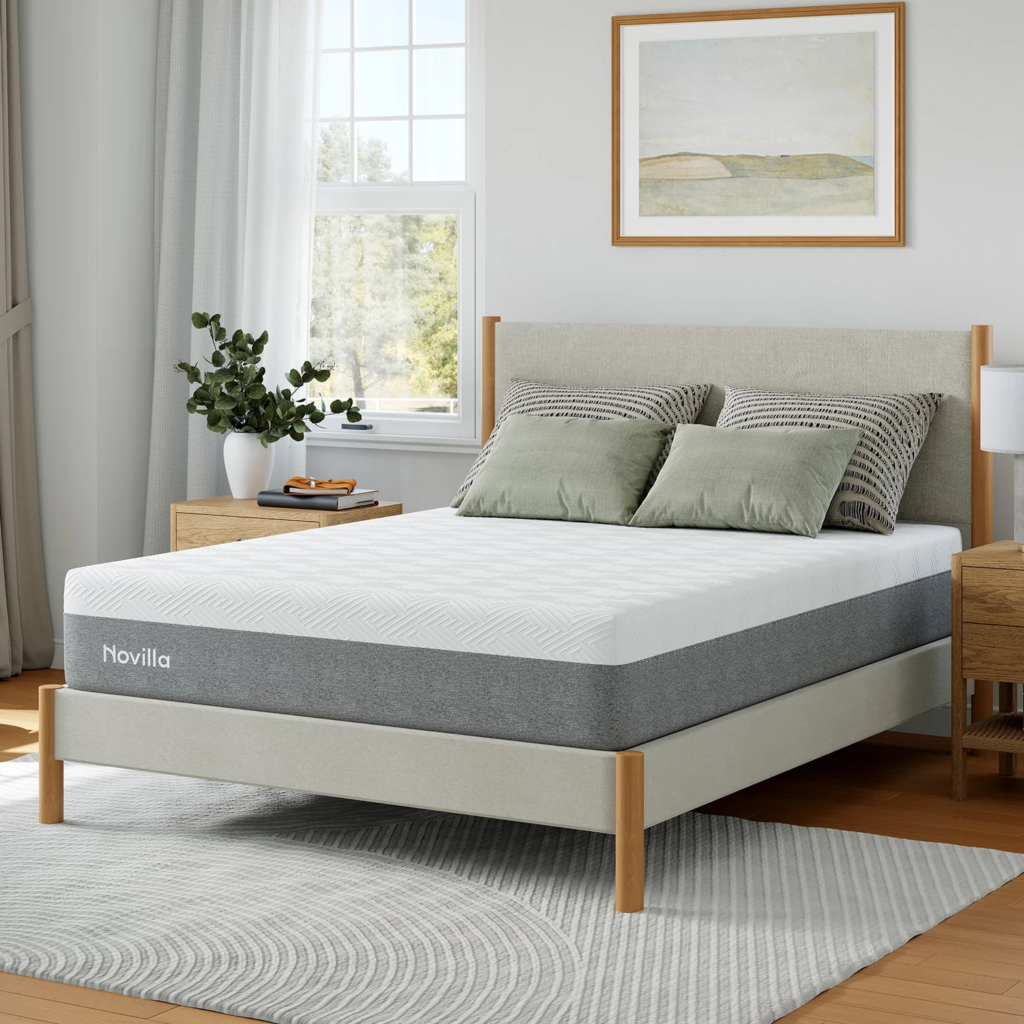
The queen size mattress options available from Novilla include both memory foam and hybrid designs. These categories offer different construction approaches: all-foam mattresses rely on foam layers, while hybrids combine foam comfort layers with a coil support system. Coil designs can create additional pathways for air movement within the mattress, but the overall result still depends on the materials, cover, and complete design.
Compare the details that affect daily use
Check the mattress dimensions against the bed frame and available bedroom space. Review the listed materials and firmness guidance, and look for clear explanations of the construction instead of assuming that all cooling mattresses work in the same way. If possible, consider how the mattress will feel with the sheets and blankets you already use.
Also review the seller’s trial, return, and warranty conditions before purchasing. These policies may have specific requirements and should not be interpreted as unlimited guarantees. A clear understanding of the terms helps you make a more informed decision if the mattress does not suit your comfort preferences.
Build a Cooler Sleep Routine Around the Mattress
A comfortable bed works best as part of a wider sleep environment. Keep the bedroom at a temperature that feels comfortable to you, use bedding appropriate for the season, and avoid adding unnecessary layers when the room is already warm. If outside conditions permit, ventilation may help prevent the room from becoming stuffy.
Pay attention to when the discomfort occurs. If you feel warm only after pulling up a thick comforter, changing the bedding may be enough. If heat builds up even with lightweight covers, consider the mattress surface, the room’s humidity, and whether your sleepwear is breathable. Observing these patterns helps narrow down the likely causes instead of assuming that one product change will solve everything.
The Realistic Answer to Sleeping Hot
Cooling memory foam can improve the experience for some sleepers by changing how the mattress feels and how its materials manage warmth. It cannot guarantee an uninterrupted cool sensation, control bedroom temperature, or eliminate the effects of heavy bedding and humidity. The result depends on the full construction of the mattress and the conditions in which it is used.
A queen mattress offers useful space for individuals and couples, but its size alone does not make it cooler. The most practical approach is to assess the mattress, bedding, room conditions, and personal preferences together. By making changes based on what actually causes the discomfort, hot sleepers can choose a setup that better suits their needs without expecting any single feature to do everything.
Other Articles You May Find of Interest...
- Sleeping Hot on a Queen Size Mattress: What Cooling Memory Foam Can and Cannot Change
- How to Work a Graveyard Shift Without Wrecking Your Sleep
- The 15-Minute Rule: How Long to Lie on a Mattress Before Deciding
- Why Is It So Hard To Get Out Of Bed? What Sleep Science Says
- Why Sleep Consistency Matters More Than Chasing the Perfect Night’s Sleep
- How Quality Bedding Can Help You Sleep Better
- What Does It Mean When Someone Dreams of You?





