






More Reviews Articles
Mushroom Gummies for Anxiety in 2026: Popular Products and What to Know
Disclosure: This article may contain sponsored content or affiliate links provided by third parties. Publication does not constitute an endorsement by Your Health Magazine.
Disclosure: This article was submitted by a third-party contributor and is published by Your Health Magazine for informational purposes. Your Health Magazine has not independently tested, reviewed, or verified product performance claims, user experiences, lab reports, or manufacturer statements. Your Health Magazine is not affiliated with the brands mentioned. Product links may be sponsored.
Interest in mushroom gummies has grown as consumers look for convenient products marketed for stress support, relaxation, focus, and general wellness. However, formulas vary widely, and products in this category may contain functional mushrooms, adaptogens, nootropic compounds, or proprietary blends that should be reviewed carefully before use.
This consumer guide discusses several widely marketed mushroom gummy products and summarizes publicly available product information, ingredient disclosures, lab-testing claims, and safety considerations. It is intended for educational purposes only and should not be considered medical advice, anxiety treatment guidance, or a product endorsement.
Mushroom Gummies and Anxiety: What to Know
Mushroom gummies are dietary supplements, not medications. Some are marketed for calm, relaxation, mood support, focus, or stress resilience, but they should not be used as a replacement for professional care, prescribed anxiety medication, therapy, or other treatment plans recommended by a qualified healthcare provider.
Some products contain only functional mushrooms such as lion’s mane, reishi, cordyceps, chaga, or turkey tail. Others include compounds such as L-theanine, 5-HTP, SAM-e, rhodiola, caffeine, or proprietary nootropic blends. These added ingredients matter because some may interact with medications, including antidepressants and other mood-related prescriptions.
Before trying any mushroom gummy, consumers should review the ingredient list, serving size, lab reports, medication warnings, and state shipping restrictions. Anyone who is pregnant, breastfeeding, taking prescription medication, managing a mental health condition, or unsure about an ingredient should consult a healthcare professional before use.
Popular Mushroom Gummy Products At a Glance
| Brand | General Positioning | Key Ingredients or Blend Type | Gummies/Pack | Price Range | Vegan |
| BudPop | Nootropic mushroom-style gummy | Proprietary mushroom/nootropic-style blend | 10 | $39.95 | Yes |
| Exhale Wellness | Nootropic mushroom-style gummy | Proprietary nootropic blend | 10 | $39.95 | Yes |
| TRE House | Nootropic and mood-support positioning | Lion’s Mane, 5-HTP, Rhodiola, and proprietary blend ingredients | 10 | $34.99 | Yes |
| Mojo Gummies | Focus and daily functional support | Cordyceps, Lion’s Mane, SAM-e, L-Theanine, caffeine, and other nootropic ingredients | 20 | $34.99 | Yes |
| Plant People | Functional mushroom wellness support | 10-mushroom fruiting body blend | 60 | $29.99 | Yes |
The table above is not a ranking. It is a summary of product features that consumers may want to compare before deciding whether any product fits their needs.
Popular Mushroom Gummy Products and Features
BudPop Sour Watermelon Magic Mushroom Gummies
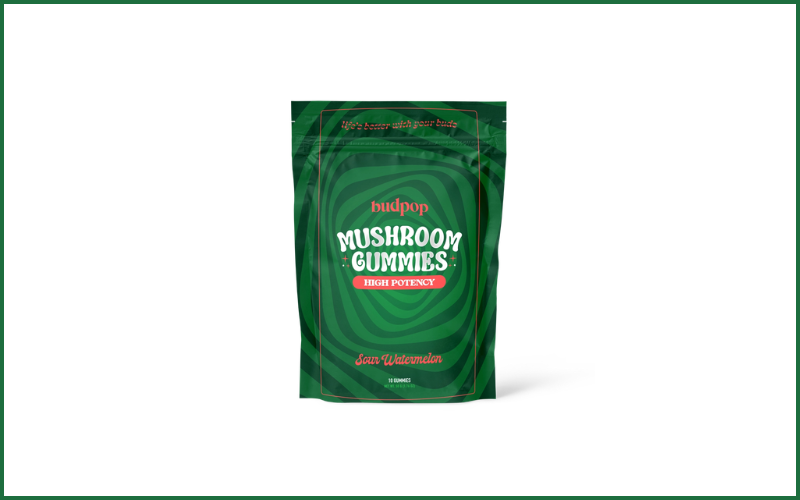
BudPop’s mushroom gummies are marketed as federally legal gummies made without psilocybin or controlled compounds. The product is promoted as a nootropic-style gummy and is sold in a sour watermelon flavor. The brand states that products are supported by batch-specific Certificates of Analysis from ISO-certified labs.
Key Product Details
- Ingredients: Proprietary mushroom/nootropic-style blend, plant-based ingredients, fruit pectin, natural fruit flavors, and natural colors
- Format: Pre-portioned gummies in a 10-count resealable bag
- Lab Testing: Brand states that batch-specific COAs are available from ISO-certified labs
- Legal Status: Marketed as federally legal and free of psilocybin; state shipping restrictions may apply
- Safety Notes: Consumers should review the label, product warnings, and any medication-related cautions before use
Potential advantages:
- Brand states that batch-specific lab reports are available
- Vegan-friendly pectin gummy format
- Clear product page and flavor information
- May appeal to consumers who want a nootropic-style gummy without psilocybin
Potential limitations:
- Not available in all states
- Proprietary blends may limit full ingredient-dose transparency
- Not intended to diagnose, treat, cure, or prevent anxiety or any other medical condition
May appeal to: Adults looking for a plant-based, nootropic-style mushroom gummy who are willing to review the COA, ingredient list, and state restrictions before purchasing.
Exhale Wellness Sour Watermelon Magic Mushroom Gummies
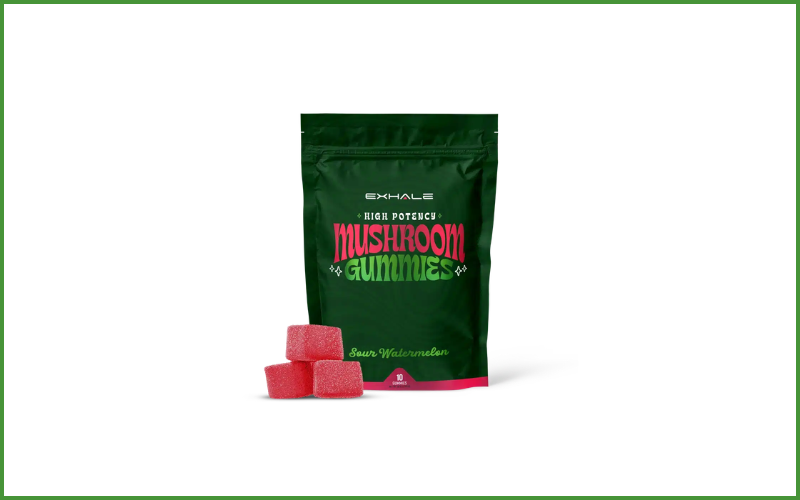
Exhale Wellness markets its sour watermelon mushroom gummies as a plant-based, nootropic-style product. The brand describes the formula as containing a proprietary nootropic blend and states that products are third-party tested for purity and potency.
Key Product Details
- Ingredients: Proprietary nootropic blend, plant-based ingredients, fruit pectin, natural fruit flavors, and natural colors
- Format: Gummies sold in a 10-count package
- Lab Testing: Brand states that products are third-party tested
- Guarantee: Brand advertises a money-back guarantee; consumers should review the exact refund terms before purchase
- Use Considerations: Consumers should follow the product label and avoid combining supplements with medications without medical guidance
Potential advantages:
- Vegan-friendly gummy format
- Brand states that the product is third-party tested
- Money-back guarantee may reduce purchase risk if terms are followed
- May appeal to consumers looking for a more relaxation-oriented nootropic gummy
Potential limitations:
- Proprietary blend may limit full dose transparency
- Effects and tolerance can vary widely
- Not a treatment for anxiety, panic attacks, depression, insomnia, or any medical condition
May appeal to: Adults comparing vegan mushroom-style gummies who want to review a third-party-tested product with a posted refund policy.
TRE House Mushroom Gummies
TRE House takes a different approach from some mushroom gummy brands by marketing a THC-free and cannabinoid-free product. Instead of psilocybin or THC, the formula uses a proprietary blend that may include nootropic and adaptogenic ingredients such as lion’s mane, 5-HTP, rhodiola, turkey tail, cordyceps, and chaga, depending on the product version.
Key Product Details
- Ingredient Type: Nootropic and adaptogenic-style formula
- Possible Ingredients: Lion’s mane, 5-HTP, rhodiola, turkey tail, cordyceps, chaga, and proprietary blend components
- Legal Positioning: Marketed as THC-free, cannabinoid-free, and free of controlled substances
- Flavor Options: Multiple flavors may be available depending on current product offerings
- Shipping: Some state restrictions may apply and should be checked before ordering
Potential advantages:
- May appeal to consumers avoiding THC or cannabinoids
- Multiple flavor options
- Brand states that products are third-party lab tested
Potential limitations:
- Proprietary blend may make exact ingredient amounts difficult to assess
- 5-HTP and similar ingredients may interact with some medications
- State shipping restrictions may apply
May appeal to: Adults seeking a nootropic-style gummy without THC, cannabinoids, or psilocybin who are willing to review the full ingredient list and medication warnings.
Mojo Gummies
Mojo Gummies are functional mushroom and nootropic gummies marketed for focus, brain fog, and daily mental performance. Some versions include ingredients such as cordyceps, lion’s mane, SAM-e, L-theanine, Panax ginseng, delayed-release caffeine, and other nootropic compounds.
Key Product Details
- Ingredient Type: Functional mushroom and nootropic formula
- Possible Ingredients: Cordyceps, lion’s mane, SAM-e, L-theanine, Panax ginseng, caffeine, and proprietary blends
- Format: Gummy supplement
- Important Caution: SAM-e may interact with SSRIs, SNRIs, MAOIs, and other mood-related medications
- Caffeine Note: Some formulas contain caffeine and may not be suitable for caffeine-sensitive individuals
Potential advantages:
- May appeal to people comparing focus-oriented mushroom/nootropic gummies
- Gummy format may be easier for people who dislike capsules or powders
- Includes functional mushroom ingredients commonly used in cognitive-support supplements
Potential limitations:
- Contains ingredients that may not be appropriate for people taking antidepressants or other psychiatric medications
- Caffeine-containing formulas may worsen jitteriness in sensitive users
- Not appropriate as a substitute for anxiety treatment or professional mental health care
May appeal to: Adults looking at focus-oriented functional mushroom products who are not sensitive to caffeine and who have reviewed potential medication interactions.
Plant People WonderDay Mushroom Gummies
Plant People WonderDay gummies are positioned as a functional mushroom wellness supplement. The formula is described as containing a 10-mushroom blend made from fruiting body extracts, with species such as lion’s mane, cordyceps, reishi, chaga, maitake, turkey tail, shiitake, wood ear, white button, and royal sun mushroom.
Key Product Details
- Mushroom Blend: 10-mushroom fruiting body blend
- Possible Species: Lion’s mane, cordyceps, reishi, chaga, maitake, turkey tail, shiitake, wood ear, white button, and royal sun
- Format: Gummy supplement
- Positioning: General wellness and daily functional mushroom support
- Ingredient Note: Consumers should review added sugars, flavorings, and serving size before purchase
Potential advantages:
- Uses a broad functional mushroom blend
- May appeal to consumers looking for general mushroom wellness support
- Gummy pouch format may be convenient for daily routines
Potential limitations:
- More of a general wellness product than a targeted anxiety product
- Effects, if any, are likely to be gradual and vary by user
- Not a replacement for mental health care, therapy, or medication
May appeal to: Adults looking for a broad functional mushroom gummy as part of a general wellness routine.
What to Consider Before Buying Mushroom Gummies
Because mushroom gummies vary widely, consumers should look beyond flavor and marketing claims. The most important factors are transparency, safety, and realistic expectations.
- Ingredient transparency: Look for clear disclosure of mushroom species, extract ratios, active ingredients, and serving size. Proprietary blends can make it difficult to assess the formula.
- Third-party testing: Batch-specific COAs are preferable to generic lab reports. Testing should address potency, heavy metals, pesticides, and other contaminants when applicable.
- Fruiting body vs. mycelium: Fruiting body extracts are often preferred by consumers seeking higher concentrations of compounds such as beta-glucans and triterpenes.
- Medication warnings: Products containing SAM-e, 5-HTP, rhodiola, caffeine, or similar compounds may not be appropriate for everyone, especially people taking antidepressants or other mood-related medications.
- No cure claims: Avoid brands that claim to cure anxiety, depression, insomnia, or other medical conditions.
- State restrictions: Some products may have shipping restrictions even if they are marketed as federally legal.
How Mushroom Gummies May Support Stress and Wellness
Some ingredients used in mushroom gummies are commonly discussed in relation to stress response, cognitive support, relaxation, and general wellness. However, the evidence varies by ingredient, dose, extract quality, and individual health status.
Reishi is often discussed for stress-response support and immune-related wellness. Some preclinical research has explored compounds in reishi, but supplement products should not be treated as anxiety medications.
Lion’s Mane is commonly included in cognitive-support supplements. It is often discussed in relation to nerve growth factor and brain health, though product-specific effects vary and more research is needed.
Cordyceps is often marketed for energy, stamina, and fatigue support. For some consumers, energy and stress perception are linked, but cordyceps should not be viewed as a treatment for anxiety.
L-Theanine is a non-mushroom ingredient sometimes included in relaxation-focused formulas. It is commonly associated with calm alertness, but it can still affect people differently.
Adaptogens such as ashwagandha and rhodiola are often used in stress-support supplements. They may not be appropriate for everyone, especially people with certain medical conditions or medication regimens.
The key point is that mushroom gummies may support general wellness for some adults, but they should not be presented or used as a cure, treatment, or replacement for professional care.
How to Use Mushroom Gummies Safely
Use instructions vary by product, so consumers should always follow the label and avoid exceeding the manufacturer’s recommended serving. More is not necessarily better, especially when products include caffeine, SAM-e, 5-HTP, or other active compounds.
- Start conservatively: If a product allows a lower serving, start with the lowest reasonable amount and assess tolerance.
- Review medication interactions: Consult a healthcare professional before using products containing serotonergic ingredients such as SAM-e or 5-HTP if you take antidepressants or other psychiatric medications.
- Avoid combining with alcohol or sedatives: Combining supplements with alcohol, sleep aids, or sedating substances may increase side effects.
- Check the COA: Verify that lab reports are current and match the specific product or batch when possible.
- Stop if adverse effects occur: Discontinue use and seek medical guidance if you experience concerning symptoms.
Other Possible Benefits of Mushroom Gummies
Mushroom gummies are often marketed for multiple areas of wellness, depending on the ingredients included. Consumers can learn more about general mental, physical, and emotional benefits discussed in relation to mushroom gummies, but individual results vary and claims should be evaluated carefully.
- Immune support: Functional mushrooms such as reishi, chaga, and turkey tail are often discussed for beta-glucan content and immune-related wellness.
- Cognitive support: Lion’s mane is often included in products marketed for focus, memory, and mental clarity.
- Energy support: Cordyceps is commonly marketed for energy and endurance support.
- Stress support: Some formulas include reishi, rhodiola, ashwagandha, L-theanine, or similar ingredients marketed for relaxation or stress response.
- Convenience: Gummies are pre-portioned and portable, which may make them easier to use consistently than powders or capsules.
Frequently Asked Questions About Mushroom Gummies and Anxiety
Are mushroom gummies a treatment for anxiety?
No. Mushroom gummies are dietary supplements and should not be used as a treatment for anxiety disorders, panic attacks, depression, insomnia, or any other medical condition. Anyone experiencing ongoing anxiety should speak with a qualified healthcare professional.
Are mushroom gummies safe for daily use?
Some functional mushroom gummies may be appropriate for daily use by healthy adults when taken as directed, but safety depends on the specific ingredients, dose, and individual health history. Products containing SAM-e, 5-HTP, caffeine, rhodiola, or other active compounds require extra caution.
How long do mushroom gummies take to work?
Timing varies by formula. Some users report noticing effects within a single session, while others only notice changes after consistent use. Any perceived effects should be considered individual and not guaranteed.
Do mushroom gummies show up on drug tests?
Functional mushrooms such as lion’s mane, reishi, cordyceps, and chaga are not typically screened for on standard drug tests. However, consumers should review the full ingredient list for any additional compounds and verify that the product does not contain THC, psilocybin, or other restricted substances.
Can I take mushroom gummies with anxiety medication?
Do not combine mushroom gummies or nootropic supplements with prescription anxiety medication, antidepressants, SSRIs, SNRIs, MAOIs, sedatives, or similar medications without medical guidance. Ingredients such as SAM-e and 5-HTP may interact with serotonin-related medications.
What is the difference between fruiting body and mycelium?
The fruiting body is the visible mushroom structure. Mycelium is the root-like network that grows before mushrooms form. Some consumers prefer fruiting body extracts because they may provide higher concentrations of certain mushroom compounds, though quality also depends on species, extraction method, testing, and dose.
How many mushroom gummies should I take?
Follow the specific product label. Serving size varies by brand and formula. Do not exceed the recommended serving, and consult a healthcare professional if you are unsure whether a product is appropriate for you.
Are mushroom gummies legal?
Functional mushroom gummies made with legal mushrooms such as lion’s mane, reishi, cordyceps, chaga, and turkey tail are generally sold as dietary supplements. However, products containing additional compounds may face state-level restrictions. Always review the ingredient list and shipping policy before purchasing.
Final Thoughts on Mushroom Gummies and Stress Support
Mushroom gummies are not a magic fix for anxiety, and responsible brands should not present them that way. At most, they may be a supportive wellness tool for some adults when used appropriately, with attention to ingredients, testing, medication interactions, and realistic expectations.
For consumers comparing products, the most important questions are simple: What is in the formula? Are the doses disclosed? Is there a current third-party COA? Are medication warnings clearly stated? Does the brand avoid disease-treatment claims?
Products such as BudPop and Exhale Wellness are examples of widely marketed mushroom-style gummies consumers may encounter, but they should be evaluated carefully like any other supplement. The right choice depends on the user’s health status, ingredient tolerance, medication use, budget, and wellness goals.
Disclaimer: This article is for informational purposes only and does not constitute medical advice. Mushroom gummies and dietary supplements are not intended to diagnose, treat, cure, or prevent anxiety, depression, insomnia, or any other disease. Consult a qualified healthcare professional before using any supplement, especially if you take prescription medication, are pregnant or breastfeeding, have a medical condition, or have concerns about anxiety or mental health.
Other Articles You May Find of Interest...
- P Protect Reviews – Men’s Wellness Patches For Prostate Support and Urinary Comfort
- OnyGuard Anti-Fungal Pen Reviews 2026 – Legit Nail Care Product Or Overhyped?
- DirectMeds ED Reviews 2026 – Is DirectMax A Real Alternative To Standard ED Pills?
- Soda Steel Reviews 2026 – Legit Daily Energy Support or Overhyped Supplement?
- Is Rich Diet App Legit? Subscription, Support, and How to Cancel
- GLP-Star App Review 2026: A GLP-1 Meal Plan for Real Life
- Decamen App Review 2026: Military Calisthenics Workouts for Busy Men





