Luxe Rehab Physical Therapy
Luxe Rehab Physical Therapy
19465 Deerfield Avenue
Suite #208
Leesburg, VA 20176
571-580-0220
More Physical Therapy Articles
Move Better, Feel Better: Three Physical Therapy Techniques For Pain Relief
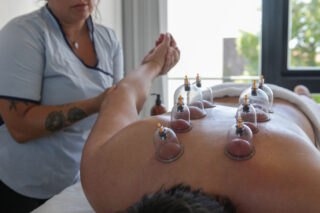
The beginning of a new year often inspires people to become more active, improve their fitness and prioritize their health. However, lingering injuries, chronic muscle tension and joint pain can make achieving these goals difficult. In addition to therapeutic exercise and hands-on treatment, physical therapists may incorporate specialized techniques such as dry needling, cupping and deep tissue laser therapy to help manage pain and improve mobility.
Dry needling involves inserting thin, sterile needles into specific areas of muscle tissue, often targeting sensitive knots known as myofascial trigger points. These points can contribute to localized pain, referred pain, muscle tightness and restricted movement.
Unlike traditional acupuncture, dry needling is generally guided by musculoskeletal anatomy and the assessment of muscle function. No medication is injected during the procedure.
Dry needling may help individuals experiencing neck and back pain, tension-related headaches, sports injuries and persistent muscle tightness. Some patients experience reduced discomfort and improved range of motion following treatment, although temporary muscle soreness may occur.
Cupping therapy, also known in physical therapy as myofascial decompression, uses specialized cups to create controlled suction against the skin. Unlike massage, which applies pressure to soft tissues, cupping gently lifts the skin and underlying superficial tissues.
Physical therapists may combine cupping with stretching or active movement to address muscle tension and improve mobility. It may provide short-term pain relief for individuals experiencing back and shoulder discomfort, repetitive-use injuries or exercise-related muscle soreness.
Temporary circular skin discoloration is common following treatment and typically fades over several days. Research into the long-term effectiveness of cupping remains ongoing.
Deep tissue laser therapy uses concentrated red and near-infrared light to interact with tissues through a process known as photobiomodulation. This process influences cellular activity and may help reduce pain and inflammation associated with certain musculoskeletal conditions.
Laser therapy is noninvasive and may be incorporated into rehabilitation programs for arthritis-related discomfort, tendon injuries, muscle strains and other painful conditions. Patients may experience a gentle warming sensation during treatment. Protective eyewear is required when using high-powered therapeutic lasers.
While these techniques may help manage symptoms, they are generally most beneficial when incorporated into an individualized rehabilitation program that includes strengthening, stretching and movement-based exercises.
A physical therapist can evaluate underlying movement limitations, review medical history and determine which treatments are appropriate. Addressing pain and mobility concerns early can help individuals work toward a more comfortable, active and physically independent year.
Other Articles You May Find of Interest...
- Move Better, Feel Better: Three Physical Therapy Techniques For Pain Relief
- Finding the Right Physical Therapy Near Me for Personalized Care
- Before You Trade In Your Knee Fora New Model…
- Physiotherapy or Osteopathy: How to Know What Your Body Actually Needs
- How Physiotherapy Can Help With Sciatica and Leg Pain
- The Role of Physical Therapy in Preventing Chronic Pain
- Movement Is a Lifelong Responsibility