






More Pain Management & Rehabilitation Articles
Recovering from an ATFL Tear: Essential Insights for Effective Healing
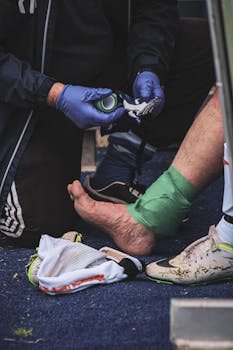
If you’ve ever taken a misstep and noticed your ankle swelling and turning red, you may have suffered from an anterior talofibular ligament (ATFL) tear. This common injury occurs in the ankle and often results from sudden twists or rolls of the foot. Understanding the healing process is crucial for effective recovery, but misconceptions about treatment can lead to prolonged pain and discomfort.
Path to Recovery from an ATFL Tear
Once diagnosed with an ATFL tear, one might face different treatment paths ranging from conservative to surgical. Initially, the RICE method (Rest, Ice, Compression, Elevation) is often recommended alongside advice from a healthcare provider. Partial weight-bearing and physical therapy are essential steps as they help regain strength and mobility in the ankle. Exercise restrictions may be needed to prevent further injury.
For some people, the road to recovery might also include using assistive devices like an ankle brace or crutches. It’s crucial to follow a tailored rehabilitation protocol that gradually introduces weight-bearing exercises, balancing activities, and stretching. Your doctor can help determine the most appropriate exercise regimen based on the severity of the tear.
When to Seek Care
If you experience severe pain, swelling, or inability to bear weight following an ankle injury, it’s essential to consult a healthcare provider immediately. An orthopedic specialist or a sports medicine physician can assess the extent of the injury and recommend a suitable treatment plan. Ongoing symptoms like instability and persistent pain should also prompt a visit to a professional, as these may indicate complications.
Medications and Pain Management
Managing discomfort from an ATFL tear might involve standard over-the-counter pain relief medications, such as ibuprofen or acetaminophen. These can help reduce inflammation and pain, but it’s important to use them as directed and consult with a healthcare provider if pain persists. Your doctor can discuss the potential side effects and interactions with other medications you may be taking.
It’s crucial to monitor how effective these medications are and whether they provide the expected relief during recovery, offering feedback to your healthcare provider. Sudden changes in pain levels or side effects such as stomach pain should be reported immediately, as they may indicate a need to revisit your pain management plan.
Continuing Activities and Lifestyle Adjustments
Returning to daily activities after an ATFL tear might require modifications. Avoid high-impact exercises and sports until your healthcare provider gives the go-ahead. Focus on low-impact activities like cycling or swimming that can keep you active without risking further injury. Wearing supportive footwear and using ankle stabilizers during physical activities can also bolster protection against further injuries.
Implementing a weight management plan can also support recovery. If you’re looking for ways to manage your weight effectively while recovering from an injury, please visit our article on safe and effective weight loss approaches.
Supportive Therapies and Alternatives
Some studies suggest that complementary treatments such as massage therapy, acupuncture, or certain supplements may help in managing pain and promoting healing. Physical therapy remains an essential part of rehabilitation, and therapists might incorporate these techniques as part of a comprehensive treatment plan. However, individual results vary, so it’s best to discuss any alternative treatments with a healthcare provider to ensure they complement your prescribed recovery strategy.
Takeaways
- An ATFL tear is a common ankle injury resulting from sudden movements or trauma.
- Initial treatments involve rest, ice, and gradual reintroduction of movement.
- Consult a healthcare provider if you experience severe symptoms or persistent pain.
- Pain management should be discussed with a healthcare professional to avoid complications.
- Supportive therapies like physical therapy and weight management can aid recovery.
Common Questions
What should I do if my ankle doesn’t improve?
If your symptoms do not improve with initial treatments like rest and over-the-counter medication, schedule an appointment with an orthopedic specialist. They may recommend imaging tests or additional therapies to aid recovery.
Can I prevent an ATFL tear?
While not all injuries are preventable, maintaining strong musculature around the ankle, balancing exercises, and wearing appropriate footwear during physical activities can reduce your risk of an ATFL tear.
How long does recovery from an ATFL tear take?
Recovery time varies based on severity, typically ranging from a few weeks for minor tears to several months for severe cases. Consistent rehabilitation and following your healthcare provider’s guidance are key to timely recovery.
Do I need surgery for an ATFL tear?
Most ATFL tears heal with conservative treatments, but severe or recurring tears might require surgical intervention. Your orthopedic specialist will guide you on the best course of action based on your specific situation.
Where can I learn more about keeping my joints healthy?
For broader health information, including joint care, you can visit MedlinePlus for research-backed guidance and resources.
Recovering from an atfl tear involves understanding the injury, following a well-structured rehabilitation plan, and staying informed about effective lifestyle strategies to prevent future incidents.
Other Articles You May Find of Interest...
- Mild Degenerative Changes of the SI Joints: What the Report Means
- When Can You Climb Stairs After Patella Fracture Surgery?
- What to Do If You Think You Have a Broken Tailbone
- Closed Reduction With External Fixation: How It Stabilizes a Fracture
- Knee Massager for Muscle Tension Around the Knee What You Need to Know
- What Life Really Looks Like a Year After Spine Surgery
- Gout or Bursitis? Why Joint Swelling Can Look the Same





