More Pain Management & Rehabilitation Articles
Optimal Ketamine Dosing Strategies for Sedation in Adults
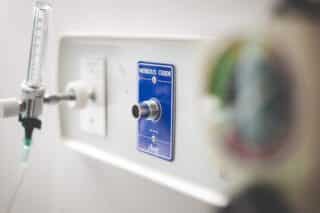
Imagine a busy emergency room where time is of the essence, and clarity on medication dosing is paramount. In such settings, ketamine is commonly used as a sedative for adults owing to its rapid action and reliable effects. But what is the optimal ketamine dose for sedation in adults? This question is crucial since understanding dosing can enhance the effectiveness of medical procedures and improve patient safety.
Factors Influencing Ketamine Dosing
Determining the right dose isn’t a one-size-fits-all scenario. Several factors come into play when deciding the ketamine dose for sedation in adults. Body weight, medical history, and the procedure’s nature are among the top considerations. Clinicians often start with a low dose to gauge patient response and adjust as necessary.
Administering Ketamine for Effective Sedation
Ketamine’s administration route significantly impacts its effect. For most adults, intravenous is the preferred method, offering rapid onset and precision in dosing. Intramuscular injections are another option, though they generally require a higher dose.
Timing and Context in Sedation
The timing of ketamine administration plays a crucial role. Administering it during the pre-operative phase allows for a smoother transition into sedation. Additionally, understanding the procedure’s length can help in planning whether a continuous infusion or repeated dosing is necessary.
Safety Considerations with Ketamine Use
Like any medication, ketamine comes with safety considerations. Monitoring during and after administration is essential to address any potential adverse effects, such as changes in heart rate or blood pressure. Some studies suggest that using ketamine in a controlled environment minimizes risks substantially.
When to Seek Care
If adverse symptoms like confusion or agitation occur, or if there’s uncertainty about the right dosing, it’s crucial to consult a healthcare professional. An anesthesiologist or emergency medicine physician is well-equipped to address these concerns and make necessary adjustments.
Anyone curious about the relationship between medication and dependency issues might find this resource insightful.
Real-World Expectations with Ketamine
In a clinical setting, one might wonder whether to stop other medications before starting ketamine. Generally, other sedatives or anesthetics are temporarily halted to monitor ketamine’s specific effects. Patients and healthcare providers should discuss any potential drug interactions in advance.
As for side effects, most are transient, but being aware of them helps manage any immediate concerns. Common symptoms include dizziness or mild hallucinations. Clinicians can offer ways to alleviate these if they persist.
Takeaways
- Optimal dosing of ketamine is influenced by factors like body weight and medical history.
- Intravenous administration is most common due to its rapid action.
- Safety monitoring is essential to handle any adverse effects during sedation.
- Consultation with a healthcare professional is advised if adverse symptoms occur.
- Interruption of other medications may be necessary to gauge ketamine’s standalone effects.
Common Questions
How soon should one expect ketamine to take effect?
Ketamine administered intravenously usually takes effect within minutes, making it highly effective for rapid sedation needs.
What should patients discuss with their doctors before using ketamine?
Patients should discuss their full medical history, any other current medications, and any known allergies to anesthetics.
Are there long-term effects associated with ketamine sedation?
While ketamine is generally safe, long-term or repeated use should be monitored by a healthcare provider to prevent potential side effects or dependency.
Does ketamine interact with other common medications?
Yes, ketamine can interact with sedatives, anesthetics, and certain antidepressants. Consult a clinician about your specific medication regimen.
Where can I find more information on ketamine and its uses?
For comprehensive health-related information, visit MedlinePlus.
In conclusion, the right ketamine dose for sedation in adults is a balance of science and clinical nuance, tailored to each patient’s unique profile and circumstances.
Other Articles You May Find of Interest...
- What to Do If You Think You Have a Broken Tailbone
- Closed Reduction With External Fixation: How It Stabilizes a Fracture
- Knee Massager for Muscle Tension Around the Knee What You Need to Know
- What Life Really Looks Like a Year After Spine Surgery
- Gout or Bursitis? Why Joint Swelling Can Look the Same
- Broken Kneecap Recovery: How Long Healing Usually Takes
- The Thumb Grind Test: What Pain During It Can Mean