More Pain Management & Rehabilitation Articles
How a Rehabilitation Center in Dubai Helps Patients Recover Faster
Have you ever watched someone you care about struggle to get back on their feet after a surgery, injury, or serious illness, and wished there was a faster way to help them through it?
Recovery can feel like an uphill process, but the right support changes everything. That is exactly where a rehabilitation center steps in. Dubai has become home to some of the most advanced rehabilitation facilities in the region.
These centers bring together expert teams, modern techniques, and personalized care plans that help patients regain their strength, mobility, and independence in far less time than rest alone could achieve.
What a Rehabilitation Center Actually Does
A rehabilitation center is a specialized medical facility focused on helping patients recover their physical, cognitive, and emotional functioning after an illness, injury, or surgical procedure. It is not simply a place where you do a few exercises and go home.
Think of it as a hub where doctors, physiotherapists, occupational therapists, speech therapists, nutritionists, and psychologists all work together as one coordinated team. Every professional contributes to a single goal: getting the patient back to their normal life as quickly and safely as possible.
Treating a Wide Range of Conditions
Rehabilitation centers in Dubai care for patients recovering from many types of conditions, including:
- Orthopedic injuries and joint replacements
- Strokes and neurological conditions
- Spinal cord injuries
- Cardiac and respiratory conditions
- Sports injuries
- Post-surgical recovery
Each of these conditions requires a completely different recovery approach, and a trained rehabilitation team knows exactly how to tailor care to what each individual patient needs.
Personalized Treatment Plans
One of the most impactful things a rehabilitation center does is create an individualized recovery plan for every patient. Before any treatment begins, specialists conduct a thorough assessment of the patient’s condition, physical ability, and personal goals.
From there, they map out a program with clear, measurable milestones. This keeps recovery focused and intentional from the very first session rather than following a generic, one-size-fits-all approach.
The Therapies That Speed Up Recovery
Rehabilitation centers use a combination of techniques and therapies to help patients regain function faster than rest alone could ever achieve. The range of treatments available today is broader and more effective than most people realize.
Physiotherapy and Movement-Based Therapy
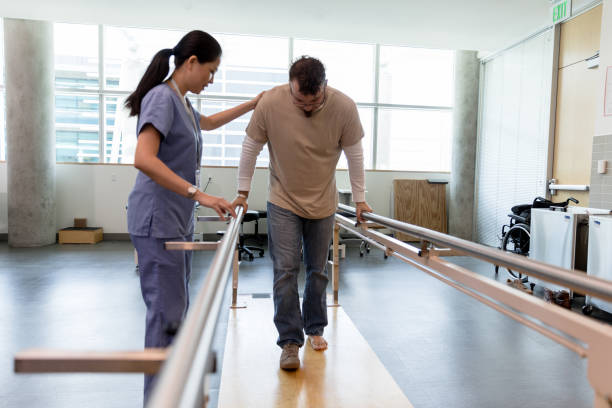
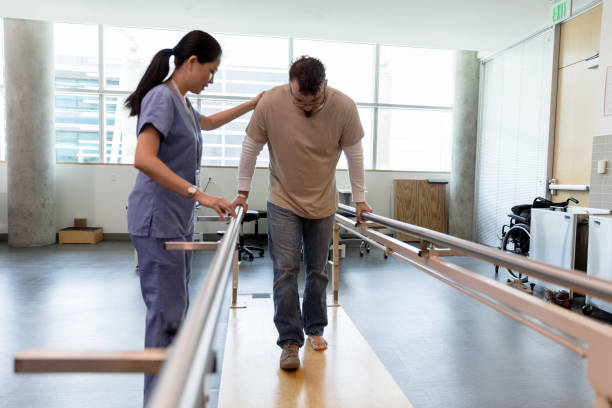
Physiotherapy is at the heart of most rehabilitation programs. It involves structured exercises, manual therapy, and movement training that rebuild muscle strength, restore joint flexibility, and improve balance and coordination.
Techniques like electrical stimulation, therapeutic ultrasound, heat and cold therapy, and dry needling are commonly used alongside exercise to reduce discomfort and support tissue healing. Patients progress through clear stages, beginning with gentle movement and building steadily toward full functional activity.
Occupational Therapy
Occupational therapy focuses on helping patients perform the practical tasks of daily life independently again. This includes things like dressing, cooking, writing, and using everyday tools. Therapists retrain the patient’s ability to complete these activities, adapting techniques and tools where needed.
For patients recovering from strokes or brain injuries, occupational therapy is particularly valuable because it rebuilds both cognitive and motor function at the same time.
Speech and Language Therapy
Recovery from a stroke, brain injury, or certain neurological conditions can sometimes affect a person’s ability to speak, swallow, or process language. Speech therapy addresses these challenges directly, helping patients regain communication skills and safe swallowing function.
This type of therapy often has a deeply meaningful impact on a patient’s confidence and willingness to engage socially during their recovery, which itself supports faster overall progress.
The Role of a Multidisciplinary Team
One of the strongest reasons patients at a rehabilitation center dubai recover faster is the presence of a full, coordinated team working in unison. A multidisciplinary approach means no part of a patient’s recovery is handled in isolation.
Doctors, therapists, nurses, and support staff communicate regularly to review each patient’s progress and adjust the plan as needed. If one area of recovery moves faster than expected, the team can shift its focus accordingly. If a new challenge arises, they respond quickly without the patient losing momentum.
Continuous Progress Monitoring
Rehabilitation teams track patient progress at every stage of recovery. Regular assessments measure how much strength, mobility, or cognitive function has returned since the last checkpoint. These reviews keep the treatment plan accurate and ensure patients are always working at the right level for where they currently are.
Patients and their families are kept informed throughout the process. Understanding what is happening and why builds confidence and encourages active participation, both of which contribute meaningfully to faster recovery.
Patient and Family Education
Recovery does not stop when a therapy session ends. Rehabilitation centers train patients to perform home exercises safely and teach families how to actively support recovery between appointments.
This continuity creates real results. Patients who practice consistently at home tend to see faster improvements than those who only work on recovery during clinic visits.
How Dubai’s Rehabilitation Facilities Stand Out
Dubai has invested significantly in its healthcare infrastructure, and rehabilitation services reflect that commitment. Facilities here are staffed by internationally trained specialists and equipped with advanced technology that supports a wide range of treatment approaches.
The multicultural environment in Dubai also means rehabilitation teams are experienced in working with patients from many different backgrounds. Care is adapted to the individual, taking into account lifestyle, physical condition, and personal goals throughout the entire program.
Advanced Technology in Rehabilitation
Modern rehabilitation centers in Dubai use tools like robotic-assisted therapy devices, electrotherapy equipment, and computerized balance and gait training systems. These technologies allow therapists to deliver more precise and targeted treatment, which often leads to measurable improvements in a shorter amount of time.
Patients recovering from neurological conditions benefit especially from technology-assisted therapy, which stimulates nerve pathways and accelerates the relearning of movement patterns in a way that manual therapy alone cannot replicate.
Holistic Support for Full Recovery
Physical recovery is just one part of the picture. Many patients also need psychological and nutritional support during their healing process. Rehabilitation centers address this by including mental health professionals and clinical dietitians as active members of the care team.
Emotional well-being and proper nutrition both play a significant role in how quickly and how fully a patient recovers. Addressing all of these areas together leads to far better outcomes than treating the physical condition in isolation.
Recovery Is Always a Team Effort
Recovering from an injury, surgery, or illness takes time, patience, and the right support system around you. A well-structured rehabilitation program removes the guesswork, surrounds the patient with skilled professionals, and gives the body and mind exactly what they need to heal effectively.
With a dedicated team, a personalized plan, and access to advanced therapies, patients in Dubai are in an excellent position to recover stronger, more capable, and faster than they might have thought possible.
Other Articles You May Find of Interest...
- What to Do If You Think You Have a Broken Tailbone
- Closed Reduction With External Fixation: How It Stabilizes a Fracture
- Knee Massager for Muscle Tension Around the Knee What You Need to Know
- What Life Really Looks Like a Year After Spine Surgery
- Gout or Bursitis? Why Joint Swelling Can Look the Same
- Broken Kneecap Recovery: How Long Healing Usually Takes
- The Thumb Grind Test: What Pain During It Can Mean