






More Mental Health Articles
The Role of Holistic Therapy in Addiction and Mental Health Treatment
Modern medicine has made extraordinary advances in treating physical disease. We can diagnose with remarkable precision, intervene in acute crises, and manage conditions that previous generations could scarcely imagine surviving. Yet despite these achievements, societies across the world continue to face growing challenges related to addiction, anxiety, depression, burnout, and emotional distress.
These conditions are rarely isolated. They affect families, communities, workplaces, and often ripple across generations. Contemporary research increasingly recognises that addiction and mental health challenges emerge through a complex interaction of biological, psychological, social, and environmental influences. While medical treatment remains an essential component of recovery, there is increasing recognition that many of today’s most pervasive health challenges require a broader and more integrated approach.
Holistic therapy invites us to look beyond symptoms and consider the wider conditions that shape health. Physical wellbeing, emotional resilience, relationships, environment, lifestyle, and purpose are deeply interconnected. When these dimensions are addressed together, recovery becomes not simply the management of illness, but the cultivation of wellbeing.

Understanding the Roots of Addiction
Addiction is often misunderstood as simply a failure of willpower or self-control. Modern addiction science paints a far more nuanced picture. Genetic predisposition, early life experiences, trauma, stress, social environment, and psychological factors can all contribute to vulnerability. Recovery therefore requires more than stopping a behaviour; it often involves addressing the conditions that gave rise to it.
Contemporary research and clinical experience tell a very different story. Substance dependence, behavioural addictions, compulsive habits, and self- destructive coping mechanisms frequently emerge as responses to deeper emotional pain. Trauma, chronic stress, loneliness, grief, anxiety, unresolved childhood experiences, social disconnection, and a lack of meaning can all contribute to addictive behaviours.
The addictive substance or behaviour may temporarily provide relief, distraction, stimulation, or a sense of control. Over time, however, the underlying causes often remain unresolved. This is where a holistic approach to addiction recovery can offer significant value. By exploring the emotional, psychological, relational, and physiological factors contributing to addiction, practitioners can help individuals understand not only what they are doing, but why they are doing it. This deeper awareness becomes an important foundation for sustainable recovery.
The Growing Mental Health Crisis

Alongside addiction, mental health challenges have become one of the defining health concerns of our time. Many people live in a state of chronic stress, moving from one demand to the next with little opportunity to pause, reflect, or recover. While stress is a natural part of life, prolonged stress places a burden on both body and mind.
Despite unprecedented advances in technology and convenience, many people report feeling increasingly disconnected, from themselves, from others, and from a meaningful sense of purpose. This disconnection often sits quietly beneath the surface of anxiety, burnout, emotional exhaustion, and other forms of distress.
As is often emphasised within integrated approaches to health, emotional wellbeing cannot be separated from physical health.. The body and mind are in constant conversation. What we experience emotionally inevitably influences how we feel physically, just as physical health affects our emotional state.
Conventional mental health treatments remain essential, but lasting wellbeing often requires us to look beyond symptoms alone. The goal is not merely to reduce distress, but to cultivate greater awareness, resilience, and a healthier relationship with ourselves and the challenges of everyday life.
Why Integrated Medicine Matters
One of the most encouraging shifts in healthcare is a growing willingness to move beyond either-or thinking. The choice is no longer between medicine or lifestyle, science or self-awareness, treatment or prevention. Increasingly, practitioners are recognising that health emerges from the interaction of many different factors, each offering part of the picture.
These intersections are often the subject of discussion. The question is no longer whether physical, emotional, and psychological wellbeing influence one another. The evidence suggests they do. The challenge now is learning how different approaches can work together in service of the individual.
For people struggling with addiction or mental health challenges, this integrated perspective offers something important: a pathway that is both practical and deeply human.
Moving Beyond the Individual
There is another dimension worth considering. Many of today’s health challenges are not purely individual; they emerge within a broader cultural context. We live in an age of unprecedented opportunity, yet many people find themselves exhausted, distracted, and disconnected from a deeper sense of meaning.
In this environment, addiction can take many forms. Sometimes it involves substances. Often it does not. Work, achievement, consumption, and endless distraction can become ways of managing discomfort or avoiding what lies beneath it.
Recovery therefore asks us to look beyond the individual alone. It invites us to examine the conditions in which we live, the values we inherit, and the habits of mind that shape our relationship with ourselves and the world around us.
The Role of Awareness
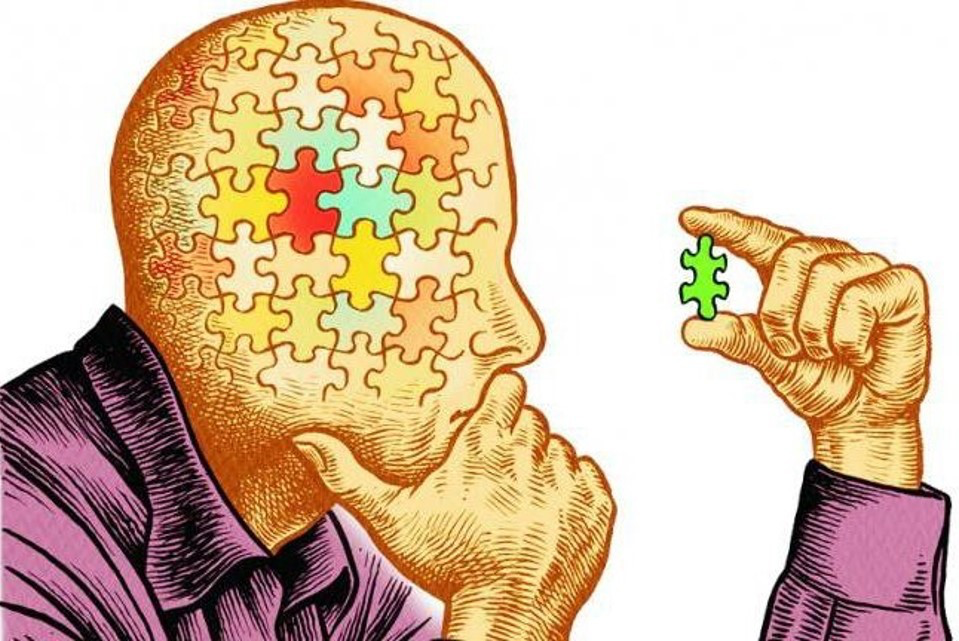
One theme consistently emerges across both medical and holistic approaches: awareness. No treatment can replace the daily choices individuals make outside the therapeutic environment.
How do we respond to stress?
What thoughts dominate our attention?
Who do we spend time with?
What habits support wellbeing, and which ones undermine it?
These seemingly simple questions often reveal the patterns that either sustain health or contribute to suffering. Developing awareness allows individuals to recognise triggers before they become crises. It creates space between impulse and action. Over time, this capacity for self-observation can become one of the most powerful tools in both addiction recovery and emotional wellness.
Building Foundations for Recovery
Despite the complexity of addiction and mental health challenges, many of the foundations that support recovery remain surprisingly simple. Regular sleep. Nutritious food. Physical movement provide a physical solution to feeling better. Meaningful relationships. Time in nature. Mindfulness practices. Emotional support. A sense of purpose, reestablish connections to something greater than the individual.
These approaches recognise that health is influenced by more than symptoms alone.
Bali has become an important centre for this evolving model of care, with a growing number of rehabilitation and recovery programmes combining clinical treatment with education, lifestyle support, mindfulness, and therapeutic practice.
These conversations continue to explore how recovery can be supported through a broader understanding of health. The focus is not only on overcoming addiction or managing symptoms, but on creating the internal conditions for a healthier and more meaningful life.
A More Human Approach to Healing
The future of addiction and mental health treatment may not lie in choosing between conventional medicine and holistic approaches, but in recognising the value of both. Complex challenges rarely have a single cause or a single solution, and recovery is often strongest when different perspectives work together.
As rates of addiction, anxiety, and emotional distress continue to rise, there is growing recognition that health involves more than the absence of illness. It emerges through the ongoing relationship between body, mind, environment, and the meaning we create from our experiences.
Wellness is not something we achieve once and for all. It is a process of cultivation. The small choices we make each day, how we care for ourselves, how we relate to others, and how we respond to life’s inevitable challenges, often become the foundations upon which lasting recovery is built.
Other Articles You May Find of Interest...
- Why Your Mental Wellness Routine Should Integrate Exercise
- How to Protect Your Mental Health After Losing a Pet
- The Hidden Link Between Blood Sugar and Anxiety: What Continuous Glucose Monitors Reveal
- Why a Gradual, Clinician-Guided Approach to Methylfolate May Matter
- Breaking the Stigma Around Mental Health and Seeking Professional Support
- Complex PTSD vs. PTSD: The Differences That Can Change Your Treatment
- When Talk Therapy Isn’t Enough: Understanding More Intensive Treatment for OCD





