






Your Health Magazine Contributor
4201 Northview Drive
Suite 102
Bowie, MD 20716
More Essential Business Tools For Marketing Healthcare Articles
Video Face Swap vs Deepfake Software: What Healthcare Marketers Should Know
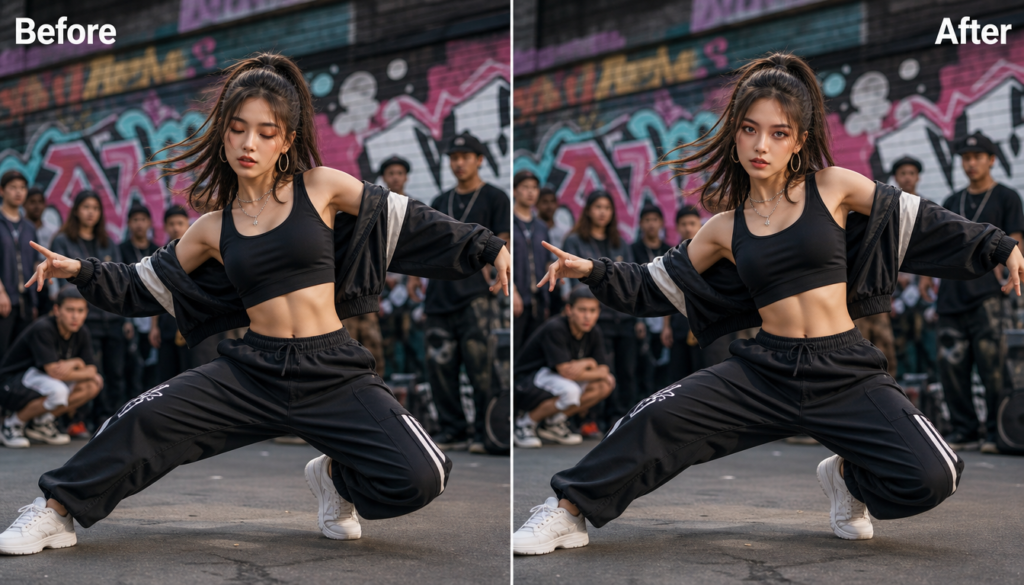
Healthcare marketers increasingly use AI video tools for social content, patient education, recruitment, internal training, and campaign creative. That makes the difference between quick browser-based face-swap tools and more advanced deepfake software increasingly relevant.
One path is built for speed and ease. The other provides more control but requires more time, stronger hardware, and a better understanding of how synthetic media should be handled responsibly.
For short healthcare marketing concepts, social clips, recruitment creative, educational campaign mockups, and internal video projects, a tool like EasyFaceSwap offers a relatively simple workflow: upload, preview, adjust, and export. Deepfake software can produce more sophisticated results, but it often requires substantially more setup and technical knowledge.
The choice is not simply about image quality. Healthcare organizations also need to consider production time, creative control, consent, accuracy, privacy, and the potential for synthetic video to mislead viewers. For projects using a recognizable person’s likeness with permission, Video Face Swap can provide a simpler route. More advanced deepfake software may be appropriate for controlled productions requiring detailed visual-effects work.
Quick Overview of Both Options
Video face swap tools are designed for users who want fast results with little setup. A source face and video are uploaded, and the software processes the replacement automatically. Better tools can handle face tracking, lighting changes, and basic blending in the background, reducing the amount of technical work required.
Deepfake software is a broader category. It can provide deeper control over face alignment, training, masking, frame extraction, and output quality. That control may be useful for longer videos or scenes involving difficult angles, but it may also require stronger hardware, more preparation, and manual correction.
For healthcare marketing teams, the biggest difference often appears before the final export. With video face swap tools, most of the work involves choosing suitable source material and reviewing the finished output. With deepfake software, considerably more time may be spent on setup, file management, model settings, training, and repeated testing.
Video Face Swap: Overview, Features, Pros and Cons
A video face swap tool is designed to reduce technical friction. Users generally do not need to install large software packages, manage model files, or understand technical concepts such as epochs, occlusion masks, or facial landmarks.
The key feature is automated face replacement in moving video. Good video face swap tools detect the target face across frames, follow head movement, and blend the replacement face into the clip. Some can handle expressions such as smiles, blinking, and moderate head turns.
Issues may still appear when hands cross the face, angles become extreme, motion is rapid, or lighting changes substantially. For short marketing videos or controlled campaign concepts, however, the results may be adequate without requiring a full visual-effects workflow.
The primary advantage is speed. Healthcare marketing teams producing social clips, recruitment concepts, internal presentations, educational campaign mockups, or other short-form content may benefit from being able to test visual ideas quickly before committing substantial production resources.
Browser-based tools also have limitations. They generally provide less control over fine visual details than advanced deepfake software. If a face blend appears inaccurate around the jaw or during unusual movements, users may have limited ability to correct individual frames. Longer videos also increase processing requirements and the possibility of visible inconsistencies.
Video face swap is generally best suited to short projects where speed, simplicity, and ease of use matter more than detailed frame-by-frame control.
Deepfake Software: Overview, Features, Pros and Cons
Deepfake software provides substantially more control but also requires more technical involvement.
Instead of a simple upload-and-export workflow, users may need to collect source images, extract video frames, align faces, train models, review previews, adjust masks, and merge the final output back into the video. Each stage can affect the final result.
The principal advantage is control. Advanced software may allow users to work with larger image sets, train for specific facial angles, refine mask edges, and improve difficult scenes over time. In professional video production, that flexibility can support more sophisticated visual effects.
The trade-off is complexity. Training can require considerable processing time, particularly on weaker hardware. Users may also encounter failed alignments, flickering, color mismatches, unnatural mouth movement, and other artifacts that require troubleshooting.
For healthcare organizations, advanced deepfake software may make the most sense in controlled creative or production environments where trained staff are available and the additional visual control justifies the investment.
Side by Side Summary
| Factor | Video Face Swap | Deepfake Software |
|---|---|---|
| Ease of use | Simple upload and export flow | More steps, settings, and technical knowledge |
| Setup time | Usually short | Can require substantial preparation |
| Quality ceiling | Suitable for many short-form projects | Potentially higher when used well |
| Hardware needs | Usually light for the creator | Often requires stronger hardware |
| Control | Limited but simple | Detailed but complex |
| Best use | Social clips, campaign concepts, recruitment and internal content | Professional VFX, longer projects, controlled productions |
| Biggest risk | Less control over problem frames | Complexity, misuse, and greater synthetic-media risk |
For short healthcare marketing content, small differences in visual quality may matter less than speed, clarity, and appropriate disclosure. A clean, quickly produced concept may be more useful than a technically sophisticated render that requires substantially more production time.
Deepfake software becomes more useful when the project has higher production demands. Longer scenes, unusual angles, detailed masking, or tightly controlled creative work may justify the additional complexity.
Special Considerations for Healthcare Marketing
Healthcare organizations should use synthetic-media tools more carefully than many consumer brands.
Consent should be explicit whenever a recognizable person’s likeness is used. A physician, patient, employee, spokesperson, or other identifiable individual should not be made to appear to say or do something they did not approve.
Accuracy is also critical. Synthetic video should not create false clinical statements, fabricated testimonials, misleading demonstrations, or the appearance that a healthcare professional endorsed a treatment, product, or claim they never actually approved.
Patient privacy requires additional attention. Protected or sensitive patient information should not be uploaded to third-party AI platforms unless the organization has appropriately evaluated privacy, security, contractual, and regulatory requirements.
Organizations should also consider disclosure. When synthetic media could reasonably be mistaken for authentic footage, clearly identifying altered or AI-generated content can reduce confusion and protect audience trust.
Choosing the Right Tool for a Healthcare Marketing Project
For most healthcare marketing teams creating short-form campaign content, simple video face-swap tools may be more practical than advanced deepfake software because they require less technical setup and allow ideas to be tested quickly.
Advanced deepfake software may make more sense when a project requires substantial visual control, longer sequences, or professional post-production.
The right choice depends on the project, but technical capability should not be the only consideration. Consent, transparency, accuracy, privacy, and brand trust should remain central to any healthcare organization using synthetic-media technology.
The most practical approach is to start with video face swap unless a project clearly requires the additional control of deepfake software. It provides the fastest path from concept to finished clip, while keeping the production process accessible. If greater control later becomes necessary, more advanced software can be evaluated for that specific project.
Other Articles You May Find of Interest...
- What Patients Decide From Your Directory Photo Before They Ever Book
- Comparing AI Meeting Tools for Client Calls in 2026
- How Dental Practices Can Build a Trustworthy Digital Front Door
- 15 Steps to Start a Healthcare Marketing Agency From Scratch
- The Healthcare Marketer’s Guide To Publishing AI-Assisted Content Responsibly
- Video Face Swap vs Deepfake Software: What Healthcare Marketers Should Know
- Telehealth SEO: the two constraints nobody writes about





