Your Health Magazine Contributor
4201 Northview Drive
Suite 102
Bowie, MD 20716
More Essential Business Tools For Marketing Healthcare Articles
How Malaysian Healthcare Practices Can Earn News Coverage and Backlinks
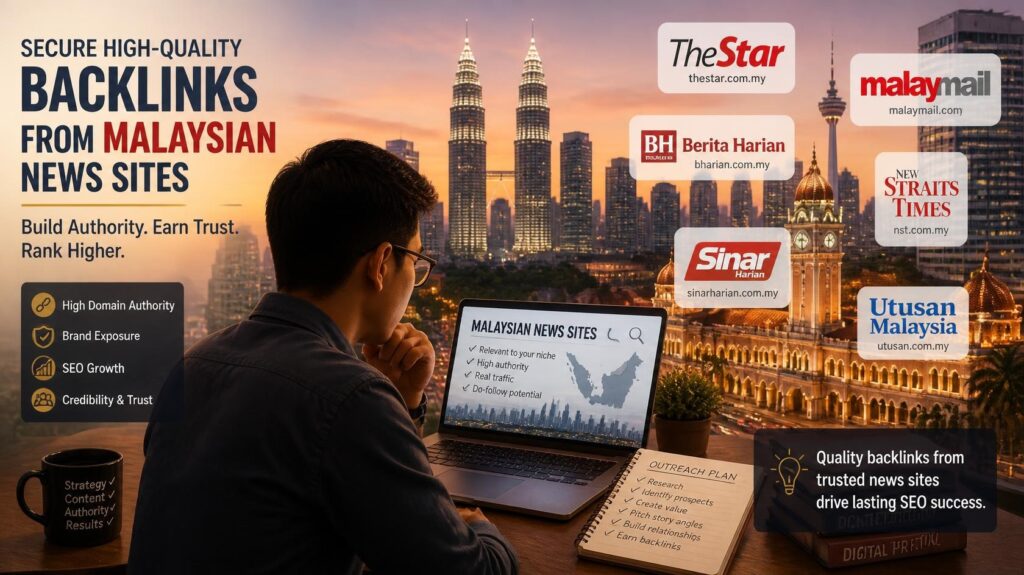
For healthcare practices in Malaysia, earning coverage from established news publications can help patients discover reliable medical information and learn about services available in their communities.
However, getting a clinic, hospital, dental practice, or other healthcare organization mentioned in the news requires more than sending out promotional announcements. Journalists look for stories that are timely, relevant, accurate, and useful to their readers.
A healthcare practice that provides meaningful health information, original research, or qualified medical expertise may have opportunities to earn editorial coverage and backlinks from Malaysian publications.
The key is approaching media outreach as an opportunity to educate the public rather than simply promote a medical business.
Why News Coverage Matters for Healthcare Practices
A backlink is a hyperlink from another website to your own. When a credible publication references a healthcare practice, the resulting link may help readers find additional information and can contribute to the practice’s broader online visibility.
For healthcare organizations, the value extends beyond search engine optimization.
A news article discussing a community health initiative, medical development, or public health concern can introduce readers to qualified professionals and useful educational resources.
For example, a dental clinic contributing expert advice to an article about children’s oral health may reach parents who would not otherwise encounter its website.
Likewise, a physiotherapy practice sharing information about injury prevention may establish greater awareness of its services and expertise.
While relevant editorial backlinks can support SEO, no individual news mention guarantees improved rankings.
Which Malaysian News Publications Should Healthcare Practices Consider?
Different news outlets serve different audiences. A healthcare practice should prioritize publications whose readership and editorial interests align with the story.
| Publication Type | Malaysian Examples | Potential Healthcare Topics |
|---|---|---|
| General English-language news | The Star, New Straits Times, Malay Mail | Public health, preventive care, medical developments |
| Malay-language news | Berita Harian, Sinar Harian | Community health initiatives and local healthcare access |
| Chinese-language news | Sin Chew Daily, China Press | Health education and community medical services |
| Independent online news | Malaysiakini | Healthcare policy, access and public-interest issues |
| Business publications | The Edge Malaysia, The Malaysian Reserve | Healthcare industry developments and medical business trends |
| Health and specialist publications | Healthcare, parenting and wellness websites | Condition-specific education and professional expertise |
Before contacting an outlet, review its recent coverage, intended audience, editorial requirements, and policies for contributed or sponsored content.
A smaller publication with an engaged local readership may be more relevant to a neighborhood healthcare practice than a major national outlet covering an unrelated subject.
1. Focus on Health Topics That Matter to the Community
Journalists are more likely to consider a story when it addresses a genuine concern rather than simply announcing that a clinic offers services.
Healthcare practices can identify useful topics by considering the questions patients frequently ask.
Possible subjects include:
- Dental health concerns among children and teenagers
- Preventive screenings and early detection
- Recognizing symptoms that require medical attention
- Healthy aging and mobility
- Mental health awareness and access to support
- Workplace ergonomics and injury prevention
- Community education about mosquito-borne illnesses
For example, a clinic organizing a community health screening might provide information about who the event serves, what participants can expect, and why the initiative matters locally.
The strongest stories explain their public value without implying that one provider is superior to competing healthcare organizations.
2. Share Reliable Health Information and Original Data
Healthcare professionals may be valuable sources because they have specialized knowledge and firsthand experience discussing common patient concerns.
A medical practice might contribute anonymized observations about frequently asked questions, changing appointment demand, or barriers patients encounter when seeking preventive care.
However, patient privacy must remain a priority.
Individual medical records, identifiable patient information, and confidential clinical details should never be disclosed without appropriate authorization and compliance with applicable privacy requirements.
When publishing survey results or other research, explain how the information was collected, the size of the sample, and any limitations.
Claims about disease prevalence, treatment effectiveness, or medical outcomes should be supported by reliable evidence rather than promotional statements.
3. Build Relationships With Relevant Health Journalists
Sending the same press release to hundreds of unrelated contacts is rarely an effective approach.
Healthcare organizations should identify journalists who already cover public health, medicine, lifestyle, parenting, or community issues.
Read their recent articles before contacting them. This helps determine whether a proposed story fits their interests and audience.
A concise media pitch should explain:
- What the story is about
- Why it matters to Malaysian readers
- What evidence or expertise is available
- Whether a qualified healthcare professional can provide an interview
- Where the journalist can review additional information
The objective is to offer a useful source or story, not demand a backlink.
If a publication chooses to cover the subject, the journalist or editor determines whether a website link is appropriate.
4. Create Healthcare Resources Worth Referencing
Even when a journalist finds a story interesting, the healthcare website needs to offer something useful for readers.
A clinic homepage containing only service descriptions and appointment buttons may be less valuable as a reference than a detailed educational resource.
Healthcare practices can develop website content explaining common conditions, preventive care, treatment considerations, and questions patients should discuss with qualified professionals.
For example, a dermatology practice might publish an evidence-based guide to sun protection in tropical climates.
A physiotherapy clinic could create an educational resource about safe movement and injury prevention.
These pages should identify their authors or medical reviewers when appropriate, use trustworthy references, and avoid unsupported treatment claims.
Useful resources create legitimate opportunities for journalists to cite a practice’s expertise.
5. Understand the Difference Between Editorial and Sponsored Coverage
Not every media placement is earned through independent editorial selection.
Some Malaysian publications offer sponsored articles, advertorials, or other paid opportunities.
These can provide advertising exposure, but they should be clearly distinguished from independent reporting.
Google recommends identifying paid advertising links with appropriate attributes such as rel="sponsored" or nofollow when necessary.
Healthcare practices should be cautious of agencies promising guaranteed followed backlinks from major newspapers.
A legitimate provider should be able to explain whether a placement is editorial or paid and what the publication’s linking policies allow.
Paid publicity should not be presented as an independent medical endorsement.
6. Consider Professional Help When Needed
Smaller medical practices may not have dedicated staff to manage media outreach, journalist relationships, and digital PR.
In those circumstances, professional assistance can help organize outreach and identify relevant publication opportunities.
A provider offering link building from Malaysian publications should be evaluated on its ability to identify appropriate media outlets, explain its outreach methods, and distinguish genuine editorial coverage from sponsored placements.
Healthcare organizations should also ask how an agency handles medical accuracy, professional claims, and sensitive patient information.
The goal should be meaningful visibility through credible coverage, not simply accumulating links from unrelated websites.
7. Measure the Results of Healthcare Media Outreach
A successful media campaign should be measured by more than the number of backlinks obtained.
Useful performance indicators include:
Relevant Media Mentions
Track which publications mention the practice and whether the coverage is accurate, relevant, and useful to the intended audience.
Referral Traffic
Review how many visitors arrive from news articles and whether they explore the educational resources referenced.
Search Visibility
Monitor relevant search queries and referring domains through search analytics tools.
Patient Engagement
Where appropriate, observe whether coverage leads to increased educational-resource views, inquiries, or interest in community health initiatives.
When comparing proposals from agencies such as Rankpage Malaysia, practices should request reporting that distinguishes earned media mentions from paid placements and separates referring-domain counts from meaningful audience engagement.
Backlink totals alone cannot establish that a campaign improved patient understanding, produced valuable coverage, or generated genuine interest in healthcare services.
Common Mistakes Healthcare Practices Should Avoid
Several approaches can reduce the effectiveness and credibility of healthcare media outreach.
Promoting services instead of sharing information: A general advertisement about a clinic is unlikely to interest journalists unless it also contains genuine news value.
Making unsupported medical claims: Treatment outcomes, safety claims, and statements about effectiveness must be supported by appropriate evidence.
Overlooking patient confidentiality: Patient stories and medical information require careful handling and appropriate permission.
Pitching unrelated publications: A relevant health or community outlet may offer more meaningful exposure than a larger website with no connection to the subject.
Expecting guaranteed rankings: News coverage and backlinks cannot guarantee search engine positions.
Failing to maintain educational resources: Articles referencing outdated medical information can undermine trust and create potential safety concerns.
Frequently Asked Questions
Can a Healthcare Practice Earn Backlinks From Malaysian News Sites?
Yes. Practices may earn links when journalists reference their medical expertise, community initiatives, original research, or educational resources. Whether a link is included remains an editorial decision.
Do Healthcare Practices Need a Press Release?
Not always. A short, relevant pitch supported by useful information may be more effective than a formal press release. Press releases are better suited to genuine announcements such as new facilities, significant initiatives, or organizational developments.
Are Paid News Placements the Same as Editorial Coverage?
No. Paid placements are advertising arrangements, while independent editorial coverage is determined by the publication. Sponsored links should follow applicable search engine guidelines.
How Long Does It Take to Earn News Coverage?
There is no guaranteed timeline. Some stories receive interest quickly, while others require additional research, stronger supporting information, or a more timely angle.
Should Healthcare Practices Contact Publications in Different Languages?
Practices should consider the language and audience of each outlet. Providing accurate information in Bahasa Malaysia, Chinese, or English, as appropriate, can improve communication with journalists and help make health information more accessible.
Final Thoughts
For healthcare practices in Malaysia, earning news coverage begins with providing information that genuinely benefits readers.
Clinics and medical professionals can contribute to public understanding through evidence-based health education, community initiatives, and informed commentary on relevant medical topics.
The most sustainable approach combines accurate healthcare information, appropriate media outreach, and useful website resources.
Rather than pursuing backlinks as an isolated SEO objective, healthcare organizations should focus on becoming trustworthy sources that journalists and patients have good reasons to reference.
When media coverage is earned through relevance, accuracy, and public value, improved online visibility becomes a potential additional benefit rather than the sole purpose of the effort.
Other Articles You May Find of Interest...
- How Malaysian Healthcare Practices Can Earn News Coverage and Backlinks
- QR Codes in Healthcare Practices: How to Use Them Without Losing the Human Touch
- Why Patients Cannot Find Great Doctors Online, and How Practices Fix It
- The Importance of Healthcare Digital Marketing for Medical Practices
- What Email Content Works Best When Targeting Pathologists?
- The Almost-Right Healthcare Image: How to Edit Without Losing What Works
- What Makes a Physicians Email List Reliable? 7 Data Quality Checks for Healthcare Outreach