




Your Health Magazine Contributor
4201 Northview Drive
Suite 102
Bowie, MD 20716
More Health Education Articles
How Interventional Radiology Helps Treat Complex Medical Conditions
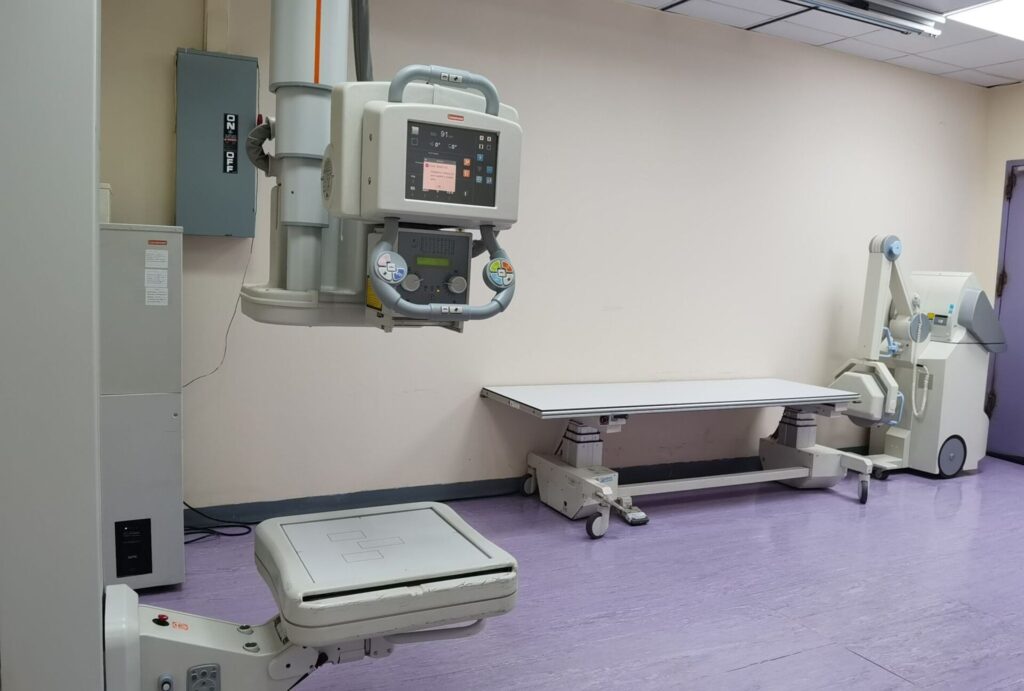
Medical technology has changed how doctors diagnose and treat complicated health conditions. Procedures that once required major surgery and lengthy hospital stays can sometimes be performed through small incisions using advanced imaging equipment. One of the most important developments behind this progress is interventional radiology.
Interventional radiology is a medical specialty that uses imaging technology to guide minimally invasive treatments. Doctors rely on ultrasound, computed tomography (CT), magnetic resonance imaging (MRI), and X-ray guidance to locate specific areas inside the body and perform targeted procedures.
These techniques can help manage conditions affecting blood vessels, internal organs, joints, and other parts of the body. By focusing treatment directly on the affected area, interventional radiology provides additional options for patients who may not need, or may not be suitable for, traditional surgery.
Understanding how these procedures work can help patients make informed decisions about their treatment options.
Understanding Interventional Radiology and How It Works
Interventional radiology combines medical imaging with specialized treatment techniques. Unlike conventional surgery, which may require large incisions to access internal organs, many interventional procedures involve inserting thin instruments through a small opening in the skin.
An interventional radiologist uses real-time imaging to guide these instruments toward the area requiring treatment. This approach allows physicians to navigate blood vessels, reach internal tissues, and perform procedures with a high degree of precision.
For example, a catheter can be inserted into a blood vessel and carefully guided toward an abnormal artery. Once positioned correctly, the physician may deliver medication, place a stent, or block blood flow to a specific area, depending on the medical condition.
Because these procedures generally involve smaller incisions, patients may experience less postoperative discomfort and shorter recovery periods than with open surgery. However, the benefits and risks depend on the particular procedure and the patient’s overall health.
Treating Vascular Conditions With Image-Guided Procedures
Blood vessel disorders can cause serious health problems, particularly when they interfere with normal circulation. Conditions involving narrowed arteries, abnormal blood vessels, and internal bleeding sometimes require specialized medical intervention.
Interventional radiologists use techniques such as angioplasty, stenting, and embolization to address selected vascular problems.
Angioplasty involves inserting a small balloon into a narrowed blood vessel and inflating it to improve blood flow. In certain cases, a stent may also be placed to help keep the vessel open.
Embolization works differently. Instead of restoring circulation, the procedure intentionally blocks blood flow to a particular vessel. It may be used to control certain types of internal bleeding, treat abnormal vascular connections, or reduce blood supply to selected tissues.
These procedures demonstrate how interventional radiology can address complex conditions without requiring conventional open surgery in every case.
Managing Enlarged Prostate Symptoms Through Embolization
Benign prostatic hyperplasia (BPH), commonly known as an enlarged prostate, affects many men as they get older. The condition can cause frequent urination, difficulty starting urination, weak urine flow, and interrupted sleep.
Although medications and surgical treatments are available, some patients may qualify for a minimally invasive procedure called prostate artery embolization.
During this treatment, an interventional radiologist uses imaging guidance to locate arteries supplying blood to the prostate. Small particles are introduced through a catheter to reduce blood flow to the gland, potentially allowing it to shrink over time.
The procedure may improve urinary symptoms in appropriately selected patients, although outcomes vary. It is not suitable for everyone, and patients should discuss its benefits, limitations, and alternatives with qualified medical professionals.
Specialized practices such as Image Guided Therapy help patients explore image-guided treatment options for appropriate medical conditions. Understanding the available procedures can support more informed discussions about symptom management and individual treatment needs.
Addressing Chronic Knee Pain and Osteoarthritis
Knee osteoarthritis is a common joint condition that can cause persistent pain, inflammation, stiffness, and reduced mobility. These symptoms may interfere with walking, exercising, climbing stairs, and performing everyday activities.
Traditional treatment options include physical therapy, weight management, medications, injections, and, in advanced cases, joint replacement surgery.
Interventional radiology has introduced another potential option for selected patients through a procedure called genicular artery embolization.
This technique targets certain small arteries supplying the inflamed tissues around the knee. By reducing abnormal blood flow associated with inflammation, the procedure may help relieve pain in some individuals with osteoarthritis.
However, genicular artery embolization is still an evolving treatment, and long-term evidence continues to develop. It does not reverse cartilage damage or cure osteoarthritis.
Patients should receive a comprehensive assessment to determine whether the procedure is appropriate compared with established treatments.
The Role of Interventional Radiology in Cancer Treatment
Interventional radiology also contributes to the diagnosis and treatment of certain cancers.
One commonly used technique is image-guided biopsy, in which a physician uses ultrasound or CT imaging to guide a needle toward suspicious tissue. The collected sample can then be examined to help establish a diagnosis.
Some cancers may also be treated using image-guided ablation, which destroys selected tumors with heat, extreme cold, or other methods.
Another technique, transarterial chemoembolization, delivers chemotherapy into arteries supplying certain liver tumors while also restricting blood flow.
These procedures may be used independently or alongside surgery, chemotherapy, radiation therapy, and other cancer treatments.
Their suitability depends on factors such as tumor location, disease stage, overall health, and treatment objectives. Decisions typically involve collaboration among specialists.
Benefits of Minimally Invasive Image-Guided Treatments
One major advantage of interventional radiology is its ability to deliver treatment through relatively small entry points.
Depending on the procedure, potential benefits include reduced tissue disruption, less postoperative pain, shorter hospital stays, and faster recovery compared with open surgical approaches.
Some procedures can be performed on an outpatient basis, allowing patients to return home without an extended hospital admission.
Another advantage is targeted treatment. Imaging technology enables physicians to identify specific structures and guide instruments toward the intended area while limiting unnecessary disruption to surrounding tissues.
However, minimally invasive procedures are not risk-free. Possible complications include bleeding, infection, blood vessel injury, contrast reactions, and unintended injury to nearby tissues.
The safest and most effective approach depends on careful patient selection rather than assuming that every minimally invasive procedure is preferable to surgery.
What Patients Should Expect During an Interventional Radiology Procedure
Before treatment, patients usually undergo a medical evaluation that includes reviewing symptoms, medical history, medications, and relevant imaging results.
Physicians explain the procedure, expected benefits, possible complications, and alternative treatment options. Additional laboratory tests or imaging examinations may be necessary.
During the procedure, patients are positioned on an examination table while specialized imaging equipment guides the physician. Local anesthesia and sedation are commonly used, although some procedures require general anesthesia.
Afterward, medical staff monitor the patient for complications and provide instructions regarding medication use, physical activity, and follow-up appointments.
Recovery times differ considerably. Some individuals resume normal activities relatively quickly, while others require additional observation or a longer recovery period.
Following medical instructions and attending scheduled follow-up visits are important parts of achieving the best possible outcome.
Why Early Diagnosis and Personalized Treatment Matter
Many conditions treated through interventional radiology develop gradually. Urinary problems, persistent joint pain, circulation difficulties, and unexplained symptoms may initially appear manageable but can become more disruptive over time.
Early medical evaluation helps identify underlying causes and determine whether treatment is necessary.
Personalized care is particularly important because patients with similar symptoms may have different medical conditions or treatment requirements.
A physician must consider factors such as age, existing health problems, symptom severity, imaging findings, and previous treatments before recommending an intervention.
An accurate diagnosis also helps prevent unnecessary procedures and ensures that patients receive care appropriate to their individual circumstances.
Conclusion
Interventional radiology has expanded the treatment options available for many complex medical conditions. By combining advanced imaging with specialized minimally invasive techniques, physicians can diagnose abnormalities, manage selected vascular disorders, treat certain tumors, and address conditions affecting prostate health and joint pain.
These developments may offer patients alternatives to conventional surgery, with potential advantages involving recovery time, discomfort, and treatment precision.
Nevertheless, every procedure carries benefits, risks, and limitations. Careful diagnosis, appropriate patient selection, and consultation with qualified specialists remain essential.
As imaging technology and medical research continue to advance, interventional radiology will remain an important part of modern healthcare, helping physicians deliver targeted treatments based on each patient’s medical needs.
Other Articles You May Find of Interest...
- How Interventional Radiology Helps Treat Complex Medical Conditions
- Private Blood Tests at Home in Essex: How to Book, What It Costs and When It Makes Sense
- Three Letters, One Molecule: How To Read A Peptide’s Sequence
- Who Is a Good Candidate for Artificial Disc Replacement? What Patients Should Know
- How to Write a Student AI Study Tool Policy for a Medical School
- Why AI Detectors Flag Medical and Academic Writing
- How Long Should You Stay After Surgery Abroad?





