Your Health Magazine Contributor
4201 Northview Drive
Suite 102
Bowie, MD 20716
More Health Education Articles
How Long Should You Stay After Surgery Abroad?
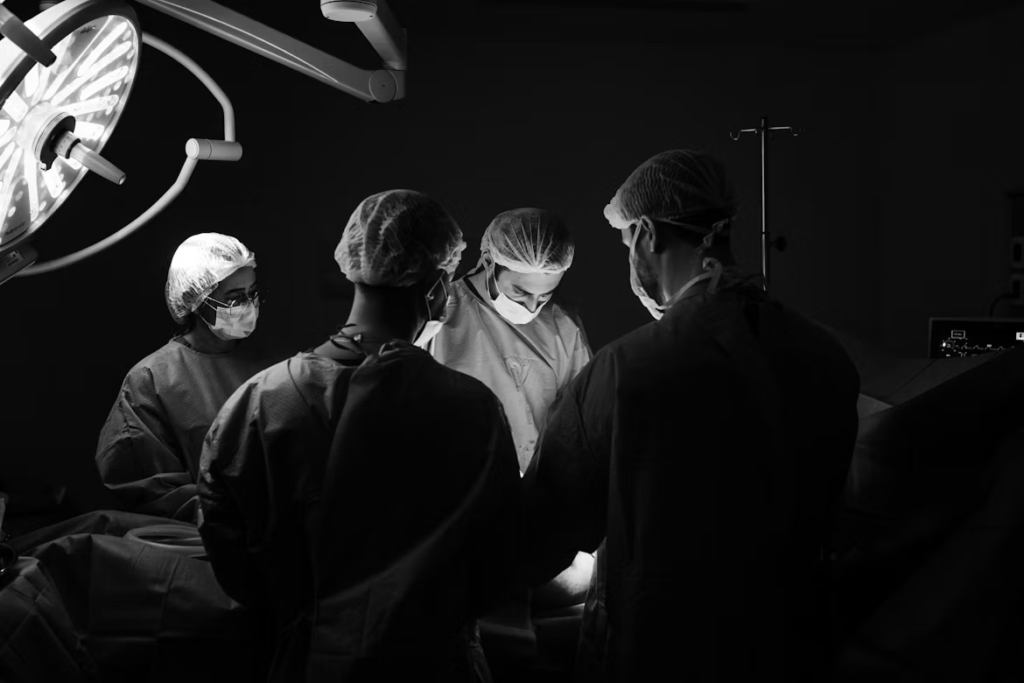
One of the most common questions from people planning surgery overseas is how long they need to stay. It is an important one. Book too short a trip and you may fly home before your body is ready. Book too long and you spend money you did not need to.
The right answer depends on the procedure, your health and your surgeon’s advice. This guide gives typical timeframes and explains why they matter.
Why you cannot fly home straight away
Surgery affects your body in ways that make flying riskier for a while. The main concerns are:
– Blood clots. Sitting still for a flight after surgery raises the risk of deep vein thrombosis.
– Swelling. Cabin pressure can increase swelling in the days after surgery.
– Early complications. Problems such as bleeding, fluid build-up or infection most often appear in the first few days. You want to be near your surgeon if they do.
– Comfort. Carrying bags, sitting in airport queues and squeezing into a plane seat are all harder after an operation.
Staying near the clinic for the recommended period lets your surgeon check your progress and change dressings, and gives you time to recover before travelling.
Typical stays by procedure
These are general guides. Your surgeon will give you a specific recommendation.
Eyelid surgery, ear correction and small liposuction areas. Around four to five nights in total is common.
Nose surgery. Around seven nights. Splints are usually removed after about a week, and many surgeons like to do this themselves.
Breast augmentation, uplift or reduction. Around five to seven nights.
Facelift. Around seven to ten nights, allowing time for swelling to settle and stitches to be checked.
Tummy tuck. Around ten nights. This is one of the longer stays, because tummy tucks involve more extensive healing.
Body lifts and combined procedures. Often ten to fourteen nights.
Weight loss surgery. Gastric sleeve and gastric bypass usually involve a longer clinic stay followed by several days nearby.
What happens during your stay
Most patients spend the first night, sometimes two, in the clinic. After that, you move to nearby accommodation. During your stay, you can expect:
– One or more check-ups with your surgeon or nursing team
– Dressing changes
– Advice on medication, garments and wound care
– Possibly stitch or drain removal
– A final check before you are cleared to fly
Use the time to rest, walk gently several times a day, eat well and drink plenty of water. Clinics that regularly provide plastic surgery abroad will usually give you a written plan for these days.
Choosing where to stay
Being close to the clinic makes a big difference. Short trips to check-ups are easier, and if you have any concerns you can be seen quickly. Many clinics have arrangements with nearby apartments or hotels.
In Wrocław, for example, some patients stay in apartments directly opposite their clinic for around £30 a night, with a shared kitchen and private lockable bedrooms. Simple hotels within walking distance cost about the same. These low costs make it easier to stay the full recommended time.
When you plan your budget, include accommodation for every night after your clinic stay. A clinic’s price page usually explains what is and is not included. This list of prices for cosmetic surgery abroad, for example, shows the procedure costs alongside accommodation choices and flight routes, which makes it easier to plan the length of your trip.
Should you bring someone with you?
Yes, if at all possible. A companion can help you get around, carry bags, fetch food and keep an eye on you. After larger procedures such as tummy tucks or facelifts, having someone with you is strongly advised. Their flights and food will add to your costs, but sharing a room or apartment keeps the extra spending down.
Booking your return flight
Book your return flight after you know your surgery date and recommended stay. If possible, choose a flexible ticket, or a fare where changes are cheap. Occasionally a surgeon will want to keep you an extra day or two, and being able to move your flight without a large fee takes the pressure off.
On the flight home:
– Wear compression stockings if advised
– Drink water and avoid alcohol
– Move your feet and ankles regularly
– Walk the aisle when it is safe to do so
– Ask for assistance at the airport if you need it
After you get home
Recovery continues for weeks after you return. Plan time off work, avoid heavy lifting and follow your surgeon’s instructions on garments and wound care. Let your GP know about your surgery, and keep your clinic’s contact details close in case you have questions.
The key point
Your stay after surgery is part of your treatment, not an optional extra. Following your surgeon’s advice on how long to stay is one of the simplest ways to lower your risk of complications. Plan for the full period from the start, and budget for it, so you never feel pressured to leave early.
Other Articles You May Find of Interest...
- How to Write a Student AI Study Tool Policy for a Medical School
- Why AI Detectors Flag Medical and Academic Writing
- How Long Should You Stay After Surgery Abroad?
- GLP-1 Side Effects: What’s Normal, What’s Not, and When to Call Your Doctor
- How to Increase a Low White Blood Cell Count
- The Journey Your Lab Sample Takes After the Blood Draw
- Why Your Body Can Be Awake While Your Brain Is Still Asleep