




More Gastroenterology Articles
What Causes Stomach Cramps?
By Your Health Magazine Health Information Team
Stomach cramps are commonly caused by gas, indigestion, constipation, diarrhea, food intolerance, or a short-term intestinal infection. Repeated cramps may be related to irritable bowel syndrome (IBS) or another digestive condition. Less commonly, severe or localized cramping can signal appendicitis, gallstones, kidney stones, intestinal blockage, or another problem requiring prompt medical attention.
Why Does the Stomach Cramp?
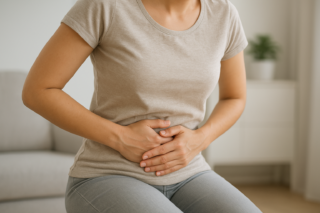
What people call “stomach cramps” may arise anywhere in the abdomen, which extends from below the chest to the groin. Cramping often occurs when muscles in the stomach or intestines tighten and relax. It may feel like squeezing, twisting, pressure, or pain that comes in waves.
The sensation does not always originate in the stomach itself. The intestines, gallbladder, pancreas, kidneys, urinary tract, reproductive organs, and abdominal muscles can all produce discomfort in this area. As the MedlinePlus overview of abdominal pain explains, the location, timing, and accompanying symptoms help healthcare professionals narrow down possible causes.
Common Causes of Stomach Cramps
| Possible cause | Typical clues |
|---|---|
| Gas and bloating | Fullness, visible swelling, belching, or relief after passing gas |
| Indigestion | Upper abdominal discomfort, fullness, nausea, belching, or heartburn after eating |
| Constipation | Hard or infrequent stools, straining, bloating, or relief after a bowel movement |
| Gastroenteritis or food poisoning | Sudden cramps with watery diarrhea, nausea, vomiting, or fever |
| Food intolerance | Gas, bloating, cramps, or diarrhea after consuming a particular food or drink |
| IBS | Recurring abdominal pain associated with constipation, diarrhea, or changes in stool frequency or appearance |
| Menstrual cramps | Lower abdominal cramping before or during a menstrual period, sometimes with back or thigh pain |
Gas, Food, and Digestion
Swallowed air and the breakdown of undigested carbohydrates by bacteria in the large intestine naturally produce gas. Some people experience more pain when gas stretches the intestines or does not move through them easily. Eating quickly, consuming carbonated drinks, or eating foods that are difficult for an individual to digest may contribute.
Lactose, fructose, and certain other carbohydrates can cause cramps, bloating, and diarrhea when they are not absorbed well. The National Institute of Diabetes and Digestive and Kidney Diseases provides more detail about gas and digestive conditions that can increase it. A reaction after eating does not necessarily mean a food allergy; intolerances and allergies involve different processes and should not be self-diagnosed.
Infections and Diarrhea
A viral intestinal infection can cause bad tummy cramps along with watery diarrhea, nausea, vomiting, and sometimes fever. Although it is often called “stomach flu,” viral gastroenteritis is not caused by influenza viruses. Foodborne infections may produce similar symptoms.
The main short-term concern with repeated diarrhea or vomiting is dehydration. Warning signs include intense thirst, dry mouth, dark urine, urinating less than usual, unusual tiredness, lightheadedness, or fainting. Infants, older adults, pregnant people, and people with weakened immune systems may become seriously ill more quickly. The NIDDK’s viral gastroenteritis guidance describes symptoms that warrant prompt evaluation.
Irritable Bowel Syndrome
IBS is a disorder involving how the brain and digestive tract interact. It can cause recurring abdominal pain with constipation, diarrhea, or both. Symptoms may improve or worsen after a bowel movement, and bloating is common. IBS does not visibly damage the digestive tract, but other conditions can cause similar symptoms, so persistent cramps should be evaluated rather than assumed to be IBS. Learn more from the MedlinePlus guide to irritable bowel syndrome.
If cramping frequently occurs around bowel movements, this guide to common causes of stomach pain after pooping explains additional patterns to discuss with a healthcare professional.
What the Location and Pattern May Suggest
Location can provide clues, but it cannot confirm a diagnosis. Several conditions overlap, and pain may move or spread.
- Upper abdomen: Indigestion, reflux, ulcers, gallbladder problems, or pancreatic inflammation may cause discomfort here.
- Lower abdomen: Constipation, IBS, urinary problems, and menstrual or other reproductive conditions are possibilities.
- Lower right abdomen: Pain that becomes steadily worse may occur with appendicitis.
- Upper right abdomen: Severe, persistent pain after eating may involve the gallbladder.
- Side or back moving toward the groin: Intense pain that comes in waves may occur with a kidney stone.
- Cramping throughout the abdomen: Gas, diarrhea, gastroenteritis, food poisoning, constipation, and IBS can produce widespread cramps.
Also notice whether cramps began suddenly or gradually, follow meals, improve after passing stool or gas, wake you from sleep, or occur with fever, bleeding, urinary symptoms, vomiting, or unintended weight loss. These details can help a clinician assess a cramping digestive system more accurately.
What May Help Mild, Short-Term Cramps?
For mild cramps without warning signs, simple measures may provide comfort while the cause resolves:
- Rest and drink fluids, especially if diarrhea or vomiting is present.
- Take small, frequent sips if drinking a full glass worsens nausea.
- Eat slowly and choose manageable portions rather than large meals.
- Limit foods or drinks that clearly worsen gas, indigestion, or diarrhea.
- Try gentle movement or a warm compress if it feels comfortable.
- Record meals, bowel movements, menstrual timing, and symptoms if cramps keep returning.
There is no single over-the-counter treatment appropriate for every type of abdominal pain. A pharmacist or healthcare professional can help determine whether a nonprescription product is reasonable, particularly for children, pregnant people, older adults, or anyone taking other medications. Avoid relying on repeated self-treatment when the cause is unclear.
When to Seek Care
Seek emergency medical care for sudden or severe abdominal pain; a hard, rigid, or extremely tender abdomen; vomiting blood; red or black, tarry stool; difficulty breathing; fainting; chest, neck, or shoulder pain; or an inability to pass stool or gas accompanied by vomiting. Severe pain during pregnancy or after an abdominal injury also requires urgent assessment.
Contact a healthcare professional promptly if cramps keep returning, steadily worsen, last more than a few days, or occur with persistent vomiting or diarrhea, fever, dehydration, blood in the stool, urinary symptoms, abdominal swelling, pain that settles in one location, or unexplained weight loss. Infants and young children should be evaluated sooner because dehydration can progress quickly.
A primary care clinician can begin the evaluation and refer you to a gastroenterologist, gynecologist, urologist, or another specialist when appropriate. Diagnosis may involve a symptom and medication review, physical examination, and selected blood, urine, stool, pregnancy, or imaging tests. Stomach cramps are often temporary, but their pattern and accompanying symptoms determine when they need closer attention.
Other Articles You May Find of Interest...
- Upper Left Abdominal Pain: Causes and Warning Signs
- Gut Microbiome Tests in Australia: What to Compare Before Choosing One
- What Causes Stomach Cramps?
- Lower Abdominal Pain: Causes and When to Seek Care
- Lower Right Abdominal Pain: Causes and Warning Signs
- Right-Side Stomach Pain: Causes and When to Seek Care
- Why You Get Stomach Bloating and Gas After Eating Meat





