More Gastroenterology Articles
Stomach Pain: Common Causes and When to Seek Care
By Your Health Magazine Health Information Team
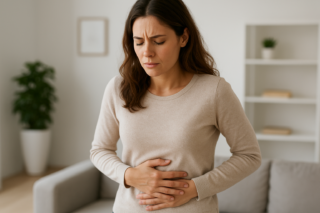
Pain in the tummy can come from something temporary, such as gas, indigestion, constipation, or a stomach infection, but it can also signal a condition that needs prompt treatment. The location and pattern of the pain—and symptoms such as fever, vomiting, bleeding, urinary changes, or pregnancy—help determine how urgently you should seek care.
What Does It Mean When Your Stomach Hurts?
What people call the “stomach” includes the entire abdomen, from below the chest to the groin. This area contains the stomach, intestines, appendix, gallbladder, liver, pancreas, kidneys, bladder, and reproductive organs. Pain can also be referred from the chest or back. That is why abdominal discomfort has many possible causes.
Pain intensity alone does not reveal how serious the problem is. Gas can cause severe cramps, while early appendicitis or another significant condition may initially cause only mild discomfort. The National Library of Medicine provides a helpful overview of abdominal pain and warning signs.
Common Causes of Belly Pain
| Possible cause | Common clues |
|---|---|
| Gas or indigestion | Bloating, belching, fullness, burning, or discomfort after eating |
| Constipation | Hard or infrequent stools, straining, bloating, or pain that may improve after a bowel movement |
| Viral gastroenteritis or food poisoning | Cramping with diarrhea, nausea, vomiting, and sometimes fever |
| Food intolerance | Bloating, gas, diarrhea, or cramps after particular foods, such as dairy products in someone with lactose intolerance |
| Irritable bowel syndrome | Recurring abdominal pain associated with diarrhea, constipation, or changes in stool frequency or appearance |
| Acid reflux, gastritis, or an ulcer | Burning or aching in the upper abdomen, indigestion, nausea, or discomfort related to meals |
| Menstrual or pelvic conditions | Lower abdominal cramps related to a period, pelvic pain, abnormal bleeding, or pain during sex |
| Urinary tract or kidney problems | Side, back, lower abdominal, or groin pain with painful urination, frequent urination, fever, or blood in the urine |
Viral gastroenteritis, sometimes called a stomach bug, commonly causes watery diarrhea, abdominal cramping, nausea, or vomiting. Preventing dehydration is especially important for young children, older adults, and anyone unable to keep liquids down.
Recurring pain with altered bowel habits may be associated with irritable bowel syndrome, but similar symptoms can occur with celiac disease, inflammatory bowel disease, infections, and other conditions. A healthcare professional should evaluate persistent or changing symptoms rather than assuming they are IBS.
What the Pain Pattern May Suggest
The following patterns can provide clues, but they cannot confirm a diagnosis:
- Generalized cramping: Gas, constipation, food poisoning, or gastroenteritis may cause pain across much of the abdomen.
- Upper abdominal burning: Indigestion, acid reflux, gastritis, or an ulcer may be responsible.
- Upper-right pain: Gallbladder problems can cause pain under the right ribs, sometimes after a heavy meal. Fever, vomiting, or yellow skin or eyes requires prompt evaluation.
- Lower-right pain: Appendicitis often starts near the belly button and moves to the lower right, becoming worse over several hours. Not everyone has this typical pattern.
- Lower-left pain: Constipation is one possibility. Persistent pain with fever or bowel changes may occur with diverticulitis, particularly in adults.
- Side or back pain moving toward the groin: Kidney stones can produce severe pain that comes in waves, often with nausea or urinary symptoms.
- Pelvic or one-sided lower abdominal pain: Causes may involve the bladder or reproductive organs. Pregnancy-related complications must be considered if pregnancy is possible.
The timing also matters. Note whether the pain follows meals, improves after passing gas or stool, occurs during menstruation, or comes with diarrhea or constipation. If bowel movements seem connected to the discomfort, read more about common causes of stomach pain after pooping.
What You Can Do for Mild, Short-Lived Pain
If the discomfort is mild, is improving, and is not accompanied by warning signs, reasonable self-care may include:
- Sip water or an oral rehydration drink, especially after vomiting or diarrhea.
- Eat according to your appetite, choosing smaller meals if large meals worsen symptoms.
- Temporarily avoid foods or drinks that clearly trigger pain, such as alcohol, very fatty meals, or carbonated beverages.
- Try gentle movement if the discomfort seems related to gas or mild constipation.
- Record the pain’s location, timing, food associations, bowel changes, and other symptoms.
Do not rely on laxatives, pain relievers, or other medicines to treat severe or unexplained abdominal pain without guidance from a healthcare professional or pharmacist. Some medicines may worsen certain digestive problems or mask changing symptoms.
When to Seek Care
Call 911 for possible life-threatening symptoms
- Abdominal pain with chest pressure, chest pain, trouble breathing, fainting, severe weakness, or confusion
- Severe pain after an accident or abdominal injury
- Signs of shock, such as faintness, cold or clammy skin, or a rapid heartbeat
Go to an emergency department promptly
- Sudden, severe, or rapidly worsening pain
- A swollen, rigid, or extremely tender abdomen
- Vomiting blood or material resembling coffee grounds
- Bloody stool or black, tar-like stool
- Inability to pass stool or gas, particularly with vomiting or swelling
- Severe lower-right pain or pain that moves from the belly button to the lower right
- Possible pregnancy with one-sided abdominal or pelvic pain, vaginal bleeding, shoulder pain, dizziness, or fainting
An ectopic pregnancy can cause life-threatening internal bleeding. The American College of Obstetricians and Gynecologists explains the urgent warning signs in its ectopic pregnancy guidance.
Contact a healthcare professional soon
- Pain that lasts more than a few days, keeps returning, or interferes with normal activities
- Fever, persistent vomiting, frequent diarrhea, or signs of dehydration
- Unexplained weight loss, reduced appetite, or increasing abdominal swelling
- Painful or frequent urination, blood in the urine, or back pain with fever
- Yellow skin or eyes, dark urine, or pale stools
- A new abdominal lump or persistent localized tenderness
- New or worsening pain during pregnancy
How a Healthcare Professional Finds the Cause
A primary care professional can evaluate recurring or unexplained stomach pain and refer you to a gastroenterologist, urologist, or obstetrician-gynecologist when appropriate. Evaluation may include questions about the pain, a physical examination, and blood, urine, stool, pregnancy, or imaging tests. Testing depends on the location and duration of the pain, associated symptoms, age, medical history, and medications.
Because many conditions produce similar symptoms, avoid trying to diagnose yourself from the pain’s location alone. Prompt evaluation is the safest approach when the abdomen hurts severely, symptoms are worsening, or any warning signs are present.