More Everyday Living Articles
How to Remove Deodorant Stains From Shirts and Prevent Them

You pull on a clean black T-shirt, check the mirror, and there it is — the same white chalky streak under both arms. Every time.
Or maybe the problem shows up after laundry: your favorite white button-down comes out of the dryer with yellow stains under the arms.
It is frustrating when deodorant stains appear on the clothes you reach for most.
It is easy to assume deodorant stains are simply the price of wearing deodorant. You use body odor products, deal with marks, and move on.
But that’s not really how it has to work.
The truth is, most deodorant stains come from a few simple things. Too much product. Getting dressed too fast. Or using a formula that leaves behind more than your skin can actually use.
Once you know what is causing the marks, a few small habit changes can help keep deodorant residue off your clothes.
Why Deodorant Leaves Stains On Shirts
Deodorant stains are generally caused by a combination of deodorant residue, sweat, and the fabric of one’s clothing. Fortunately, most of these causes can be easily prevented if the specific cause of the staining is identified and addressed.
You’re Using Too Much
More deodorant doesn’t mean more protection.
People layer it on because they want all-day freshness. But your skin can only absorb so much. The excess just sits there — and eventually winds up on your shirt.
A light swipe is usually all you need. Extra product just means extra residue.
The Formula Texture Matters
Some deodorants are thick and waxy. They feel like they’ll last forever, but they also leave stuff behind.
Dark clothes make this obvious. A tiny bit of white residue that you’d never notice on a light shirt stands out right away on black fabric.
Lighter, smoother formulas spread better. Less product ends up where it doesn’t belong.
Sweat and Antiperspirant Create Yellow Stains
White marks and yellow stains aren’t the same thing.
Yellow underarm stains often form when sweat mixes with antiperspirant ingredients, skin oils, and leftover detergent. That buildup can settle into the fabric over time and leave white shirts looking yellow under the arms.
You Get Dressed Too Fast
This one’s the easiest to fix.
If you’re in a rush, wait a little bit after applying your deodorant, before throwing it on your shirt. Even thirty seconds can make a noticeable difference.
White Marks vs Yellow Stains: What’s the Difference?
| Stain Type | Where You See It | What Causes It | How to Prevent It |
| White, chalky marks | Black or dark shirts | Deodorant transferring before it dries | Use less, wait longer |
| Yellow stains | White or light shirts | Sweat + antiperspirant ingredients reacting | Wash sooner, don’t overapply |
| Waxy buildup | Synthetic fabrics | Heavy formulas sticking to fibers | Pre-treat before washing |
Different stains need different fixes. Knowing which one you’re dealing with saves time.
How to Get Deodorant Stains Out of Shirts
Fresh marks vs set-in stains. They’re not the same, so don’t treat them the same.
Fresh White Streaks
These are usually the easiest.
Here’s what works:
- Dampen a cloth with cool water
- Blot the mark from the inside
- Use light pressure so the residue lifts instead of spreading
- Let it dry before wearing
A dry microfiber cloth can also lift powdery residue without making a mess.
Set-In Stains
If it’s been through the wash already, you’ll need a bit more effort.
Baking soda paste works well:
- Mix three parts baking soda with one part water
- Spread it on the stain
- Let it sit for 20–30 minutes
- Gently scrub with a soft brush
- Wash like normal
White vinegar mixed with water also helps break down stubborn buildup.
One thing to remember — don’t toss stained clothes in the dryer until the mark is gone. Heat can lock some stains in for good.
How to Remove Deodorant Stains From Black Shirts
Black shirts are the toughest. A white streak that barely shows on other colors becomes the first thing people notice on black fabric.
Start simple.
Dampen a microfiber cloth and blot. Don’t scrub. Scrubbing will spread the residue and potentially harm the fabric.
If you wear black often, prevention matters even more. Let deodorant dry before getting dressed, and avoid adding multiple layers throughout the day.
You can also switch to a lighter formula that transfers less easily. A set like the Mini Deodorant Deluxe Set makes it easier to test different textures and find one that leaves less residue on your clothes.

How to Prevent Deodorant Stains Before They Start
The best stain is the one that never shows up.
Use Less
One or two light swipes per underarm are enough. If you need to freshen up later, a travel-size deodorant set is a better choice than layering on more product.
Wait Before Dressing
Build a few seconds into your morning. Apply deodorant, do something else — grab your keys, check your phone — then get dressed.
That short pause lets the product settle into your skin instead of your shirt.
Pick a Cleaner Formula
If you are having trouble with residue, it may be the formula that is to blame.
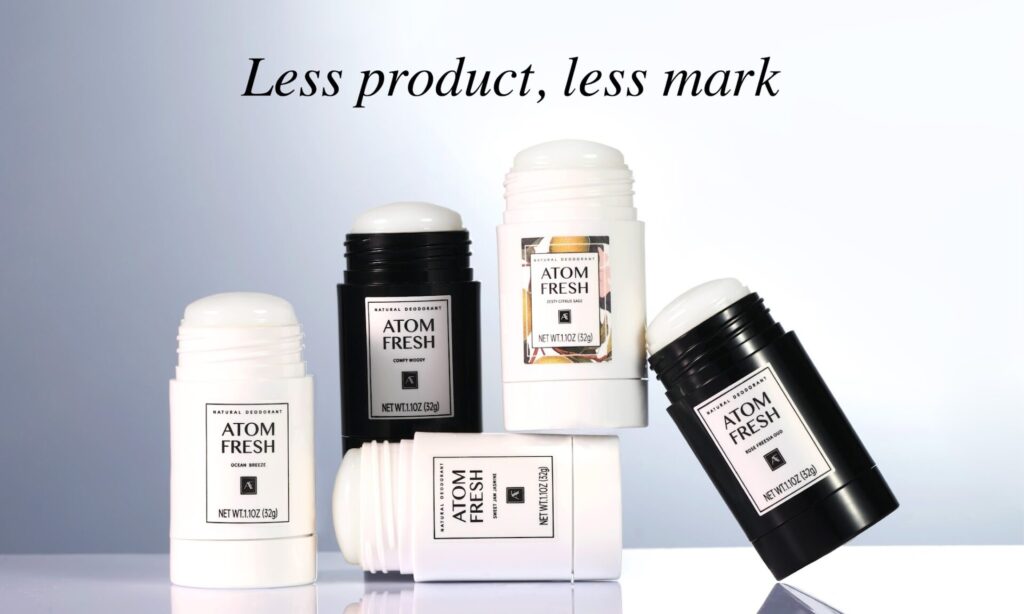
A lightweight formula, such as Natural Deodorant Balm, can help reduce visible residue compared with heavier, waxier textures.
Wash Shirts Frequently
Your sweat and deodorant can build up on shirts over time.
Washing your shirts more often, especially if you wear them frequently or are a light sweater. This can prevent staining and buildup of deodorant residue.
Quick Stain Prevention Checklist
1. Apply a thin layer, not a thick one
2. Wait 30–60 seconds before getting dressed
3. Don’t add a new product over old residue
4. Wash shirts before stains build up
5. Treat stains before using the dryer
6. Pick a formula that doesn’t leave heavy buildup
7. Keep a travel-size deodorant set handy for quick refreshes on busy days
Deodorant stains do not have to ruin your favorite shirts. A few minor modifications to your technique, products, and dressing schedule can make all the difference. Stay fresh, keep your clothes clean — you don’t have to choose between them.
Other Articles You May Find of Interest...
- Where Smelling Salts Are Sold and Why They Require Caution
- Why Vancouver’s Humidity Can Make Leather Seats Sticky—and Why Interior Cleanliness Matters
- Comfort Is a Design Decision: How Profile Shape Changes the Way a Ring Wears
- What’s Inside the Smelling Salts on Every Hockey Bench
- What Fresh Flowers Do for a Room (and a Mood), and How to Keep a Bouquet Alive Twice as Long
- Do Bed Bugs Bleed? The Stains on Your Sheets Explained
- How Shared Meals and Interactive Dining Can Create More Meaningful Social Gatherings