




Your Health Magazine Contributor
4201 Northview Drive
Suite 102
Bowie, MD 20716
More Dental Health Articles
Finding the Best Dental Care for Your Family’s Needs
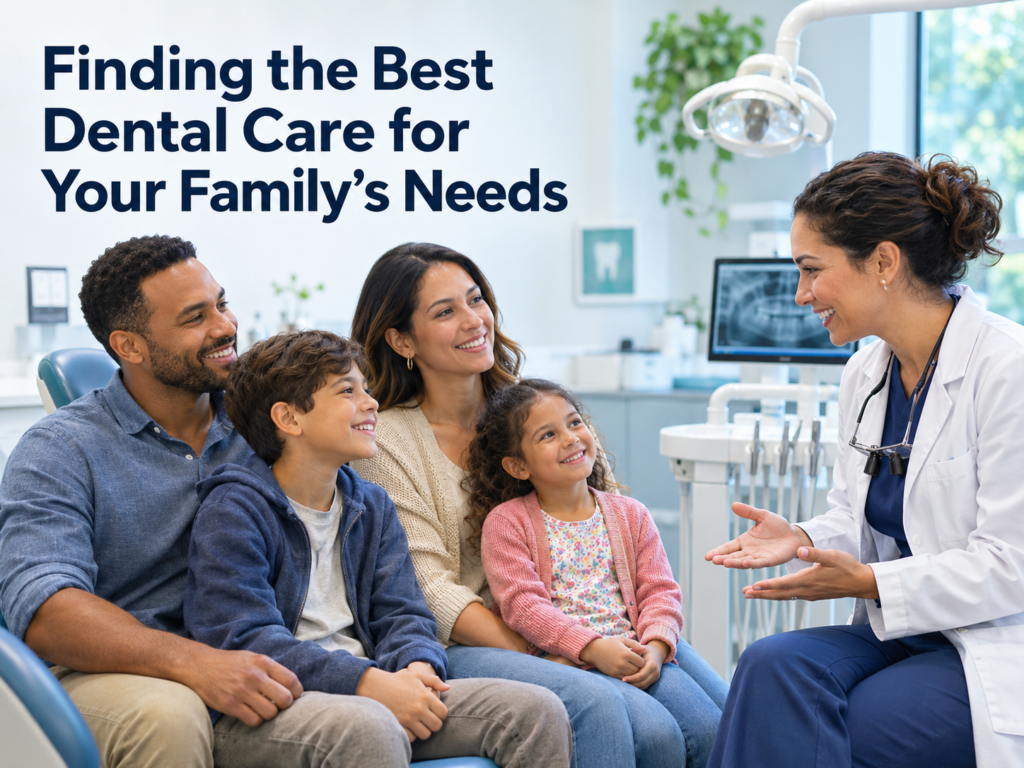
Choosing a dental practice for your family is an important decision. Children, adults, and older family members can have very different oral health needs. The right dental team should provide suitable care for every age while making each patient feel safe, heard, and respected.
Good family dental care is not only about treating tooth pain. It also helps prevent cavities, gum problems, infections, and tooth loss before they become serious. If you are searching for a family dentist in Toms River, a trusted practice can support your family through many stages of life and make dental visits easier to manage.
What Does Family Dental Care Include?
Family dental care brings many common dental services together in one practice. It may include examinations, professional cleanings, fillings, crowns, gum care, cosmetic treatment, and urgent appointments. This allows parents, children, and older adults to receive appropriate care in a familiar setting.
A Family Dental Care Clinic should focus on both prevention and treatment. The dental team should explain what they find, discuss suitable options, and help patients make informed choices. It should never feel as if every patient is receiving the same treatment plan.
Not every family dentist provides every advanced procedure. Some practices work closely with Dental specialists when a patient needs complex care. A good dentist will explain why a referral is needed and help coordinate the next stage of treatment.
Understand Your Family’s Dental Needs
Dental needs change throughout life. A young child may need help learning how to brush, while an adult may need treatment for gum disease or a damaged tooth. Understanding these differences can help you select a practice that is prepared to care for your entire family.
Dental Care for Babies and Young Children
Early dental visits help children become familiar with the dental office. They also allow the dentist to check tooth development and help parents learn about brushing, fluoride, feeding habits, and cavity prevention. The American Academy of Pediatric Dentistry recommends establishing a dental home by a child’s first birthday.
The first appointments are often simple and gentle. The dentist may examine the teeth and gums, discuss thumb-sucking or pacifier use, and show parents how to clean small teeth. A calm early experience can make future visits feel more familiar and less stressful. Parents looking for children’s dental care in Toms River can ask whether the practice sees young children and how it helps them feel at ease.
Dental Care for Children and Teenagers
School-age children need regular checks as their permanent teeth begin to appear. Dentists may recommend fluoride treatments or sealants based on the child’s cavity risk. They can also watch how the teeth and jaws are developing over time.
Teenagers may need help with braces, sports mouthguards, wisdom teeth, or habits that affect their oral health. Sugary drinks, irregular brushing, and missed dental visits can create problems during these years. A supportive dentist can provide guidance without making a young patient feel judged.
Dental Care for Adults
Adults often need a combination of preventive and restorative care. Regular examinations can identify cavities, gum inflammation, worn teeth, old fillings, and other concerns. Treating a problem early may help prevent the need for more involved care later.
Some adults may also want to improve the appearance of their smile. Whitening, dental bonding, tooth-colored restorations, or other cosmetic options may be available. The dentist should explain the benefits, limitations, expected cost, and maintenance needs before treatment begins.
Dental Care for Older Adults
Older adults may experience dry mouth, gum disease, worn teeth, or missing teeth. Medicines and health conditions can also affect oral health and influence the treatment plan. A dentist should review these factors before recommending any procedure.
Patients with dentures, bridges, or dental implants still need ongoing care. The dentist must check the supporting gums, bone, remaining teeth, and restorations. An accessible office and a patient dental team can make these visits more comfortable.

Look for Important Dental Services
Before selecting a practice, learn which services are available in the office. A broad range of care can save time and reduce the need to visit several locations. When comparing options for dental care in Toms River, remember that the quality of diagnosis and communication matters more than the length of the service list.
Preventive Dental Care
Preventive care may include routine examinations, cleanings, dental X-rays, fluoride applications, sealants, and oral health education. These services can help detect concerns before they cause severe pain or major damage. The recommended timing of visits should be based on each patient’s needs and risk factors.
Home care also plays an important role in prevention. The American Dental Association explains that consistent oral care at home can reduce the need for extensive dental treatment. Your dentist can recommend suitable brushing and interdental-cleaning methods for each member of your family.
Restorative Dental Treatment
Restorative treatment repairs teeth that are decayed, cracked, worn, or missing. Common options include fillings, crowns, bridges, root canal treatment, dentures, and dental implants. The correct solution depends on the condition of the tooth, supporting bone, general health, and personal needs.
A dentist should show or clearly describe the problem before recommending treatment. Patients should understand what may happen if they wait and whether other reasonable options exist. A written treatment plan can make costs and steps easier to review.
Cosmetic Dental Options
Cosmetic dentistry focuses on the appearance of teeth and smiles. Services may include professional whitening, bonding, veneers, and tooth-colored restorations. Some procedures improve appearance only, while others may also restore damaged tooth structure.
Ask about realistic results before choosing cosmetic treatment. The dentist should discuss how long the result may last and what future maintenance may be required. Be careful with any provider who promises a perfect or permanent result without first examining your oral health.
Emergency Dental Care
A good family practice should explain how it handles urgent problems. Emergency Dental Care may be needed for severe tooth pain, facial swelling, dental trauma, uncontrolled bleeding, or a knocked-out tooth. Knowing whom to call can prevent confusion during a stressful situation.
If you need emergency dental care in Toms River, ask whether the practice offers same-day appointments and what patients should do outside normal hours. The ADA advises dental practices to provide patients with clear instructions for accessing help when an emergency occurs. Saving your dentist’s number in your phone before you need it can save valuable time.
Qualities of a Good Family Dentist
Good Family Dentists combine clinical skill with clear and respectful communication. They should listen to concerns, explain findings in simple language, and allow patients time to ask questions. Children and nervous adults may need extra patience before they feel comfortable.
A trustworthy dentist should focus on the patient’s actual needs. Recommendations should be supported by an examination, appropriate imaging, and a clear reason for treatment. Patients should not feel pressured to accept an expensive procedure immediately when the situation is not urgent.
It is also helpful when the dental team understands different ages, health conditions, and comfort levels. When you meet a new Toms River dentist, ask whether the practice accommodates people with disabilities, dental anxiety, or special healthcare needs. These details can greatly affect your family’s experience.
Evaluate the Dental Office Experience
The office environment can tell you a great deal about a practice. Treatment rooms and shared spaces should appear clean and organized. Team members should follow proper safety, sterilization, and privacy procedures.
Modern equipment may support more comfortable or accurate care. Digital X-rays, intraoral cameras, and digital impressions can help with diagnosis and treatment planning. Still, technology should support professional judgment rather than replace a careful examination.
Pay attention to the way the team communicates from your first call. Helpful staff should explain appointments, forms, insurance processes, and office policies clearly. Consistent communication is especially valuable when several family members receive care at the same practice.
Consider Convenience and Accessibility
Convenience matters because difficult scheduling can lead to missed visits. Look at the office location, hours, parking, accessibility, and appointment availability. Some practices may allow parents and children to schedule appointments close together.
Families looking for a dentist in Toms River, NJ, may also want to consider travel time from home, school, or work. A nearby practice can make routine and urgent visits easier to manage. However, convenience should be considered together with care quality and patient comfort.
Ask whether the office provides online forms, text reminders, or digital appointment requests. These simple features may make it easier to organize care for several people. They are especially helpful for families with busy or changing schedules.

Research Dentists Carefully
Personal recommendations can be useful when searching for a new dentist. Ask relatives, friends, or healthcare providers about their experiences with communication, comfort, and follow-up care. Their comments may reveal details that are not obvious on a practice website.
Online dentist directories can help you find a Toms River dentist by location, accepted insurance, and listed services. General dentist directories may also provide education, licensing details, office information, and patient feedback. However, directory listings should be a starting point rather than the only basis for your decision.
Read a range of recent reviews and look for repeated patterns. One negative comment does not always represent the entire practice, just as a perfect rating does not guarantee the right fit. Give more attention to specific comments about cleanliness, explanations, billing, comfort, and emergency support.
Understand Insurance and Treatment Costs
Before scheduling, confirm whether the practice accepts your dental insurance. Ask whether it is in-network and how estimates, deductibles, copayments, and annual benefit limits are handled. Insurance acceptance does not always mean every procedure will be fully covered.
Request a written estimate before non-emergency treatment begins. It should show the planned procedures, expected insurance contribution, and estimated patient balance. Remember that an insurance estimate may change after the company reviews the completed claim.
If you do not have insurance, ask about payment methods and available arrangements. Compare complete treatment plans rather than looking only at the lowest advertised price. A low starting fee may not include X-rays, follow-up visits, or the final restoration.
Warning Signs to Notice
Be cautious if a practice recommends major treatment without explaining the diagnosis. Patients should be able to understand why care is needed and what reasonable alternatives may exist. When appropriate, the dentist may use X-rays, photographs, or models to support the explanation.
Unclear charges are another warning sign. Ask for a written plan when several procedures are involved, and question any fee that you do not understand. A professional practice should be willing to explain its billing policies without making you feel uncomfortable.
Poor cleanliness, rushed visits, dismissive behavior, and repeated communication problems also deserve attention. A single delay can happen anywhere, but regular problems may show how the office operates. Trust your observations when deciding whether a practice feels right for your family.
Prepare for Your First Family Visit
Before the first appointment, gather medical histories, medication lists, insurance details, and previous dental records when available. Tell the office about allergies, health conditions, dental fears, or special support needs. Accurate information helps the dentist plan safer, more personal care.
Prepare children with simple and positive language. Explain that the dentist will count and check their teeth, but avoid promising that nothing will feel uncomfortable. Bringing a familiar comfort item may help a young child settle into the new environment.
During the visit, ask questions and take notes if the treatment plan is complex. Make sure you understand the recommended next step and the reason for it. Use this first appointment to learn about your family’s needs and begin building a long-term care plan.
Support Oral Health at Home
Dental visits are only one part of maintaining a healthy mouth. Family members should brush with fluoride toothpaste, clean between their teeth, and follow advice suited to their age and oral health. Young children often need an adult’s help until they can brush carefully on their own.
Limit how often teeth are exposed to sugary snacks and drinks. Water is usually a better everyday drink for oral health than sweetened beverages. A balanced diet also supports the teeth, gums, and overall health.
Watch for tooth pain, bleeding gums, swelling, broken teeth, or changes in the mouth. Do not wait for the next routine visit when a problem appears. Early evaluation may provide more treatment options and reduce discomfort.
When Specialist Care May Be Needed
A family dentist can manage many common dental concerns, but some patients need advanced care. Referrals may be made to an orthodontist, endodontist, periodontist, oral surgeon, pediatric dentist, or prosthodontist. The type of specialist depends on the diagnosis and complexity of treatment.
A referral does not mean the family dentist cannot help. It often means the patient would benefit from focused training or equipment. The family dentist should share the necessary records and continue coordinating general care.
Building a Long-Term Dental Relationship
The best dental practice should feel like a reliable healthcare partner. Regular visits allow the team to follow changes in the teeth, gums, bite, and previous dental work. Familiarity may also make it easier for patients to discuss fear, discomfort, or financial concerns.
Stay involved by asking questions and updating the office about changes in medicines or health conditions. Follow home-care instructions and attend recommended follow-up appointments. Open communication helps the dental team provide more suitable care over time.
Final Thoughts
Finding the right dental care means looking beyond location or price alone. Consider the practice’s services, communication, cleanliness, accessibility, emergency support, and experience with different age groups. The right team should make every family member feel respected and informed.
If you are comparing options for dental care in Toms River, NJ, schedule an introductory appointment before committing to extensive treatment. Use the visit to ask questions and observe how the team treats patients. A thoughtful choice of family dentist in Toms River can support your family’s oral health for many years.
Other Articles You May Find of Interest...
- Which Water Flosser Tip Should You Use? A Guide to Different Attachments
- Finding the Best Dental Care for Your Family’s Needs
- Comparing Family Dental Practices in Southwest Las Vegas: Services, Scheduling, and Patient Considerations
- Sedation Dentistry For a MoreComfortable Dental Experience
- Helping Children Develop a Positive Attitude Toward Dental Care
- What Dental Implants Are and How They Work
- Dental Anxiety: Sedation and Comfort Dentistry




