Your Health Magazine Contributor
4201 Northview Drive
Suite 102
Bowie, MD 20716
More Dental Health Articles
Which Water Flosser Tip Should You Use? A Guide to Different Attachments
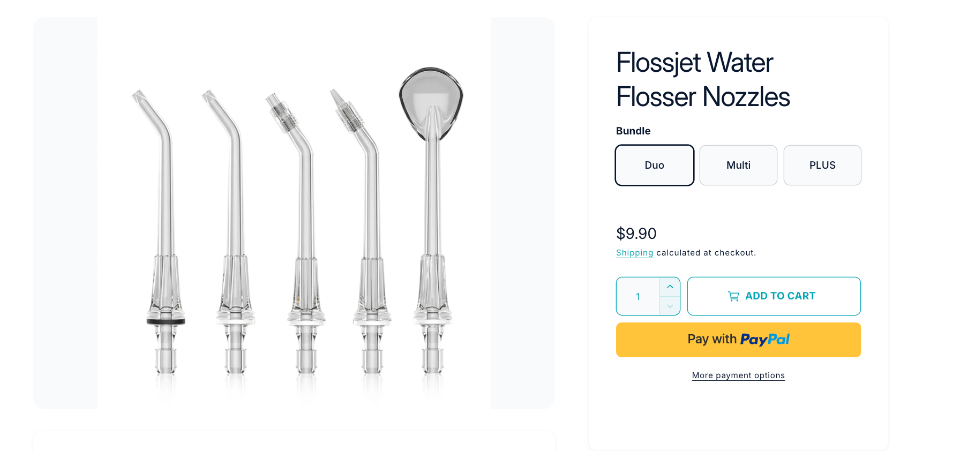
Water flossers come with a variety of tips, each designed for a different oral care task. Some are intended for everyday cleaning between teeth, while others help reach around braces or clean the tongue. If you’re looking for a device that accommodates different cleaning needs, products such as Flossjet Official offers interchangeable attachments that let you customize your routine. Understanding what each tip does can help you choose the right accessories and get more out of your water flosser.
Start With the Area You’re Trying to Clean
The easiest way to choose a water flosser tip is to identify the area that needs attention. Are you cleaning ordinary spaces between teeth? Working around orthodontic brackets? Following a specific gum care routine? Or looking for a convenient way to clean your tongue?
Most people can start with a standard attachment for everyday water flossing. Specialty attachments are useful when you have additional cleaning needs. Their shapes, sizes, and designs allow you to approach different areas of your mouth more effectively.
The following table offers a quick overview of the main attachment categories and their intended uses.
| Your Cleaning Goal | Recommended Tip Type | Main Purpose |
| Everyday cleaning between teeth | Standard jet tip | Rinse food particles from between teeth and along the gumline |
| Cleaning around fixed braces | Orthodontic tip | Reach around brackets and wires |
| Specialized gum care | Periodontal tip | Support a personalized periodontal cleaning routine |
| Cleaning the tongue | Tongue-cleaning attachment | Help remove buildup from the tongue surface |
Four Water Flosser Attachments and Their Uses
- Standard Tips: Your Everyday Starting Point
The standard tip is designed for everyday cleaning between teeth and along the gumline. When using a standard tip for the first time, select the lowest pressure setting. Lean over the sink and place the nozzle inside your mouth before switching on the device. Direct the water stream at a 90-degree angle to the gumline and gradually move from the back teeth toward the front, pausing briefly between teeth.
Following a consistent route around your mouth makes it easier to cover each area without missing the back teeth. As you become comfortable with the sensation, gradually adjust the water pressure to a level that suits you. Switch off the device before removing the nozzle from your mouth.
- Orthodontic Tips: Cleaning Around Brackets and Wires
Fixed braces create additional spaces where food particles can collect. The areas around brackets and beneath orthodontic wires often require extra attention during daily cleaning.
Orthodontic tips are specifically designed to help reach around these structures. Some feature small bristles, while others use specialized nozzle shapes to direct water toward difficult-to-reach areas.
An orthodontic attachment can make your evening cleaning routine more convenient, particularly after eating foods that tend to collect around brackets. Use the technique specified for your attachment and incorporate it alongside the brushing and interdental cleaning methods recommended by your orthodontist.
- Periodontal Tips: Supporting Specialized Gum Care
Periodontal tips are designed for more specific gum care needs. Their specialized shape allows users to direct water toward areas that require particular attention.
If your dentist or hygienist has recommended a periodontal attachment, ask them to demonstrate the appropriate positioning and pressure setting. The technique can differ from everyday cleaning with a standard jet tip.
Having a dedicated attachment for periodontal care allows you to adapt your water-flossing routine to your individual oral health needs.
- Tongue Cleaners: Extending Your Oral Care Routine
A tongue-cleaning attachment typically has a broader shape than a standard water flosser nozzle. Its design helps remove buildup from the tongue surface, making it a useful addition to a comprehensive oral hygiene routine.
Use gentle movements and follow the operating instructions for your specific attachment. Including tongue cleaning alongside brushing and interdental cleaning can help you maintain a fresher feeling in your mouth throughout the day.
Choosing a Water Flosser With Interchangeable Tips
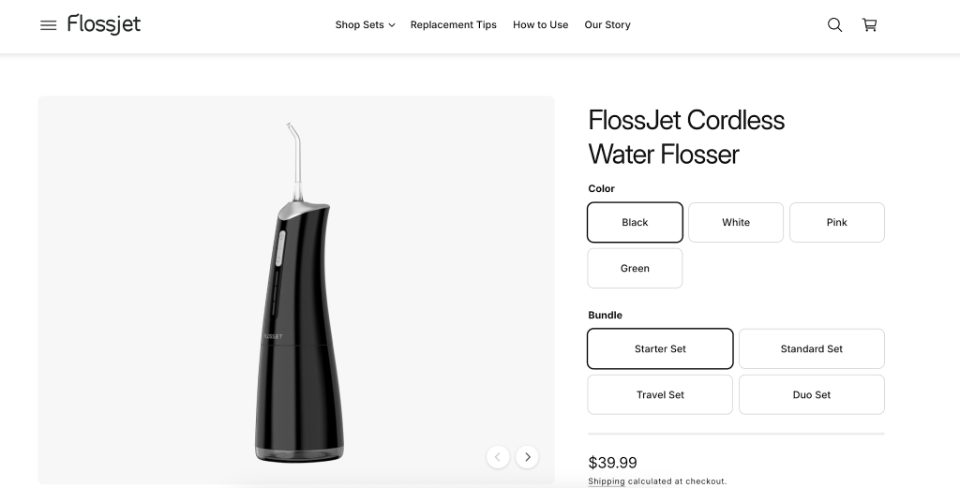
Water flossers with interchangeable tips allow users to adapt their cleaning routine to different oral health needs. The Flossjet Cordless Water Flosser is one example, offering multiple attachments and adjustable water pressure. When comparing devices, consider tip compatibility, pressure settings, ease of cleaning, and whether the available attachments meet your individual needs.
Water flossers may be sold with different combinations of standard and specialty attachments. Check which tips are included and whether compatible replacements are available.
A package containing both standard and specialty tips may be useful for households with different oral care needs. Consider how many attachments you will actually use, whether they are compatible with your device, and how they should be stored between uses.
Replace attachments according to the manufacturer’s recommendations, particularly when nozzles or bristles show signs of wear.
How to Change Your Water Flosser Tip
Changing a Flossjet tip takes just a few simple steps. Turn off the device, press and hold the tip-release button, and remove the current attachment. Insert a compatible replacement tip until it clicks securely into place. Rotate the nozzle to a comfortable angle, and you’re ready to continue your cleaning routine.
When trying a new attachment, take a moment to familiarize yourself with its shape and intended use. Choose the appropriate pressure setting and practice positioning the nozzle comfortably.
Once you’ve finished cleaning, switch off the device, empty the water reservoir, and clean the attachment according to its care instructions.
If you regularly switch between several tips, consider keeping them in separate compartments. This makes it easier to identify the attachment you need and keeps your bathroom essentials organized.
Questions Worth Asking Before Buying Extra Tips
Will any brand’s water flosser tip fit my device?
Tip compatibility varies between manufacturers and models. Check your device’s compatibility information and select attachments designed to fit it securely.
Does a five-tip package mean five identical nozzles?
Not necessarily. Some packages contain several identical standard tips, while others combine standard and specialty attachments. Check the package contents to determine which types are included.
How often should water flosser tips be replaced?
Follow the recommended replacement schedule for your specific attachment. Regularly inspect tips for signs of wear, damage, or deteriorating bristles. Keeping replacement attachments available makes it easy to maintain your cleaning routine.
Do I need to use every specialty tip in the box?
Choose attachments according to your individual oral care needs. A standard tip can cover everyday water flossing, while specialty attachments offer additional options for orthodontic care, periodontal care, or tongue cleaning.
Make Each Attachment Work for You
Your oral care needs may change over time. Starting orthodontic treatment, traveling more frequently, or developing new cleaning habits can all influence the accessories you find useful. A water flosser with interchangeable tips gives you the flexibility to adapt your routine as those needs change. Once you become familiar with your preferred attachments, switching between them becomes a simple part of taking care of your teeth.
Other Articles You May Find of Interest...
- Comprehensive Local Dental Care Helps Cold Lake Families Manage Their Oral Health Needs
- Choosing a Dentist in St. Albert: What Families Should Know Before Booking
- Which Water Flosser Tip Should You Use? A Guide to Different Attachments
- Finding the Best Dental Care for Your Family’s Needs
- Comparing Family Dental Practices in Southwest Las Vegas: Services, Scheduling, and Patient Considerations
- Sedation Dentistry For a MoreComfortable Dental Experience
- Helping Children Develop a Positive Attitude Toward Dental Care