Your Health Magazine Contributor
4201 Northview Drive
Suite 102
Bowie, MD 20716
More Complementary & Integrative Healthcare Articles
Kumbhaka: What Breath Retention Actually Is, And How To Practise It Safely
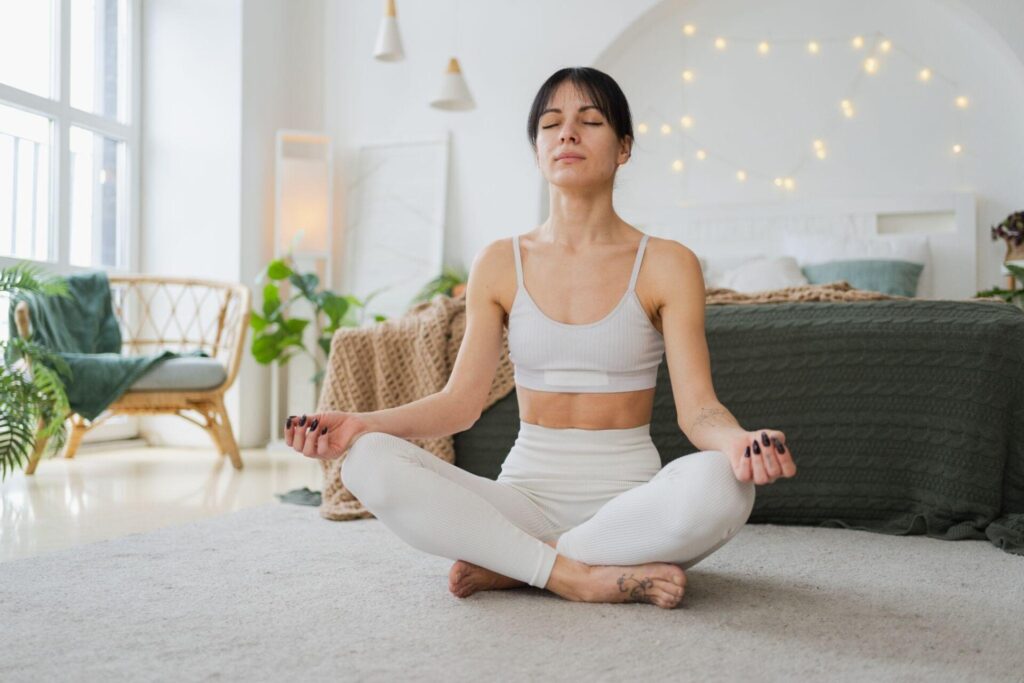
“The hardest part of retention is not the hold. It is keeping count while you hold. That is why the old texts gave ratios — and why most people need something outside themselves, a teacher or a rhythm, before the pause becomes comfortable.” – Niraj Naik, founder of SOMA Breath®
Most of us think of breathing as two moves: in and out. The old yogis cared just as much about a third one. The pause.
In Sanskrit, that pause is called kumbhaka. The word comes from kumbha, meaning “pot.” A pot holds water without spilling it. In kumbhaka breathing, the body holds the breath in the same still way.
This guide explains what a breath hold does inside your body, which kumbhaka pranayama benefits research supports so far, how to practice safely, and which kumbhaka the classical texts call the most powerful.
What Is Kumbhaka Breathing?
Kumbhaka breathing is the conscious retention of the breath. In the Hatha Yoga Pradipika, kumbhaka is so central that the word is used almost as a synonym for pranayama itself. There are three main forms of retention:
- Antara kumbhaka: holding the breath after you inhale, with the lungs full.
- Bahya (bahir) kumbhaka: holding the breath after you exhale, with the lungs empty.
- Kevala kumbhaka: a natural, effortless pause in breathing that arises on its own in deep meditation.
The first two are called sahita kumbhaka, meaning “joined” to an inhale or exhale. You practise them on purpose. The third is not something you do. It is something that happens when the breath and mind become very still.
If the idea that how you breathe can change how you feel is new to you, it is worth starting with the basics of how breathing shapes your metabolism, digestion and sleep before adding a hold to the picture. Retention is an advanced layer on top of ordinary, well-organised breathing.
What Happens in Your Body During Kumbhaka Breathing
A breath hold looks passive from the outside. Inside, several systems respond within seconds. Knowing what they are makes the practice less scary and far more precise.
The urge to breathe is driven largely by rising CO2
When you hold your breath, carbon dioxide (CO2) builds up in the blood while oxygen gradually falls. Rising CO2 is usually a major driver of the urge to breathe during a short hold, but oxygen levels still matter and can become unsafe during prolonged or forced breath retention.
So the first wave of air hunger in a short hold is often driven largely by rising CO2. A recent review of how pranayama works notes that regular practice may change the body’s response to CO2, but breath holds should remain comfortable and should not be pushed to dizziness, faintness or distress.
CO2 helps oxygen reach your cells
CO2 is not just waste. A small rise in CO2 makes the blood slightly more acidic. This helps hemoglobin let go of the oxygen it carries, so more of it reaches your tissues. Physiologists call this the Bohr effect.
This is also why fast, heavy breathing can backfire. Blowing off too much CO2 makes hemoglobin hold on to oxygen more tightly, which can leave you light-headed rather than energized. Once you understand the science behind breathwork, the logic of kumbhaka becomes clear: the hold is not about taking in more air, but about letting CO2 do its job.
Your heart slows down
Holding the breath triggers a mild form of the “diving response,” a reflex we share with seals and whales. The vagus nerve slows the heart to save oxygen. A 2023 meta-analysis on the diving response found that breath holding raises cardiac vagal activity, and the effect grows stronger when the face is cool.
Blood pressure and brain blood flow shift
Retention after exhaling is more intense than it looks. In a pilot study on bahya kumbhaka, 19 healthy young adults did three 30-second rounds of the hold. Their systolic blood pressure rose during the holds and then returned to normal. Diastolic pressure stayed higher for a while afterward.
Another study using ultrasound found that bahya kumbhaka increased blood flow speed in a major artery of the brain. These are strong, useful signals. They are also the reason people with heart or blood pressure problems need to be careful.
Kumbhaka Pranayama Benefits: What the Evidence Says
The physiology above explains most of the kumbhaka pranayama benefits practitioners report. Here is what we can say with some confidence, and where the research is still thin.
1. A calmer nervous system
Slow breathing with retention seems to strengthen the baroreflex. This is the system that keeps your blood pressure steady from moment to moment. Researchers link this to greater vagal activity, the “rest and digest” side of the nervous system.
2. Better tolerance of air hunger
As CO2 sensitivity drops, the feeling of breathlessness becomes less alarming. Many students notice they stay calmer when stressed, when climbing stairs or when speaking in public.
3. A quieter mind
During a hold, the mind often goes still for a few seconds. Patanjali describes pranayama as the pause in the flow of breath (Yoga Sutra 2.49) and places it just before withdrawal of the senses and concentration. Retention is the bridge between the two.
How To Practise Kumbhaka Pranayama
Before you begin
- Practise on an empty stomach, at least two to three hours after a meal.
- Sit with a tall spine: on a cushion, in Sukhasana or Vajrasana, or on a chair.
- Breathe through the nose.
- Make sure you can breathe smoothly into the belly first. If that is new, this walkthrough of belly breathing for anxiety relief is a good place to build the base.
- Read the contraindications below before your first round, not after.
Safety and Contraindications
Breath retention can temporarily raise blood pressure and should not be treated as a test of endurance. Practise seated or lying down, and never practise breath holds in water, while driving, or anywhere that fainting could cause injury. Do not deliberately hyperventilate before a breath hold to make it last longer, because lowering CO2 can delay the urge to breathe while oxygen continues to fall.
People who are pregnant, have high blood pressure or cardiovascular disease, or have a medical condition affecting breathing or consciousness should speak with a healthcare professional before practising breath retention. Stop immediately if you feel faint, develop chest pain, palpitations, confusion or other concerning symptoms.
Research specifically notes cardiovascular and blood-pressure changes during kumbhaka and recommends caution in people with hypertension or cardiovascular disease.
Step by step
- Settle in. Breathe naturally for two minutes. Let the exhale grow a little longer than the inhale.
- Set a count. Inhale through the nose for a count of 4.
- Hold after the inhale (antara kumbhaka). Keep the breath in for 4 counts. Keep your throat soft and your face relaxed. Do not clamp the breath shut with force.
- Exhale slowly. Breathe out for 4 counts, or for 8 once you are comfortable.
- Repeat for 5 to 10 rounds. Then return to natural breathing.
- Add the hold after exhaling (bahya kumbhaka) later. Once antara kumbhaka feels easy, add a short pause of 2 to 5 counts after the exhale.
- Finish with stillness. Sit quietly for two minutes and notice how you feel.
Here is one simple rule to keep you safe. The next inhale should be as smooth as the last one. If you gasp after a hold, it was too long. Shorten it next round.
If you want a gentle bridge into longer holds, try Viloma pranayama. Its short pauses within each breath train the same control without the strain of one long hold.
Which Kumbhaka Is Most Powerful?
According to the texts, the answer is kevala kumbhaka. But there is a catch. You cannot force kevala kumbhaka. It is the fruit of long, steady practice of sahita kumbhaka. One day, often in meditation, the breath simply pauses on its own. There is no urge to breathe and no strain. The mind is still.
Among the forms you can practice on purpose, the answer to which kumbhaka is most powerful depends on what you mean by “powerful.”
- Bahya kumbhaka is the most intense. With empty lungs, you have a smaller oxygen store, so oxygen falls faster. As the studies above show, it also causes the biggest shifts in blood pressure and brain blood flow. It is energizing and sharpening, but it is also the least forgiving.
- Antara kumbhaka is the most accessible. Full lungs give you a larger buffer. Combined with a long exhale, it is the best choice for calming the nervous system.
- Kevala kumbhaka is the deepest. It is less a technique and more a sign that your practice has matured.
Kumbhaka in Modern Breathwork
You may already be doing kumbhaka without knowing it. Many popular methods today are built around the same pause the yogis described centuries ago.
- Box breathing (4 : 4 : 4 : 4) uses both antara and bahya kumbhaka in equal measure. It is a favorite of athletes and first responders.
- 4-7-8 breathing is antara kumbhaka with a long exhale. The 7-count hold is what gives it its calming effect.
- Retention after rapid breathing, used in several modern methods, is a fast-paced cousin of Bhastrika followed by bahya kumbhaka.
The difference lies mostly in pace and purpose. Classical pranayama moves slowly and treats retention as a doorway to meditation. Most modern breathwork techniques use the same pause for energy, stress relief or performance, often pairing it with faster breathing or music. Seeing them side by side makes it easier to choose the style that fits your goal.
Whichever style you choose, the same rules apply. Build slowly, respect the urge to breathe and never practice retention in water.
Start With a Four-Count Pause
Kumbhaka breathing is simple to learn and deep enough to practice for a lifetime. Start with a gentle 4 : 4 : 4 count. Keep every hold easy. Let the ratio grow over weeks, not days.
Over time, the pause stops feeling like something you endure. It becomes a moment of stillness you look forward to. That stillness is where pranayama turns into meditation.
Want to keep building your practice? Explore more guides on pranayama, meditation and yogic living on the Yoga Chaitanya blog.
About the Contributor

Niraj Naik is an ex-pharmacist turned holistic health expert and founder of the International School of Breathwork SOMA Breath. After working for several years as a community pharmacist, Niraj became interested in holistic health and approaches beyond conventional medication. When he found himself a patient of stress-related depression and ulcerative colitis, he embarked on a journey of profound self-healing and education. Known internationally as the Renegade Pharmacist, Niraj is dedicated to educating others on topics of holistic health, breathwork, and meditation. As a leading figure in this field, he teaches breathwork and guides individuals who wish to become a breathwork facilitator. Through his work, Niraj helps people transform their lives and advance their careers in holistic health.
Other Articles You May Find of Interest...
- Kumbhaka: What Breath Retention Actually Is, And How To Practise It Safely
- Choosing a TCM Acupuncture Clinic in Singapore: Evidence, Registration and What to Expect
- The Paradigm Shift in Female Travel: Prioritizing Holistic Health
- Steam Room vs. Sauna: What Homeowners Should Know Before Buying
- Retreat in the Nepal Can Do More for Your Stress Than Another Vacation
- Could Mykonos After August Be an Ideal Base for a Wellness Retreat?
- Never Tried Sound Healing? Expert Reveals The Five Things Every Beginner Should Know Before Their First Session