Your Health Magazine Contributor
4201 Northview Drive
Suite 102
Bowie, MD 20716
More Complementary & Integrative Healthcare Articles
What Is Psychedelic Therapy? Preparation, the Experience and Integration Explained
Interest in psychedelics as a tool for emotional healing has grown quickly in recent years. Research, media coverage, and changing laws in some states have brought new attention to an approach that many people still find confusing. What actually happens? Is it just about the experience itself? Who guides it?
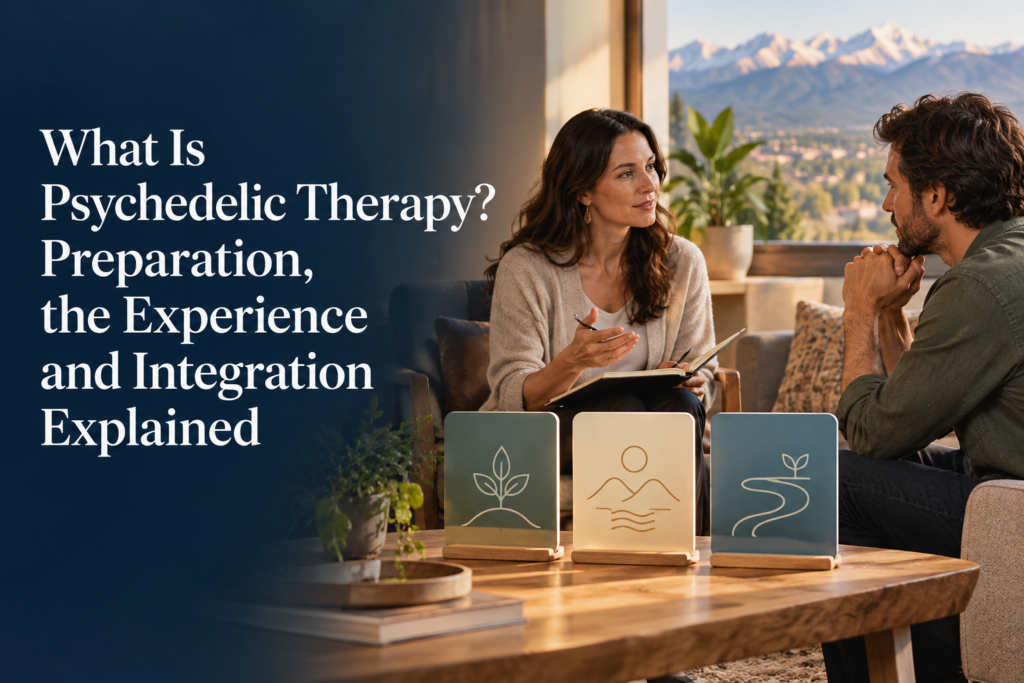
At its core, psychedelic therapy is a structured process, not a single event. It typically includes careful preparation, a supported psychedelic experience, and integration afterward. Here is a clear look at each stage and what to expect.
What Psychedelic Therapy Is, and What It Is Not
Psychedelic therapy combines a psychedelic experience with therapeutic support before, during, and after. The goal is not simply to have an unusual experience. It is to use that experience as part of a larger process of reflection, healing, and growth.
It is not recreational use, and it is not a quick fix. The experience can be powerful, but much of the meaningful work happens in the conversations and practices that surround it.
Stage One: Preparation
Preparation lays the foundation for a safe and meaningful experience. It usually includes:
- Screening: reviewing physical and mental health history, current medications, and any conditions that may make psychedelic work unsafe
- Building trust: getting to know the therapist or guide who will be present
- Setting intentions: clarifying what you hope to explore, understand, or heal
- Education: learning what the experience may feel like and how to navigate challenging moments
- Practical planning: arranging time off, transportation, and rest afterward
Preparation sessions help people feel grounded and informed rather than anxious about the unknown.
Stage Two: The Experience
The psychedelic experience itself typically takes place in a calm, comfortable setting, with a trained guide present throughout. Many people use eye shades and music to support an inward focus.
Experiences vary widely. People may notice:
- Shifts in perception, emotion, or sense of time
- Memories or emotions coming to the surface
- New perspectives on long-standing patterns
- Moments of calm, connection, or clarity
- Periods of discomfort, sadness, or fear
A skilled guide offers presence and reassurance, helping people stay with whatever arises rather than resisting it.
Psychedelic Therapy Denver offers individual, couples, and group support sessions, and outlines how each format works on its services page. The practice states that its services are provided under the personal-use provisions of Colorado’s Natural Medicine Health Act.
Stage Three: Integration
Integration is the process of making sense of the experience and bringing its insights into everyday life. It may include:
- Follow-up sessions to talk through what came up
- Journaling, reflection, or creative expression
- Identifying specific changes in habits, relationships, or perspectives
- Body-based practices such as breathwork or movement
Many practitioners consider integration the most important part of the process, because it helps turn temporary insights into lasting change.
Why a Trained Guide Matters
Psychedelic experiences can bring up intense emotions and memories. A therapist trained in trauma, psychedelic work, and integration can help people feel safe, respond to difficult moments skillfully, and make sense of the experience afterward.
Individual, Couples and Group Formats
Psychedelic therapy can take different forms. Individual sessions allow a deeply personal focus. Couples sessions can help partners explore patterns, communication, and connection together. Group experiences, often held as retreats, offer shared support and community, which some people find especially meaningful. Each format has its own preparation and integration needs, and a practitioner can help determine which fits your goals.
What It Can Feel Like Afterward
In the days following an experience, people often feel tired, emotionally open, or reflective. Some notice a lift in mood or a sense of clarity, while others feel unsettled as new insights settle in. Planning for rest, light schedules, and time to reflect can make this period easier. Integration sessions during this window are often especially valuable.
Who Should Use Caution
Psychedelic therapy is not right for everyone. People may need to avoid or carefully evaluate this work if they:
- Have a personal or family history of psychosis, schizophrenia, or bipolar disorder
- Have certain heart conditions or uncontrolled high blood pressure
- Are pregnant or breastfeeding
- Take certain medications, including some antidepressants, lithium, or other psychiatric medications
- Are in an acute crisis
A thorough screening helps identify these risks. Never stop or change a prescribed medication without guidance from your prescriber.
Questions to Ask a Practitioner
- What is your training in psychedelic work and trauma?
- How do you screen for safety?
- What does preparation involve?
- Who is present during the experience?
- What integration support do you offer?
A Process, Not a Moment
Psychedelic therapy is often described as a journey, but it is really a process: preparing thoughtfully, being supported during the experience, and doing the work of integration afterward. When each stage is given care, the experience is more likely to be safe and meaningful.
Note: This article is for general educational purposes and is not medical or legal advice. Psychedelic experiences are not appropriate for everyone and can interact with certain medications and health conditions. Talk with a qualified healthcare provider before considering this kind of work. If you are in crisis or having thoughts of suicide, call or text 988, or call 911 in an emergency.
Other Articles You May Find of Interest...
- What Is Psychedelic Therapy? Preparation, the Experience and Integration Explained
- Beyond Detox Marketing: How Responsible EDTA Suppository Brands Can Earn Long-Term Customer Confidence
- How Outcall Massage Works and Why More People Choose It
- Ayurvedic Medicine for Hypertension: Key Herbs, the Evidence and How to Use Them Safely
- A Peaceful Closing, A Hopeful Beginning
- The Language Of the Heart
- Kumbhaka: What Breath Retention Actually Is, And How To Practise It Safely