






More Complementary & Integrative Healthcare Articles
Exploring the Impacts of Marginal Cord Insertion on Pregnancy Outcomes
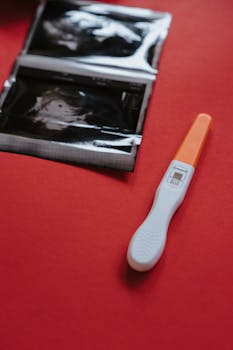
During routine prenatal scans, some expectant parents are taken by surprise when they’re informed about a marginal cord insertion. While the initial reaction might be worry, reassurance often follows with proper understanding and management. This condition arises when the umbilical cord does not connect to the center of the placenta but instead attaches to the periphery. It’s essential to comprehend how this can influence pregnancy and childbirth outcomes.
Implications of Marginal Cord Insertion
Marginal cord insertion is typically spotted during an ultrasound. While many women with this condition experience completely normal pregnancies, there are potential risks. Some concerns include reduced fetal growth due to less efficient nutrient transfer or the possibility of preterm delivery. It’s vital to have consistent monitoring and regular check-ups with your healthcare provider to manage these potential outcomes effectively.
That said, it’s also important to highlight that not all cases of marginal cord insertion lead to complications. Many women with this diagnosis go on to have healthy pregnancies and deliveries. However, having a diagnosis allows your healthcare team to make informed decisions about your care.
When to Seek Care
If you’ve been diagnosed with marginal cord insertion, staying vigilant about your prenatal appointments is crucial. Obstetricians or maternal-fetal medicine specialists are typically involved in monitoring and managing such cases. If you notice any unusual symptoms, such as decreased fetal movement or spotting, don’t hesitate to reach out to your healthcare provider immediately. Early detection of potential issues can lead to more timely interventions.
Understandably, how everyday life is affected can vary. While some women may need more frequent ultrasounds or increased rest, others may notice little change in their daily routine.
Making Informed Decisions
With the guidance of your healthcare provider, managing a pregnancy with marginal cord insertion involves regular ultrasounds to track fetal growth and ensuring that any arising complications are promptly addressed. A balanced diet and staying informed about healthy lifestyle choices can also play beneficial roles in optimizing pregnancy outcomes.
If you’ve been prescribed any medications as part of your pregnancy care, having a thorough discussion with your doctor about any side effects and how they might influence your condition is wise. Some medications can impact fetal growth or increase the risk of preterm birth, so understanding their effects is essential.
Exploring Practical Considerations
If you’re dealing with marginal cord insertion, it’s natural to wonder about day-to-day practicalities. For instance, questions might arise about the safety of continuing with exercise routines or the need for dietary adjustments. The key lies in tailoring a plan with your healthcare provider that suits your individual situation and provides you with peace of mind as you progress through your pregnancy journey.
Moreover, asking your provider about their experiences managing pregnancies with a marginal cord insertion can offer reassurance and insight into what you might expect as you approach delivery.
Common Questions
Should I see a doctor more frequently with this condition?
Yes, your healthcare provider may recommend more frequent visits to closely monitor your baby’s growth and address any potential issues swiftly.
Which type of provider is best suited for managing this condition?
Obstetricians and maternal-fetal medicine specialists are the most qualified to oversee pregnancies with marginal cord insertion.
What are the common signs that require urgent medical attention?
Decreased fetal movement, vaginal bleeding, or unusual cramping are all signs that necessitate immediate consultation with your healthcare provider.
Can lifestyle changes impact the outcomes of marginal cord insertion?
Yes, maintaining a healthy diet and lifestyle can support pregnancy health, although they cannot alter the condition itself. Regular check-ups remain critical.
Is marginal cord insertion hereditary?
There is no clear evidence suggesting that marginal cord insertion is hereditary. It’s typically detected during routine ultrasounds and is considered a sporadic condition.
- Marginal cord insertion involves the umbilical cord attaching to the edge of the placenta.
- Regular prenatal check-ups are essential to monitor fetal growth and health.
- Most women with marginal cord insertion have healthy pregnancies and deliveries.
- Any unusual symptoms, like reduced fetal movement, should be reported to your healthcare provider promptly.
- Ensuring a healthy lifestyle can support your pregnancy but won’t change the condition.
While a diagnosis of marginal cord insertion can cause apprehension, access to modern prenatal care ensures that many expectant mothers and their babies receive the monitoring and support they need for a healthy pregnancy. For more detailed information, you can always refer to reliable sources such as the Mayo Clinic.
Other Articles You May Find of Interest...
- Ayurvedic Medicine for Hypertension: Key Herbs, the Evidence and How to Use Them Safely
- A Peaceful Closing, A Hopeful Beginning
- The Language Of the Heart
- Kumbhaka: What Breath Retention Actually Is, And How To Practise It Safely
- Choosing a TCM Acupuncture Clinic in Singapore: Evidence, Registration and What to Expect
- The Paradigm Shift in Female Travel: Prioritizing Holistic Health
- Steam Room vs. Sauna: What Homeowners Should Know Before Buying
Featured Doctors and Practices





