






More Chiropractic Care Articles
Can You Reverse Cervical Lordosis for Better Spinal Health?
Imagine this: You wake up one morning and feel a persistent ache in your neck. As days go by, it doesn’t subside. You mention it to a friend, and they casually remark that it might be due to the curvature of your spine, particularly cervical lordosis. This naturally raises the question: Can you achieve a reversal of cervical lordosis, and what does that entail for your spinal health?
Understanding Cervical Lordosis
Cervical lordosis refers to the mild inward curve found in the cervical spine, the part of the spine in your neck. This curve is essential for supporting your head, absorbing shocks, and facilitating movement. However, injuries or poor posture can sometimes lead to a loss of this natural curve, causing discomfort or pain.
Can the Reversal of Cervical Lordosis Improve Health?
Reversal of cervical lordosis aims to restore the natural inward curve that can become exaggerated or flattened over time due to poor posture, injury, or health conditions. Restoring this curve might help alleviate neck pain, improve mobility, and potentially enhance your overall spinal health.
What Contributes to Cervical Lordosis Changes?
Several factors can alter the natural curvature of the cervical spine. Poor posture, such as frequent forward head positions common in those who work long hours at a computer or look down at their phones, can gradually change the curve. Injuries, like whiplash, might temporarily or permanently alter the cervical spine’s alignment. In some cases, conditions like osteoporosis or arthritis may contribute to changes in spinal curvature.
Daily Life and Cervical Lordosis
The effects of altered cervical lordosis can significantly impact daily life. Persistent neck pain or discomfort may hinder your ability to perform tasks efficiently. For some individuals, it may lead to frequent headaches or radiating pain in the shoulders and arms. Improving spinal alignment can thus enhance daily activities and overall quality of life.
How Is Cervical Lordosis Evaluated?
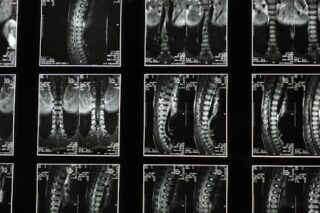
If you experience symptoms that suggest a change in your cervical spine’s curvature, a healthcare provider can evaluate your condition. This might involve physical examinations and imaging tests like X-rays or MRIs to understand the extent of curvature changes.
Exercises and Lifestyle Changes
In many cases, introducing specific exercises and lifestyle modifications can help in supporting spinal health. Physical therapy exercises that focus on strengthening neck and back muscles can promote better alignment and maintain the natural curvature. Moreover, practicing better posture, especially when sitting at a desk, is crucial to preventing further issues. Ergonomic adjustments to your workspace, such as monitor height and chair support, can also be beneficial.
When to Seek Care
It’s essential to seek evaluation from a healthcare provider if you experience persistent neck pain, headaches, or if your range of motion is limited. Chiropractors, physical therapists, and spine specialists are equipped to offer guidance and treat conditions related to cervical lordosis. Early intervention can often prevent further complications and improve outcomes.
Health Professional Guidance
For those considering treatments that might involve medications, such as pain relievers or muscle relaxants, understanding potential side effects and interactions is important. Doctors generally advise caution and recommend starting with the lowest effective dose. Discussing these options with your healthcare provider ensures that you receive personalized advice suited to your health needs.
Related Topics and Lifestyle Considerations
If weight-related concerns are contributing to posture issues, you might explore safe and effective approaches to weight management through articles like Weight Loss: Safe and Effective Approaches and Hidden Causes.
For a broader understanding of health and its impact on lifestyle, visit here.
Takeaways
- Maintaining a natural cervical curve is essential for neck health and mobility.
- Poor posture and injuries are common causes of cervical lordosis changes.
- Exercises and ergonomic adjustments are crucial for supporting spinal health.
- Consulting with healthcare providers can prevent complications.
Common Questions
When should I see a doctor about neck pain?
If neck pain persists for more than a few days, causes severe discomfort, or is accompanied by other symptoms like numbness, it’s advisable to consult a healthcare provider.
Which healthcare provider should I consult?
A chiropractor, physical therapist, or spine specialist can offer guidance and treatment for issues related to cervical lordosis.
Are there preventive measures for preserving cervical lordosis?
Yes, practicing good posture, using ergonomic furniture, and performing neck exercises can help preserve the natural curvature.
Are there consequences of doing nothing about altered cervical lordosis?
Neglecting treatment may lead to chronic pain, decreased mobility, and a potential increase in headaches or other related symptoms.
Ultimately, engaging in targeted exercises and consulting with a healthcare provider can significantly aid in the effective management and potential reversal of cervical lordosis, helping you maintain better spinal health.
Other Articles You May Find of Interest...
- Can a Chiropractor Help With Sciatica?
- Beyond the Adjustment: What a Comprehensive Approach to Chiropractic Care Looks Like
- How Long Does a Chiropractic Adjustment Last?
- Are Your Headaches Becoming Too Common? When It’s Time to Get Them Checked
- What Should You Know About Chiropractic Care Before Starting Treatment
- Spinal Decompression Therapy in Oklahoma: What to Know
- Who Can Get Spinal Decompression Therapy in Oklahoma?





