






More Child Health and Safety Articles
The Homework Meltdown Problem: How to Help Kids Focus Without a Fight
The After-School Meltdown, in Plain Terms
If you dread the daily stretch between school pickup and finished homework, you are not alone in this. Many kids hit that late-afternoon window already tired, hungry, and short on patience. Asking them to sit down and focus right then can tip the whole thing into a meltdown.
The goal is to help kids focus without turning every afternoon into a fight. This piece covers why homework meltdowns happen, what actually helps, and where a calm, caffeine-free option like Avantera Elevate Kids Gummies fits in. It is about working with your kid’s tired brain, not against it.
Why Kids Struggle Most in the After-School Window
By the time the school day ends, most kids have spent hours quietly holding it together. They have followed rules, sat still, waited their turn, and managed big feelings for six or seven hours straight. That steady effort runs down the very same mental battery they need for focus at home.
Parenting experts sometimes call the after-school unraveling a restraint collapse. Your child kept it together all day, so the moment they feel safe at home, everything they held back comes out. It looks like defiance, but it is closer to exhaustion.
Hunger makes it worse. Lunch was hours ago, energy is low, and a tired, hungry brain is a distractible one. Add a full backpack of homework, and the meltdown almost writes itself.
The after-school window also collides with a natural energy dip. Many kids run low on focus in the late afternoon, right when we ask them to sit down and concentrate. Fighting that rhythm head-on rarely works.
None of this means your child is being difficult on purpose. The after-school meltdown is a predictable mix of tiredness, hunger, and a drained ability to self-regulate. Naming it that way takes some of the heat out of the moment.
Why Caffeine or Sugar-Heavy “Focus” Snacks Make It Worse
When a kid is flagging, it is tempting to reach for a quick fix from the pantry. A sugary snack or a caffeinated drink can look like fast, easy energy in the moment. Both of them, though, tend to backfire during the after-school window and leave you worse off.
Caffeine is the clearer problem. Pediatric experts say kids under 12 should avoid caffeine entirely, since it can worsen sleep, jitteriness, and attention. Late-day caffeine also lands right before the evening, when a wired, overtired kid is the last thing any parent wants at bedtime.
Sugar is sneakier. A sugary snack spikes blood sugar fast, then drops it just as fast. The resulting crash can deepen fatigue and low mood, so the short lift is followed by a bigger slump, often mid-homework.
For kids, the caffeine-free approach is the whole point here. A late-day product built on stimulants can steal from tonight’s sleep, which only sets up a rougher morning. The pattern is the same with sugar: a quick lift, then a harder drop, on top of a kid who was already running low.
What Calm Focus Support Actually Looks Like for Kids
Real focus support for kids is not about making a kid grind harder or do more. It is about lowering the friction so their own natural focus finally has room to show up. For a tired, overstimulated child, that usually means less input, not more.
It looks like steady energy without a spike. In practice, that is a calmer, more settled state where sitting down to read does not feel like a battle. The aim is a calm body and a clear enough head to start.
Food plays a part. A snack with some protein and fiber steadies energy far better than candy. A little movement first, some water, and a short reset also help a kid come back to the table ready.
Support ingredients can play a gentle, secondary role too. Certain nutrients are studied for supporting focus, attention, and a calm mood in a low-key way, without stimulants. They work best alongside the basics, not instead of them.
The theme across all of it is the same. Steady beats spiky. A calm, supported kid can focus far more easily than a wired or crashing one, and the whole afternoon gets easier.
How Avantera Elevate Kids Gummies Fit Into an After-School Routine
According to the manufacturer, Avantera Elevate Kids Gummies is a caffeine-free dietary supplement formulated for children ages 6 and older. The product is intended to provide nutritional support for focus without relying on stimulant ingredients. The manufacturer also states that each serving contains 2 grams of added sugar and does not contain artificial sweeteners or dyes.
According to the manufacturer, the formula includes L-theanine, citicoline, Bacopa monnieri, and vitamins B6 and B12. These ingredients have been studied for their potential roles in supporting cognitive function, focus, and mood, although individual results may vary.
As with any dietary supplement, Avantera Elevate Kids Gummies are intended to complement—not replace—healthy habits such as adequate sleep, balanced nutrition, regular physical activity, and a consistent homework routine. Parents should follow the age-specific serving directions on the product label and consult their child’s pediatrician before introducing any new supplement.
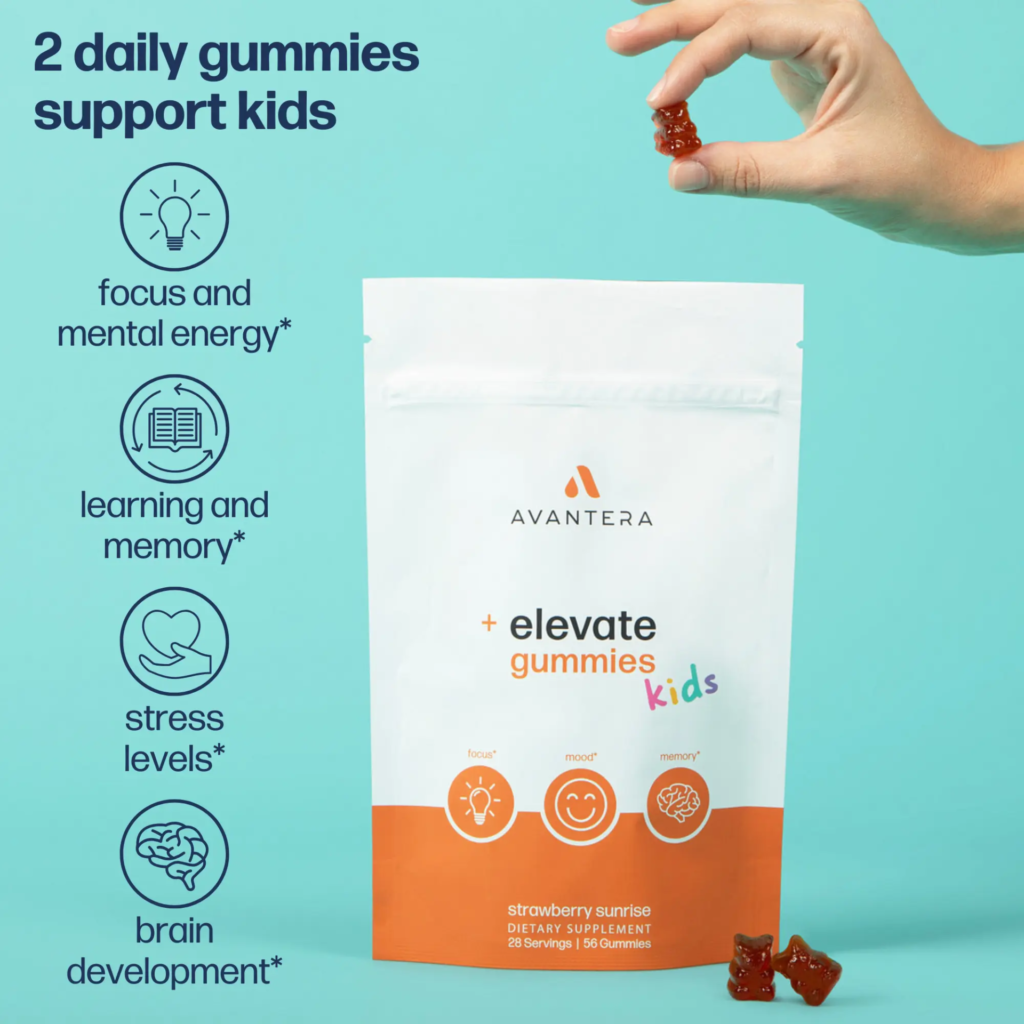
Avantera makes the gummies in the USA in a GMP-certified, FDA-registered facility. Every batch is third-party tested. You can review the full label and ingredients on the Avantera website.
Building a Homework Routine That Works With Your Kid, Not Against Them
A good after-school routine meets your kid’s tired brain where it is, rather than fighting it. The goal is to lower resistance before the homework even starts, so the hardest part becomes smaller. These small, repeatable steps help far more than willpower or nagging.
- Start with a real break. Let your kid decompress with a snack, water, and some movement or free time before anything academic. A short buffer prevents the cold jump from the bus to the worksheet.
- Keep the setup simple and consistent. Same spot, same rough time, phone out of reach, and only the supplies they need. Predictability lowers the mental load of starting.
- Break the work into small chunks. A short, clear task feels doable to a tired kid, and finishing it builds momentum. Quick breaks between chunks keep frustration from boiling over.
- Set the tone yourself. Calm, brief, and matter-of-fact beats pep talks or pressure. When you stay regulated, your kid can borrow that calm and settle in.
- Protect sleep and mornings. A rough night makes the next afternoon harder, so an earlier wind-down pays off the following day.
A routine will not erase every hard afternoon. What it does is make the start easier, which is usually the biggest fight. Once a kid begins, finishing gets a lot more likely.
When to Talk to a Pediatrician
The everyday after-school meltdown is usually normal, and it tends to ease with a steadier routine and a little time. Sometimes, though, focus struggles run deeper than a rough afternoon and deserve a professional look. Knowing the difference is worth a conversation with someone who examines kids for a living.
Check in with your pediatrician if the trouble shows up in lots of parts of their day, not just at homework time. The same goes if it is getting worse, wearing on friendships or confidence, or if your gut simply says something is off.
A pediatrician can look at the whole picture, from sleep and diet to vision and hearing and other factors that affect a child’s focus. They can also advise whether any supplement is appropriate for your child and at what age.
No article, product, or routine replaces that conversation. If you are worried, start there. Trust your instincts, since you know your child best.
Frequently Asked Questions
Why does my child melt down after school but seem fine during the day?
Because they spent all day holding it together. Kids often use up their self-control managing school, then let it go once they feel safe at home. It usually passes fastest when you lead with a snack and a break, not a lecture.
Are focus gummies safe for kids?
It depends on the product and your child. Look for options that are caffeine-free, low in sugar, third-party tested, and made for your child’s age. Always check with your pediatrician before starting any supplement.
Why does caffeine-free matter for an after-school focus product?
Because caffeine late in the day can backfire for kids. It can worsen sleep and add jitteriness right when you want them winding down. A caffeine-free option supports focus without borrowing energy from bedtime.
How can I calm homework time without any supplement?
Start with the basics, since they do most of the work. A real break after school, a snack with protein and fiber, a quiet and consistent workspace, small chunks of work, and enough sleep all help. A calm parent tends to help more than any single trick.
Can a gummy replace a good homework routine?
No. A gummy is at most a small support, not a fix. The routine, a real after-school break, steady snacks, and enough sleep do the heavy lifting. Treat any focus supplement as one small piece used alongside the basics.
Disclaimers
These statements have not been evaluated by the Food and Drug Administration. This product is not intended to diagnose, treat, cure, or prevent any disease. This article is for general educational purposes and is not medical advice. Always talk to your child’s pediatrician before giving them any supplement.
Other Articles You May Find of Interest...
- Does Red 40 Cause Autism? What the Evidence Actually Shows
- Sports Physicals in 2026: What They Check, Why They Matter, and How to Know Yours Was Done Right
- Can Milk Cause Diaper Rash?
- How to Collaborate Effectively with Your Child’s Educational and Therapy Team for Autism
- 6 Vitamins for Picky Eaters to Consider in 2026
- Metabolic Disorders in Children: Symptoms, Testing, and Care
- Lambskin for Babies: 7 Things Parents Should Know





