




Your Health Magazine Contributor
4201 Northview Drive
Suite 102
Bowie, MD 20716
More Child Health and Safety Articles
How Play-Based Learning Can Support Skill Development in Children With Autism
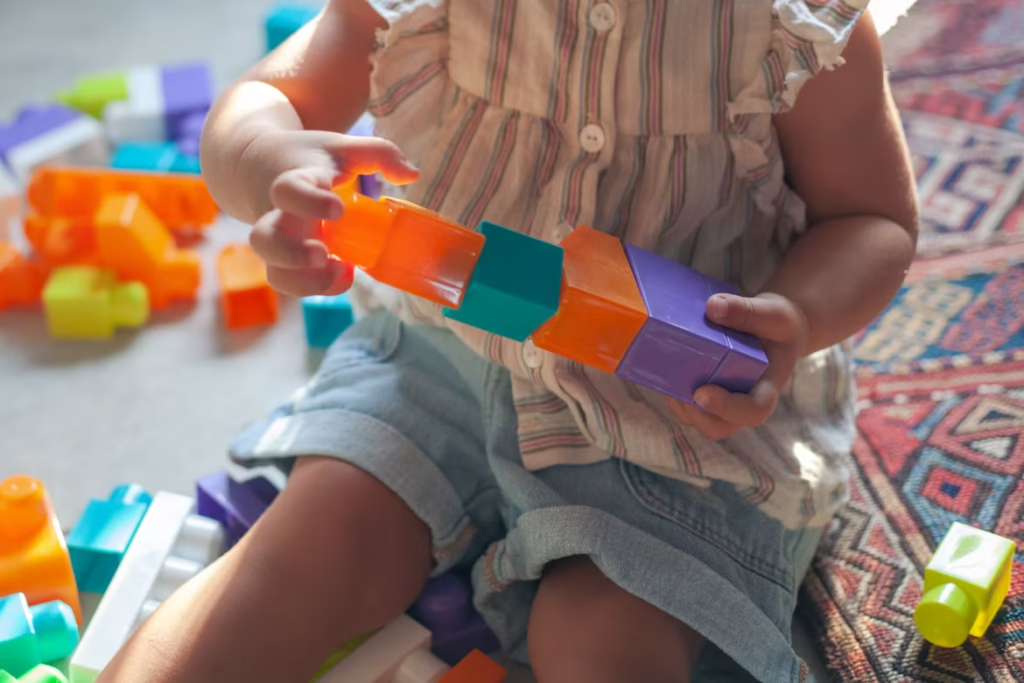
Play gives children opportunities to explore, communicate, and connect in ways that feel meaningful to them. For children with autism, it does more than this. Activities built around familiar interests can create opportunities to practice developmental skills without making every interaction feel like a lesson.
Autism affects many children and families across the United States. According to the CDC’s latest Autism and Developmental Disabilities Monitoring Network data, about 1 in 31 children aged 8 years were identified with autism spectrum disorder in 2022 across 16 monitored U.S. communities. Prevalence and identification rates varied among communities.
Ensuring that your child with autism gets the right environment is crucial. A favorite toy, a simple puzzle, or a shared story can become a starting point for learning. Play-based learning works best when adults adapt activities to each child’s communication style, sensory preferences, abilities, and comfort.
This article discusses how play-based learning can help children with autism develop everyday skills.
Building Better Communication Skills
A ResearchGate study on communication patterns of children with autism spectrum disorder discusses the challenges they face in expressing their needs, emotions, and ideas. While some children may speak well, many struggle to use language effectively in social settings. They may also be unable to understand others’ feelings, leading to hindered social interactions.
Play creates reasons to communicate, requesting another turn, choosing a toy, asking for help, or sharing something interesting. As an adult, you can respond to spoken words, gestures, pictures, and communication devices instead of expecting speech as the only successful response. Following a child’s interests helps make these exchanges relevant and engaging.
Similarly, pretend play brings opportunities to model useful language. While feeding a toy animal, an adult might say “more food” or “all done.” Picture cards can help a child pick activities, while storytelling enables them to name objects and describe actions.
Interactive games also make simple instructions meaningful within an enjoyable routine. Keep language accessible, allow processing time, and respond warmly to communication attempts.
Encouraging Social Interaction and Cooperation
According to the University of Kansas, social development is influenced during early development among children with autism. Navigating social situations at school, work, and daily life presents unique challenges to such individuals. Social deficits include difficulty initiating interactions, understanding nonverbal cues, and maintaining peer relationships.
Shared play can help by giving children opportunities to experience interaction through activities they enjoy. Rolling a ball back and forth, building a tower together, or taking turns activating a toy can introduce cooperation through predictable exchanges. Naturalistic developmental interventions like turn-taking and shared engagement can also help.
Start with brief interactions and adjust expectations to the child’s comfort. Adults can model asking before taking materials, accepting “no,” and noticing when someone needs space within group activities. Parallel play, playing alongside someone without directly joining, can also be a comfortable starting point.
Using Play-Based Activities to Reinforce ABA Therapy Goals
Applied Behavior Analysis (ABA) can incorporate play to teach specific, individualized skills. Some approaches combine behavioral teaching principles with developmental methods in natural activities.
These behavioral interventions emphasize child interests, functional goals, and learning opportunities within play and daily routines. If you are considering ABA therapy for your kid, look for a provider that prioritizes learning through play and connection.
Bright Home ABA highlights that care should include social and play skills along with emotional regulation. This can help a child interact with others, express themselves, and build meaningful relationships. For example, a therapist might use a train set to practice requesting pieces, taking turns, or following a short sequence.
Positive reinforcement can connect directly to the activity. A request for the train results in receiving the train. Therapists can adjust prompts, track progress, and gradually reduce assistance as skills develop. The goal is to support meaningful communication, participation, attention, and independence rather than simply making a child appear less autistic.
Developing Cognitive Skills and Problem-Solving Abilities
Play-based learning can also support cognitive skills and problem-solving abilities in children with autism. Puzzles, sorting games, building blocks, and imaginative activities can be used to practice thinking skills.
- A puzzle invites a child to compare shapes and try solutions.
- Sorting objects encourages noticing similarities and differences.
- Building a structure involves planning, testing ideas, and responding when something falls.
- Imaginative activities encourage the child to think and come up with creative ideas.
These activities can fit within developmentally appropriate, play-based teaching.
Adults can make challenges manageable by offering a small number of materials and demonstrating one step at a time. Remembering a short play sequence provides memory practice, while choosing the next piece encourages decision-making.
Flexible thinking can be invited through small, optional variations, such as building a different bridge. Keep familiar elements available and offer support instead of introducing changes that overwhelm the child or make play frustrating.
Strengthening Motor Skills and Promoting Independence
A ScienceDirect study highlights that individuals with autism struggle beyond communication and social context. Motor impairments are consistently observed from early years, persisting into adulthood. People with ASD may show significant deficits in strength, posture, and gait behavior/skills. Eventually, they may also affect independence.
Play can provide practice with movements in everyday activities. Drawing, stacking blocks, and squeezing clay involve hand movements. Rolling balls and navigating simple obstacle courses involve larger movements. Choose activities that match the child’s current abilities and sensory preferences.
Connect practice to meaningful routines rather than specific activities. A pretend picnic might include opening containers, handling utensils, and putting items away. Building activities can end with carrying materials back to their storage spaces. Offer only the assistance children need, then reduce support gradually as they become more comfortable.
FAQs
What is play-based learning for children with autism?
Play-based learning uses enjoyable activities to create opportunities for developmental learning in children with autism. It may involve structured games, child-led exploration, or a combination of both. Adults adapt their support to the child’s interests and abilities, embedding communication, interaction, and functional skills into play.
How does ABA therapy incorporate play-based learning?
ABA practitioners may use toys, games, and preferred activities to teach individualized skills. For example, a shared building activity can include requesting materials, following directions, and taking turns. Naturalistic approaches use reinforcement connected to the activity and gradually reduce assistance.
How can parents support play-based learning at home?
Parents can follow their child’s interests, imitate enjoyable actions, and introduce simple turn-taking opportunities. Familiar routines can provide predictable starting points. Accept gestures, pictures, words, or communication devices, and celebrate meaningful attempts. Keep participation voluntary, respect sensory preferences, and pause when needed.
Key Takeaways
| Skill area | Play-based activity | Skills supported |
| Communication | Pretend play, picture cards, storytelling | Expressing needs, making choices, understanding instructions |
| Social interaction | Turn-taking games, rolling a ball, building together | Cooperation, shared attention, respecting boundaries |
| ABA therapy goals | Train sets, matching games, interactive toys | Requesting, following steps, practicing individualized goals |
| Cognitive development | Puzzles, sorting games, building blocks | Memory, problem-solving, planning, flexible thinking |
| Motor skills and independence | Drawing, clay, obstacle courses, pretend picnics | Hand coordination, balance, self-help skills, completing routines |
Play-based learning can connect skill practice with enjoyment, relationships, and everyday experiences. Its value lies in creating meaningful opportunities to communicate, participate, explore, and become more independent. Adults can begin with existing interests, introduce manageable challenges, and recognize progress in many forms. A gesture, a shared activity, or an independently completed step may all be meaningful.
Other Articles You May Find of Interest...
- How Play-Based Learning Can Support Skill Development in Children With Autism
- 6 Ways Personalized ABA Therapy Can Support Developmental Skills
- How Teachers Can Use Sound Buttons to Practice Medial Sounds With Early Readers
- Why Every Early Learning Classroom Needs a Sand and Water Table
- How Pediatricians Evaluate and Manage ADHD in Children
- The Importance of Trustworthy Cleaning Personnel in Schools and Colleges
- A Perineal Tear From Wiping in a Toddler: Care and Warning Signs





