






More Allergy, Asthma & Infectious Disease Articles
Is Hydrocortisone Cream Effective for Treating Ringworm?
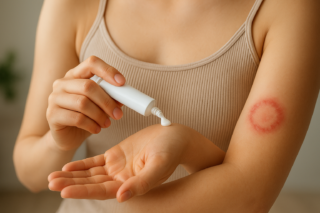
Picture this: You notice a red, itchy, and circular rash on your skin. Immediately, you might wonder if applying hydrocortisone cream could help. After all, this over-the-counter solution works wonders for various skin irritations. But can you use hydrocortisone cream on ringworm, or are there better treatments available?
Can You Use Hydrocortisone Cream on Ringworm?
While hydrocortisone cream may reduce inflammation and itching, it is not the primary treatment for ringworm. Ringworm, a common fungal infection, thrives on the skin’s surface, requiring antifungal remedies for effective treatment. Hydrocortisone does not target the fungus directly; instead, antifungal medications are usually necessary to clear up the infection.
When faced with symptoms, it’s easy to turn to something readily available like hydrocortisone, but for ringworm, antifungal creams or ointments containing clotrimazole or terbinafine are typically recommended. These products aim directly at the fungal cause, promising a more effective solution.
What to Expect from Treatment
If using an antifungal treatment, noticeable improvement may occur within a week. However, it’s important to complete the course as directed, which can extend up to four weeks, to ensure full eradication of the fungus. Stopping treatment early, even if symptoms improve, might allow the infection to return.
It’s essential to keep the affected area clean, dry, and away from irritation. During recovery, avoid skin-to-skin contact to prevent spreading the fungus to others. As everyday activities continue, ensure any shared items like towels or gym equipment are sanitized frequently.
When to Seek Care
If ringworm symptoms persist despite over-the-counter antifungal treatment, or if the rash spreads or worsens, it might be time to consult a healthcare provider. Dermatologists or primary care physicians can evaluate the condition and prescribe stronger oral antifungal medications if necessary.
Chronic or severe cases of ringworm require medical attention to prevent further skin damage or secondary infections. It’s wise to contact a professional if self-care measures seem ineffective, especially if the fungal infection involves the scalp, nails, or a large part of the body.
Questions to Ask Your Doctor
If you’re contemplating a switch in your treatment approach or are unsure whether your treatment plan is effective, consider asking your doctor:
- What are the signs that my condition is improving?
- Should I stop using hydrocortisone while using antifungal agents?
- Are there specific lifestyle changes or preventive measures that could help prevent future infections?
- What are the possible side effects of prescribed medications?
Alternatives and Supportive Care
In addition to topical treatments, maintaining good hygiene is critical. Keeping the skin clean and dry, regularly washing clothes and bedding, and refraining from sharing personal items can help prevent the spread of ringworm. Nutritional support through a balanced diet and remaining hydrated also provides beneficial effects on skin health.
It’s essential to be attentive to your body’s needs, focusing on small changes and adjustments that promote healing and reduce discomfort. Follow directions carefully on any medication-related products to prevent misuse or adverse reactions.
Common Questions
How long should I use antifungal cream for ringworm?
Typically, antifungal creams should be used for about two to four weeks, or as instructed by your healthcare provider. Visible improvements might appear within a week, but completing the entire course is necessary to avoid recurrence.
Can ringworm spread through pets?
Yes, ringworm is contagious and can spread from pets to humans and vice versa. It’s essential to monitor your household pets for signs of infection and to consult a veterinarian for appropriate treatment.
What can I do to prevent ringworm?
Keeping your skin clean and dry, using footwear in communal showers, and avoiding shared personal items like hairbrushes and towels can help prevent ringworm. Boosting your immune system through healthy eating and regular exercise may also be beneficial.
Is it safe to mix hydrocortisone with antifungal creams?
It’s generally not recommended to mix treatments unless advised by your healthcare provider. Hydrocortisone, used to relieve itching, does not treat fungal infections and could potentially worsen the condition if relied upon without proper antifungal intervention.
When should I consider oral medications?
If topical treatments fail to work, if the infection is widespread, or if it’s in a more challenging area to treat, such as the scalp or nails, oral antifungal medications might be necessary. Consult a healthcare provider for tailored advice.
For more information on medications and their uses, you can refer to comprehensive sources like the MedlinePlus Drug Information.
Takeaways
- Ringworm is a fungal infection requiring antifungal treatment for effectiveness.
- Hydrocortisone cream might soothe symptoms but won’t address the root fungal cause.
- Complete antifungal treatments as directed to prevent recurrence.
- Consult a healthcare provider if symptoms persist or worsen.
- For additional healthy living guidance, check out our article on safe and effective approaches to weight loss and hidden causes.
In conclusion, while the itch and redness of ringworm might tempt someone to consider hydrocortisone, understanding the necessity of antifungal treatments is key. Moreover, it’s a good idea to have professional advice to tailor the best treatment plan, ensuring that ringworm is treated properly to avoid complications or recurrence.
Other Articles You May Find of Interest...
- How to Keep Pollen Out of Your Home: Choosing an Air Purifier for Pollen
- When Should Your Child See a Pediatric Allergist? A Three-Trigger Test
- Candida sp. rRNA Results: What Molecular Testing Detects
- Ant Bites or Poison Ivy? How the Rashes Differ
- Can Stress Cause Cold Sores on the Lips?
- Gram-Positive Rods in a Blood Culture: Contamination or Infection?
- Can Head Lice Get Into Your Ears?





