Your Health Magazine Contributor
4201 Northview Drive
Suite 102
Bowie, MD 20716
More Allergy, Asthma & Infectious Disease Articles
Rabies Treatment After a Dog Bite: What Happens, How Long It Takes and What It Costs

A dog bite raises immediate questions: Does the animal have rabies? Do you need injections? Can you wait to see how the dog behaves? The answers depend on the animal, the circumstances of the bite and local rabies risks. In the United States, rabies in dogs is uncommon, but once symptoms develop, the disease is almost always fatal. That is why doctors assess possible exposure promptly and recommend preventive treatment when necessary.
Rabies treatment after a dog bite is called post-exposure prophylaxis (PEP). It may involve wound cleaning, rabies immune globulin and a series of vaccine doses.
Quick Summary
- Wash the wound immediately with soap and water and seek medical advice.
- A healthy dog may be observed for 10 days under public health guidance.
- Previously unvaccinated people who need PEP generally receive immune globulin and four vaccine doses over 14 days.
- A typical U.S. treatment course can cost $11,000 to $14,000.
- Do not delay medical assessment while trying to locate the animal.
When Does a Dog Bite Raise Rabies Concerns?
A healthcare professional or public health authority assesses the animal, the circumstances of the bite and the type of exposure. Concern may be higher when:
- The dog is stray, unknown or unavailable for observation.
- The animal appears ill or behaves unusually.
- Its vaccination status cannot be verified.
- The bite occurs in an area where rabies is present.
A bite from a vaccinated household pet does not automatically require rabies shots. However, vaccination records alone do not replace a professional risk assessment. Scratches or saliva entering broken skin, the eyes or the mouth may also require evaluation.
Wash the wound thoroughly and contact a healthcare professional promptly. Do not wait for symptoms before seeking advice.
The 10-Day Observation Period
In Illinois, a healthy dog, cat or ferret that bites someone is generally confined and observed for 10 days under applicable public health procedures. If the animal remains healthy throughout that period, it was not infectious with rabies when the bite occurred.
Animal control and public health officials determine whether observation is appropriate and whether treatment should begin immediately. If the animal becomes ill or cannot be observed or tested when necessary, PEP may be recommended.
Never try to capture an unfamiliar or aggressive dog yourself. Report the bite and follow local authorities’ instructions.
For more information about how Illinois’ Animal Control Act handles dog bites, including observation and owner responsibilities, consult this state-specific guide.
What Does Rabies Treatment Involve?
For someone who has never been vaccinated against rabies and needs PEP, treatment generally includes three components.
1. Wound cleaning
Wash the wound immediately with soap and water. A clinician may provide additional cleaning and assess the need for other wound care.
2. Rabies immune globulin
Human rabies immune globulin (HRIG) provides antibodies while the body develops its own immune response. It is usually given once at the start of treatment, with as much as possible infiltrated around the wound when feasible.
3. Rabies vaccine
Under current U.S. Centers for Disease Control and Prevention (CDC) guidance, previously unvaccinated, immunocompetent people generally receive vaccine doses on days 0, 3, 7 and 14. Day 0 is when the first dose is given. People with certain immune conditions may need an additional dose on day 28.
Previously vaccinated people generally receive two vaccine doses, on days 0 and 3, without HRIG.
Common side effects include injection-site soreness, headache, nausea and muscle aches. Complete the recommended schedule unless your healthcare professional advises otherwise.
See the CDC’s rabies post-exposure prophylaxis guidance for current recommendations.
How Long Does Treatment Take?
For most previously unvaccinated people following the standard U.S. schedule, vaccine doses span 14 days. Immune globulin is generally administered at the beginning.
People with weakened immune systems or a history of rabies vaccination may follow a different schedule. If you miss an appointment, contact your healthcare provider rather than restarting or changing the schedule yourself.
When PEP is indicated, treatment should begin as soon as possible. Even if days have passed since the bite, seek medical advice; treatment may still be recommended if symptoms have not developed.
What Does Rabies Treatment Cost?
Rabies post-exposure prophylaxis (PEP) can cost thousands of dollars in the United States. Expenses may include rabies immune globulin, multiple vaccine doses, emergency care and follow-up visits. A CDC health advisory published in September 2026 reported a typical treatment cost of $11,000 to $14,000 per person.
What a patient ultimately pays depends on their insurance plan, treatment location and the services required. Before receiving a bill, ask the insurer and treatment facility about coverage, deductibles, copayments and financial assistance options.
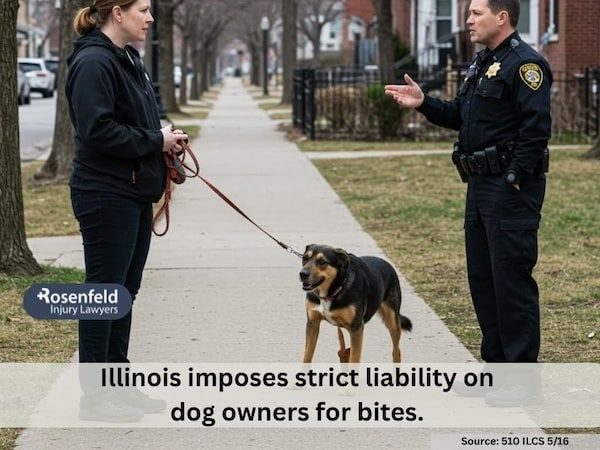
If the bite involved someone else’s dog, documented medical expenses may also be relevant to an injury claim. Keep treatment records, itemized bills and receipts. In Illinois, whether these costs can be recovered depends on the circumstances of the incident and the applicable law.
Protecting Yourself and Your Family
A few precautions can help reduce the risk of dog bites and support a prompt response if one occurs:
- Keep pets vaccinated: Follow your veterinarian’s recommendations for rabies vaccination.
- Teach children to be cautious: Encourage them not to approach unfamiliar dogs, even when an animal appears friendly.
- Report bites promptly: Contact a healthcare professional and local animal control so the injury and rabies risk can be assessed.
- Keep useful records: When safe, note the dog’s description, identify its owner and retain medical documentation.
Bottom Line
A dog bite does not always mean rabies treatment is necessary, but deciding whether it is safe to go without treatment requires a proper risk assessment. Wash the wound immediately and seek medical advice rather than waiting for symptoms.
If PEP is recommended, follow the prescribed schedule and ask about costs and insurance coverage early. Prompt action can protect your health while helping you prepare for the practical and financial demands of treatment.
Frequently Asked Questions
Do all dog bites require rabies shots?
No. The decision depends on the animal, the exposure and local rabies risk. A healthcare professional or public health authority can determine whether PEP is needed.
Can I wait 10 days before getting rabies treatment?
Do not decide to wait on your own. Contact a healthcare professional or public health authority promptly. They will determine whether observation is appropriate or treatment should begin immediately.
How many rabies shots are needed after a dog bite?
Previously unvaccinated, immunocompetent people who need PEP generally receive four vaccine doses over 14 days, plus one dose of immune globulin. Previously vaccinated people generally receive two vaccine doses.
How much does rabies treatment cost in the United States?
A CDC health advisory reported a typical course cost of $11,000 to $14,000 in September 2026. Actual costs vary by facility, treatment and insurance coverage.
What should I do immediately after a dog bite?
Wash the wound thoroughly with soap and water and seek prompt medical advice. Report the bite to local animal control or public health authorities, who can help assess the rabies risk.
This article provides general educational information and does not replace medical advice. Follow the recommendations of your healthcare professional and local public health authorities.
Other Articles You May Find of Interest...
- Rabies Treatment After a Dog Bite: What Happens, How Long It Takes and What It Costs
- Can Hepatitis B Be Treated or Cured?
- Bronchitis Cough Treatment: What Can Help?
- Histamine Intolerance: Symptoms, Testing, Diet, and What Actually Helps
- Coughing Up Yellow Mucus: What It Can Mean
- How to Keep Pollen Out of Your Home: Choosing an Air Purifier for Pollen
- When Should Your Child See a Pediatric Allergist? A Three-Trigger Test