
We Treat Feet and Ankles!
610 Ninth Ave
Brunswick, MD 21716
410-363-4343
1103 North Point Blvd
Suite 424
Baltimore, MD 21224
6190 Georgetown Blvd
Suite 109
Eldersburg, MD 21784
7101 Guilford Dr
Frederick, MD 21704
525 W Middle St
Gettysburg, PA 17325
372 Mill Street
Hagerstown, MD 21740
5401 Old Court Road
Randallstown, MD 21133
20 Crossroads Drive
Suite 15
Owings Mills, MD 21117
1022 Annapolis Rd, Suite B
Odenton, MD 21113
6330 Hospital Dr
Suite 104
Rosedale, MD 21237
7505 Osler Drive
Suite 503
Towson, MD 21204
826 Washington Rd
#206
Westminster, MD 21157
1160 Varnum St NE
#012
Washington, DC 20017
More Podiatry Foot Care Articles
Diabetes and Your Feet: Why You Shouldn’t Wait For Pain
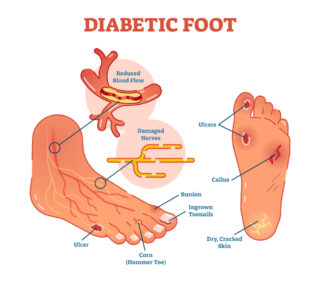
For individuals living with diabetes, maintaining healthy feet is essential to protecting mobility, independence, and overall well-being. Unfortunately, many people wait until they experience discomfort before seeking medical attention. With diabetes, this approach can lead to serious complications because foot problems often develop without noticeable pain.
Understanding Diabetic Neuropathy
Diabetic peripheral neuropathy is a common complication of diabetes that affects the nerves, particularly those in the feet. Some individuals experience burning, tingling, or numbness, while others gradually lose protective sensation, the ability to recognize pain, pressure, or injury.
Without these warning signals, something as simple as a blister, tight shoe, or small cut can go unnoticed. An injury that might otherwise prompt immediate attention can worsen before the individual realizes something is wrong.
Diabetes can also affect circulation, reducing blood flow to the feet. Poor circulation makes it more difficult for wounds to heal and increases the risk of infection. When nerve damage and impaired circulation occur together, even minor injuries can develop into serious foot ulcers.
Why Regular Foot Examinations Matter
Routine diabetic foot examinations are an important part of preventive healthcare. During an examination, a podiatrist evaluates sensation, circulation, skin condition, and foot structure.
These assessments help identify potential problems before they become serious. Changes in foot shape, pressure points, calluses, and poorly fitting footwear may increase the likelihood of developing wounds.
Some individuals benefit from specialized diabetic footwear designed to reduce pressure and protect vulnerable areas. Properly fitted shoes and supportive inserts can help prevent unnecessary friction and skin breakdown.
Prevention Protects Mobility
Maintaining healthy feet requires a proactive approach. Blood sugar management, regular physical activity, appropriate footwear, and routine medical evaluations all contribute to long-term foot health.
Individuals with diabetes should receive a comprehensive foot examination at least annually. Those experiencing neuropathy, circulation problems, previous ulcers, or other complications may require more frequent appointments.
Early detection can significantly reduce the likelihood of infections, hospitalization, and potentially preventable amputations.
Don’t Ignore Changes
A new wound, unexplained swelling, redness, warmth, or drainage should never be ignored. These symptoms may indicate infection or another condition requiring prompt medical attention.
The most important message is simple: pain is not always present when something is wrong. Regular preventive care and early intervention can help individuals with diabetes maintain healthier feet, remain active, and protect their independence for years to come.
Other Articles You May Find of Interest...
- Diabetes and Your Feet: Why You Shouldn’t Wait For Pain
- Pain on the Outside of the Ankle: Causes and Treatment
- Red Spots on the Feet: Possible Causes
- Red Pimples on the Feet: Causes and Care
- Swollen Feet in Women: Common Causes and How to Choose Extra Wide Fit Shoes
- Ballet Flats vs. Loafers: The Ultimate Guide to Choosing Your Perfect Pair
- Electric vs. Manual Callus Removers: How to Choose the Right Foot Care Tool