Your Health Magazine Contributor
4201 Northview Drive
Suite 102
Bowie, MD 20716
More Weight Control, Nutrition & Exercise Articles
Comparing 10 Popular Protein Bars: A Guide to Taste, Ingredients, and Nutrition
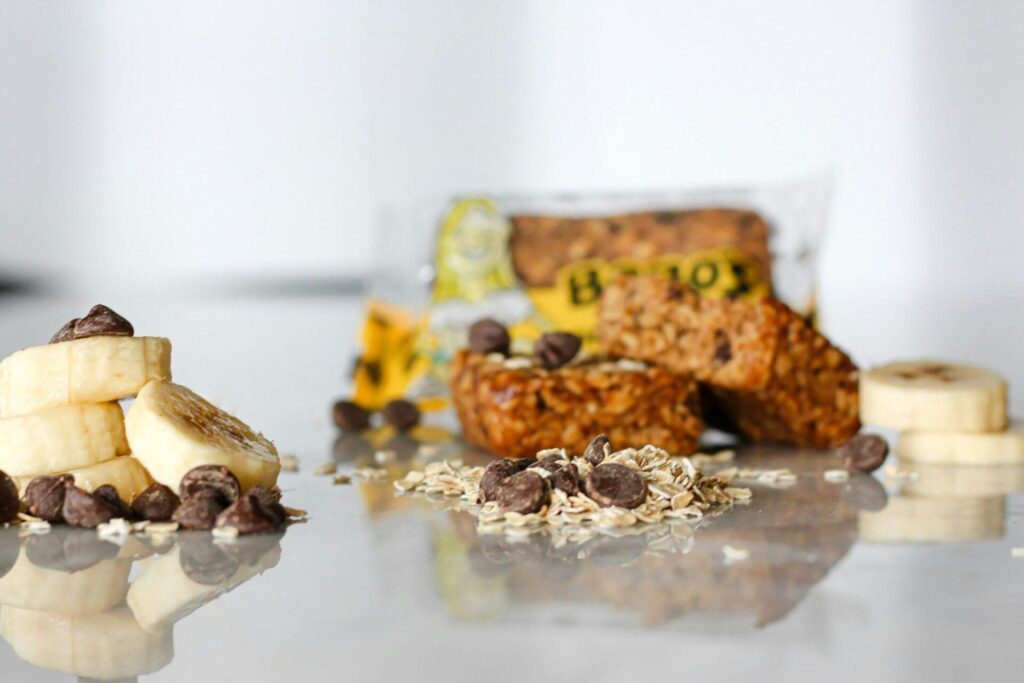
You finish an early workout, settle into the driver’s seat, and pull a protein bar from your gym bag. Sometimes it makes a convenient, satisfying snack. Other times, the texture is unusually dense, the sweetness lingers, or the bar simply doesn’t taste the way you expected.
Protein bars have changed considerably over the years. Today’s options include everything from chewy chocolate-coated bars to crispy, cereal-like snacks and products made with recognizable whole-food ingredients.
But choosing a protein bar involves more than finding a flavor you enjoy. Protein quantity, ingredient quality, added sugar, fiber, allergens, and overall calorie content can all influence which option fits your needs.
This guide compares 10 popular protein bar brands, explains their nutritional differences, and highlights the factors worth considering before choosing one.
Key Takeaways
- Protein bars vary in protein content, calories, sugar, fiber, and protein sources.
- Taste and texture are subjective, so a product that appeals to one person may not suit another.
- A higher protein count does not automatically make a bar the healthiest choice.
- Sugar alcohols, added fiber, and certain sweeteners may cause digestive discomfort in some people.
- Reading nutrition labels and considering your overall dietary needs is more useful than relying on product rankings.
What Makes a Protein Bar Worth Buying?
A protein bar should ideally provide a useful amount of protein while fitting comfortably into your eating habits.
For someone looking for a snack after exercise, protein quantity may be the main priority. Someone managing calorie intake might focus on serving size and calories. Others may prefer a shorter ingredient list, plant-based protein, or a product without certain allergens.
Taste also matters. A bar that you enjoy is more likely to become part of your routine than one that feels like a chore to finish.
When comparing products, consider these factors:
- Protein content: Bars commonly provide approximately 10 to 30 grams of protein per serving.
- Protein source: Whey, casein, egg whites, collagen, soy, pea protein, and other plant proteins have different nutritional characteristics.
- Calories: Some bars are designed as light snacks, while others provide enough calories to contribute substantially to a meal.
- Sugar and sweeteners: Products may contain added sugar, naturally occurring sugar, sugar alcohols, or nonnutritive sweeteners.
- Fiber: Fiber can contribute to fullness and digestive health, although certain added fibers may cause discomfort.
- Taste and texture: Chewy, crunchy, crispy, soft, and dessert-inspired bars offer different eating experiences.
Rather than assuming one product is appropriate for everyone, comparing these characteristics can help you find an option that matches your priorities.
Comparing 10 Popular Protein Bar Brands
The following brands illustrate the variety available in today’s protein bar market. They are presented as examples rather than a ranking, and their inclusion does not establish that one brand tastes better or provides greater health benefits than another.
Nutritional values are approximate examples based on the products and flavors discussed. Formulations, serving sizes, and prices can change, so always check the current packaging.
Stars + Honey
- Protein: Approximately 15g, primarily from collagen
- Calories: Approximately 190
- Sugar: Approximately 4g
- Example flavors: Cacao Salt Caramel Peanut, Espresso Vanilla Cinnamon, Dark Chocolate Coconut
Stars + Honey offers protein bars made with collagen and a selection of ingredients that vary by flavor.
The company emphasizes chef-developed recipes and offers flavors such as Peanut Butter Wildberry, Maple Blueberry Muffin, and Cherry Chocolate Waffle Cone.
Its product range may appeal to shoppers interested in dessert-inspired flavors or bars made without certain ingredients, such as dairy, gluten, or sugar alcohols, depending on the formulation.
One nutritional consideration is the use of collagen as the primary protein source. Collagen provides amino acids but is not a complete protein because it lacks sufficient amounts of certain essential amino acids.
For people whose primary goal is muscle recovery or maximizing essential amino acid intake, a bar containing whey, egg, soy, or an appropriately formulated plant protein blend may be more suitable.
Stars + Honey is one example of how manufacturers are using alternative protein sources and varied flavor combinations to appeal to consumers with different preferences.
David Protein Bars
- Protein: Approximately 28g
- Calories: Approximately 150
- Sugar: Approximately 0g
- Example flavors: Cake Batter, Chocolate Chip Cookie Dough, Fudge Brownie
David protein bars are formulated to provide a relatively high quantity of protein in a lower-calorie serving.
The product uses several protein sources, including milk protein isolate, collagen, whey, and egg whites.
One notable ingredient is esterified propoxylated glycerol, or EPG, a modified fat ingredient designed to provide some of the texture and mouthfeel of conventional fat while contributing fewer calories.
This formulation helps explain how the product can contain substantial protein without a similarly high calorie count.
However, shoppers should consider the complete ingredient list rather than focusing on the protein-to-calorie ratio alone.
David bars may contain ingredients such as artificial sweeteners and common allergens, including milk and eggs. Some consumers may also experience digestive discomfort from particular ingredients.
For people prioritizing protein quantity relative to calories, David provides an example of a product formulated around that goal.
Barebells
- Protein: Approximately 20g
- Calories: Approximately 200
- Sugar: Approximately 1g
- Example flavors: Salty Peanut, Caramel Cashew, Cookies & Cream
Barebells is a Swedish protein bar brand known for chocolate-coated products with soft, layered interiors.
Many of its bars contain combinations of milk-derived proteins, including whey and casein, along with other ingredients depending on the flavor.
The texture differs from that of traditional dense protein bars, with some varieties incorporating caramel-like layers, coatings, or crunchy components.
Barebells products are generally formulated to contain relatively little sugar, although they may use sugar alcohols and other sweetening ingredients.
Sugar alcohols such as maltitol can cause bloating, gas, or loose stools in some people, particularly when consumed in larger amounts.
Individual tolerance varies, and one bar will not necessarily cause digestive symptoms.
Barebells may appeal to consumers who prefer a chocolate-coated snack format while still obtaining a substantial amount of protein.
IQBAR
- Protein: Approximately 12g
- Calories: Approximately 150–180
- Sugar: Approximately 1–2g
- Example flavors: Chocolate Sea Salt, Peanut Butter Chip, Almond Butter Chip
IQBAR takes a plant-based approach to protein bars, using ingredients such as pea protein alongside other components.
Depending on the formulation, its bars may include ingredients such as magnesium, omega-3 fatty acids, MCTs, and lion’s mane mushroom.
The brand markets its products around general nutrition and cognitive wellness.
However, the presence of these ingredients does not establish that the finished bar improves memory, concentration, or cognitive performance.
IQBAR products may be suitable for people looking for a vegan protein bar or avoiding dairy-based protein sources.
Pea protein provides essential amino acids, although its amino acid profile and digestibility differ from those of some animal-based proteins. This does not mean the protein is unusable or that the stated protein quantity should be discounted.
For many people, consuming a variety of protein sources throughout the day can help support adequate essential amino acid intake.
RXBAR
- Protein: Approximately 12g
- Calories: Approximately 200
- Sugar: Approximately 14g
- Example flavors: Chocolate Sea Salt, Peanut Butter, Blueberry
RXBAR emphasizes recognizable ingredients such as egg whites, nuts, and dates.
Its products often use relatively short ingredient lists compared with bars that rely on extensive combinations of protein isolates, sweeteners, and texturizing ingredients.
Egg whites provide high-quality protein containing all nine essential amino acids.
Dates contribute sweetness, carbohydrates, and some fiber. However, their naturally occurring sugars still contribute to the product’s total sugar and calorie content.
It is important to distinguish naturally occurring sugar from added sugar while recognizing that both contribute energy.
RXBAR products tend to have a dense, chewy texture, which some consumers enjoy and others may find less appealing.
For people who prefer recognizable ingredients and egg-based protein, RXBAR provides a different approach from heavily formulated protein snacks.
Promix Protein Puff Bars
- Protein: Approximately 15g
- Calories: Approximately 150
- Sugar: Approximately 4–5g
- Example flavors: Chocolate Chip, Mint Chocolate, Vanilla
Promix Protein Puff Bars use a different texture from many conventional protein bars.
Rather than forming a dense, uniform bar, the product combines protein-containing puffs with other ingredients to create a lighter, crispier structure.
Its protein sources include whey and egg whites, depending on the specific product.
The use of puffed ingredients may appeal to consumers who prefer crunchy snacks instead of thick, chewy protein bars.
Promix also markets certain products around ingredient simplicity and the absence of particular artificial sweeteners.
However, the product still contains allergens such as milk and eggs, making label review important for people with food allergies or intolerances.
Its calorie and protein quantities may suit consumers looking for a moderate-protein snack rather than a larger meal replacement.
ALOHA Protein Bars
- Protein: Approximately 14g
- Calories: Approximately 230–250
- Sugar: Approximately 4–9g
- Example flavors: Peanut Butter Chocolate Chip, Chocolate Chip Cookie Dough, Peanut Butter Cup
ALOHA offers plant-based protein bars made with ingredients such as brown rice protein and pumpkin seed protein.
The brand emphasizes organic ingredients and carries certifications on various products, including USDA Organic and vegan certifications.
Some formulations use coconut sugar and monk fruit as sweetening ingredients.
ALOHA bars typically contain more calories than certain lower-calorie protein snacks, although the exact amount varies by flavor.
That does not inherently make them less healthy. Calorie needs differ based on activity level, age, health goals, and overall dietary intake.
A bar containing approximately 250 calories may be useful as a substantial snack, while someone seeking a lighter option might prefer a smaller serving.
Consumers interested in organic or plant-based products may find ALOHA worth comparing with other vegan protein bars.
Jacked Granny
- Protein: Approximately 14–16g
- Calories: Approximately 160–180
- Sugar: Approximately 19–20g
- Example flavors: PB&J, Chocolate
Jacked Granny uses a relatively short ingredient list built around foods such as egg whites, peanuts, maple syrup, and fruit or cocoa, depending on the flavor.
This approach differs from protein bars made primarily with isolates, artificial sweeteners, and numerous additional ingredients.
The use of maple syrup contributes much of the sweetness, but it also increases the amount of added sugar.
Although maple syrup is a recognizable ingredient, it remains a source of added sugar and should be evaluated accordingly.
The product’s protein content is comparable with some other moderate-protein bars, but its sugar content may be an important consideration for people monitoring added sugar intake.
Jacked Granny illustrates how a shorter ingredient list does not automatically mean that a product is lower in sugar or more appropriate for every dietary goal.
Quest Protein Bars
- Protein: Approximately 21g
- Calories: Approximately 190
- Sugar: Approximately 1g
- Example flavors: Chocolate Chip Cookie Dough, Birthday Cake, S’Mores
Quest is a widely available protein bar brand offering numerous flavors and product formats.
Many Quest bars contain whey protein isolate and milk protein isolate, providing complete protein sources.
Certain flavors also supply substantial quantities of dietary fiber, often through added fiber ingredients.
Fiber can support digestive health and fullness, but large amounts of certain added fibers may contribute to bloating or gastrointestinal discomfort in sensitive individuals.
Quest products frequently use alternative sweeteners to achieve a sweet flavor while limiting sugar content.
Sweetener ingredients vary across products, so consumers should consult the current nutrition label rather than assuming every flavor contains the same formulation.
Quest may be useful to compare when prioritizing relatively high protein content, low sugar, and convenient retail availability.
ONE Protein Bars
- Protein: Approximately 20g
- Calories: Approximately 220
- Sugar: Approximately 1g
- Example flavors: Birthday Cake, Cookies & Cream, Maple Glazed Doughnut
ONE protein bars emphasize dessert-inspired flavors and textures.
Their product range includes varieties designed to resemble familiar sweets, including cake, cookies, and doughnuts.
Many formulations use whey protein isolate and milk protein isolate, providing approximately 20g of protein per serving.
The products may also contain alternative sweeteners, sugar alcohols, glycerin, and other ingredients that help create their texture and flavor.
These ingredients are commonly used in processed snack foods, but individual tolerance and dietary preferences vary.
Some people may prefer bars with shorter ingredient lists, while others prioritize convenience, protein content, or a particular flavor.
ONE provides an example of a protein bar formulated to resemble a dessert while offering a substantial protein serving.
How to Compare Protein Bars for Your Health Goals
The examples above show that protein bars can differ significantly, even when they appear similar on the shelf.
Instead of selecting a product based on a ranking or a single nutritional claim, consider how its characteristics fit your individual needs.
Protein Quantity and Quality
Protein is important for maintaining muscle, repairing tissues, and supporting many normal bodily functions.
Animal-based proteins such as whey, egg, and casein generally provide complete essential amino acid profiles.
Plant-based proteins can also contribute meaningfully to protein intake, particularly when a person’s overall diet includes a variety of protein sources.
Collagen is different because it is not a complete protein. Although it contributes to total protein intake, it is not nutritionally interchangeable with whey or egg protein for every purpose.
Someone using protein bars primarily for post-exercise muscle recovery may wish to consider both protein quantity and amino acid composition.
Calories and Portion Size
A higher-calorie bar is not automatically less healthy, just as a lower-calorie bar is not necessarily more nutritious.
A person who needs a filling snack during a long workday may benefit from a bar containing more calories, fiber, or fat.
Someone using a protein bar alongside a regular meal may prefer a smaller serving.
The best choice depends on how the bar fits into total daily energy intake and nutritional needs.
Added Sugar and Sweeteners
Sugar content varies considerably between protein bars.
Some products use dates or maple syrup for sweetness, while others rely on sugar alcohols or nonnutritive sweeteners.
Products containing dates may have naturally occurring sugar, whereas maple syrup added during manufacturing contributes added sugar.
These distinctions are useful when interpreting nutrition labels.
Sugar alcohols can help reduce sugar content but may cause gastrointestinal discomfort, particularly when consumed in larger quantities.
Consumers who notice symptoms after eating a particular bar may benefit from checking the sweeteners and added fibers listed on the packaging.
Fiber and Digestive Comfort
Fiber is an important part of a balanced diet and can support normal bowel function.
However, protein bars containing concentrated added fibers may affect digestion differently from foods naturally rich in fiber.
Ingredients such as inulin and certain other added fibers can produce gas or bloating in sensitive individuals.
If you are not accustomed to high-fiber products, introducing them gradually may improve comfort.
Allergens and Dietary Restrictions
Protein bars frequently contain common allergens, including:
- Milk
- Eggs
- Peanuts
- Tree nuts
- Soy
- Wheat or gluten-containing ingredients
Some brands offer vegan, gluten-free, or dairy-free options.
However, product formulations can change, and manufacturing facilities may handle multiple allergens.
Anyone with a food allergy should review the current ingredient list and allergen statements before purchasing.
Price and Convenience
Protein bar prices can vary based on brand, package size, retailer, and promotions.
Buying a larger box may reduce the price per bar, but that saving is less useful if you discover that you dislike the flavor or texture.
Trying a smaller quantity before purchasing in bulk can be a practical approach.
Availability matters too. Some brands are widely stocked in grocery stores, while others may be easier to purchase online.
Are Protein Bars Better Than Whole-Food Snacks?
Protein bars can be convenient, especially when preparing a meal or snack is difficult.
However, they are not necessarily more nutritious than whole-food alternatives.
Greek yogurt, eggs, cottage cheese, nuts, fruit, and other foods can provide protein alongside different combinations of vitamins, minerals, fiber, and other nutrients.
A protein bar can be a reasonable option when convenience matters, but it does not need to replace whole foods in a balanced eating pattern.
The goal is to choose foods that collectively meet your nutritional needs.
Frequently Asked Questions
Is There a Protein Bar That Actually Tastes Good?
Yes. Protein bars come in many flavors and textures, including chocolate-coated, chewy, crispy, and fruit-based varieties.
Taste is personal, so reviews and product descriptions can provide guidance but cannot guarantee that you’ll enjoy a particular bar.
Trying individual bars or smaller packages can help you identify your preferences before purchasing larger quantities.
Which Protein Bar Is Best for Taste?
There is no universally best-tasting protein bar.
Brands such as Stars + Honey, David, Barebells, IQBAR, RXBAR, Promix, ALOHA, Jacked Granny, Quest, and ONE offer different flavor combinations and textures.
Someone who prefers a soft, chewy bar may have very different preferences from someone who likes a crispy or chocolate-coated product.
Ingredient preferences, dietary restrictions, and nutritional goals should also influence the decision.
Does Better Taste Mean a Protein Bar Is Less Healthy?
Not necessarily.
Flavor and nutritional quality are separate considerations. A bar can taste enjoyable while providing useful amounts of protein and other nutrients.
However, products that resemble desserts may also contain additional sweeteners, fats, or other ingredients.
Reading the nutrition label is more informative than assuming that better-tasting products are either healthier or less healthy.
Are Protein Bars With More Protein Always Better?
No. Higher protein content can be helpful for certain nutritional goals, but it is not the only factor that matters.
Protein quality, calories, fiber, sugar, allergens, and overall dietary intake should also be considered.
A bar containing 12g of protein may be entirely appropriate as a snack, while someone with higher protein needs might prefer a product providing 20g or more.
Should You Avoid Protein Bars Containing Sugar Alcohols?
Not necessarily. Sugar alcohols are commonly used to reduce added sugar in foods.
Many people tolerate them without difficulty, while others experience gas, bloating, or loose stools.
Tolerance depends on the particular ingredient, the amount consumed, and individual digestive sensitivity.
If you experience discomfort, compare labels and consider products using different sweeteners.
Can Protein Bars Help With Weight Management?
Protein bars can fit into a weight-management plan when their calories and nutritional content align with an individual’s overall eating pattern.
Protein may help support fullness and preserve muscle during weight loss.
However, eating protein bars does not independently cause weight loss. Total energy intake, food choices, physical activity, and other health factors remain important.
The Bottom Line
Choosing a protein bar involves balancing taste, protein quantity, nutritional content, convenience, and personal preferences.
The 10 brands discussed here demonstrate how varied protein bar formulations have become. Some emphasize high protein content, others focus on plant-based ingredients, and several offer dessert-inspired flavors or simpler ingredient lists.
No single bar is the right choice for everyone.
Rather than relying on a product ranking, compare current nutrition labels, consider your dietary goals, and try different options to determine which flavors and textures you genuinely enjoy.
A protein bar can be a convenient addition to a balanced diet, but the most useful choice is one that fits your nutritional needs and everyday routine.
Other Articles You May Find of Interest...
- Comparing 10 Popular Protein Bars: A Guide to Taste, Ingredients, and Nutrition
- Mushroom Coffee and Weight Loss: A Shopper’s Guide to Ingredients, Labels, and What Each Cup Can Really Do
- Training for Everyday Life: How Functional Strength Helps You Stay Healthy as You Age
- Your Guide to Smarter Weight Management: How Doctor-Supervised Online Weight Loss Treatments Combine Convenience With Clinical Safety
- Lipo 360 vs. Traditional Liposuction: What Patients Should Know About Full-Torso Contouring
- Holiday Weight Gain Is Real: A Seven-Day Indoor Walking Plan
- Rapid Weight Gain: Possible Causes and When to Seek Care