Your Health Magazine Contributor
4201 Northview Drive
Suite 102
Bowie, MD 20716
More Weight Control, Nutrition & Exercise Articles
Training for Everyday Life: How Functional Strength Helps You Stay Healthy as You Age
Carrying groceries, putting a suitcase in the overhead compartment, getting up from the floor — these everyday activities require more strength than we might realize. When we’re younger, we rarely give these movements a second thought. As we get older, however, maintaining the strength to perform them comfortably becomes increasingly important.
Strength training isn’t just about building bigger muscles or lifting heavier weights. It can help you remain active, independent, and confident in your everyday life. And you don’t need an athletic background or a commercial gym membership to get started.
Why Functional Strength Matters as You Age
We naturally lose muscle mass and strength as we age, particularly if we spend much of our time sitting or lead a relatively inactive lifestyle. Over time, even routine physical tasks can become more demanding.
Functional strength training focuses on movements that carry over into everyday life. Rather than training individual muscles purely for appearance, it teaches different muscle groups to work together.
Regular strength training can help you:
- Maintain muscle mass and strength.
- Support bone and joint health.
- Improve balance and physical stability.
- Make everyday physical tasks easier.
- Maintain mobility and independence as you age.
Walking, cycling, and swimming are excellent ways to stay active, but they don’t necessarily provide enough resistance to maintain strength throughout the entire body. Combining aerobic activity with resistance training gives you a more well-rounded approach to staying healthy.
Five Movement Patterns That Make Everyday Life Easier
If you’re new to strength training, you don’t need to learn dozens of exercises. Start with a few fundamental movements that reflect how your body moves outside the gym.
1. Squatting: Getting Up and Sitting Down
Every time you stand up from a chair or lower yourself onto a sofa, you’re performing a variation of a squat.
Squats strengthen the thighs, glutes, and muscles that help stabilize your body. Chair squats are a good starting point if you haven’t exercised regularly. As your strength and confidence improve, you can gradually introduce external resistance.
2. Hip Hinging: Lifting Objects From the Floor
Picking up a laundry basket or lifting a heavy box requires strength through your hips and posterior chain.
Exercises such as Romanian deadlifts teach you to bend at the hips while maintaining a stable back. Practicing this movement with light resistance can help you develop better lifting habits and strengthen your glutes and hamstrings.
3. Pushing: Moving Objects Away From Your Body
Pushing open a heavy door, moving furniture, or getting up from the floor requires upper-body strength.
Wall push-ups are an accessible starting point. Dumbbell or cable chest presses offer additional ways to strengthen your chest, shoulders, and triceps as you progress.
4. Pulling: Bringing Objects Toward You
Pulling movements are involved in opening doors, moving luggage, and performing many household tasks.
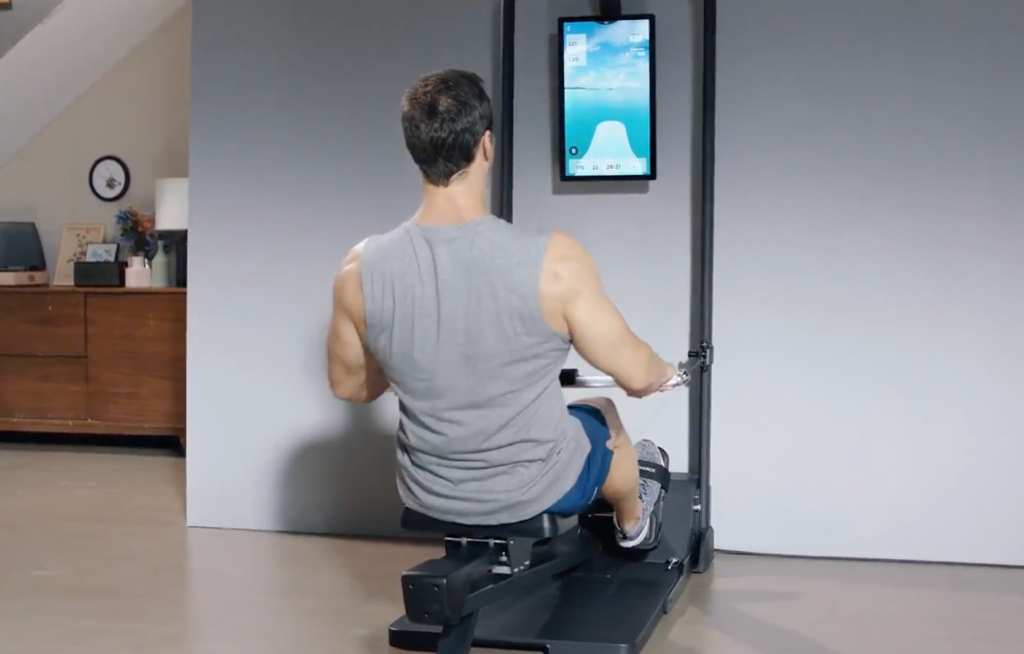
Seated rows and standing cable rows strengthen the back, shoulders, and arms. These exercises are particularly useful for people who spend much of their working day sitting at a desk and want to build upper-body strength.
5. Carrying: Handling Everyday Loads
Carrying grocery bags, luggage, or gardening supplies requires grip strength, core stability, and coordination.
A farmer’s carry is a simple exercise that trains these abilities. Hold a manageable weight in each hand and walk a short distance while maintaining an upright posture. Start light and gradually increase the distance or weight as you become more comfortable.
How to Get Started With Strength Training at Home
One of the biggest advantages of exercising at home is that you can work around your own schedule. A short session before work or after dinner can be much easier to fit into your day than a trip to the gym.
Bodyweight exercises and resistance bands are inexpensive ways to get started. Adjustable dumbbells are another practical option if you want to gradually increase the challenge.
If you’re looking for a longer-term setup, a smart home gym can bring several types of resistance training into one space.
For example, the Speediance Gym Monster combines adjustable digital resistance, guided workouts, and exercise tracking in an all-in-one system. Such equipment may appeal to people who want access to different strength-training exercises without purchasing multiple machines, although suitability depends on individual needs and budget.
For beginners, the ability to start with light resistance, follow guided workouts, and adjust the difficulty as they improve can make strength training feel less intimidating. The same equipment can also support more challenging workouts as their fitness develops.
Whatever equipment you choose, the most important consideration is whether it fits your space, budget, and exercise habits.
A Simple Weekly Routine for Building Everyday Strength
You don’t have to work out every day to benefit from strength training. According to the Centers for Disease Control and Prevention (CDC), adults should aim for at least 150 minutes of moderate-intensity aerobic activity each week and muscle-strengthening activities on at least two days.
Here’s an example of how you could combine these activities throughout the week:
| Day | Activity |
| Monday | Full-body strength training |
| Tuesday | 30-minute brisk walk |
| Wednesday | 30-minute brisk walk and balance exercises |
| Thursday | Full-body strength training |
| Friday | 30 minutes of cycling or brisk walking |
| Saturday | 30 minutes of moderate recreational activity |
| Sunday | 30-minute brisk walk and gentle stretching |
For your strength training sessions, choose four or five exercises that target different major muscle groups. Start with one or two sets of 8–12 repetitions using a manageable level of resistance.
You should feel that your muscles are working, but you shouldn’t have to sacrifice good technique to finish a set. Give yourself time to recover between sessions and increase the resistance gradually rather than rushing to lift heavier weights.
If you’re returning to exercise after a long period of inactivity or managing an existing health condition, consider speaking with a healthcare professional before beginning a new routine.
Focus on What Your Body Can Do
Progress doesn’t always have to mean lifting more weight. It might mean carrying your groceries with less effort, feeling steadier on your feet, or having more confidence when playing with your children or grandchildren.
These small improvements are worth paying attention to. They reflect the kind of strength that matters beyond the gym.
Start with movements you can perform comfortably, build a routine that fits your life, and give yourself time to improve. The goal isn’t to train like an athlete. It’s to build a body that allows you to keep doing the things you enjoy for years to come.
Other Articles You May Find of Interest...
- Training for Everyday Life: How Functional Strength Helps You Stay Healthy as You Age
- Your Guide to Smarter Weight Management: How Doctor-Supervised Online Weight Loss Treatments Combine Convenience With Clinical Safety
- Lipo 360 vs. Traditional Liposuction: What Patients Should Know About Full-Torso Contouring
- Holiday Weight Gain Is Real: A Seven-Day Indoor Walking Plan
- Rapid Weight Gain: Possible Causes and When to Seek Care
- Cheapest Tirzepatide Online: 6 Programs Compared on Total Monthly Cost
- What to Look for in a Gastric Bypass Surgery Program Near Kissimmee