
Your Health Magazine Contributor
4201 Northview Drive
Suite 102
Bowie, MD 20716
More Sleep Articles
Full Size Hybrid Mattress Support in a Compact Sleeping Space
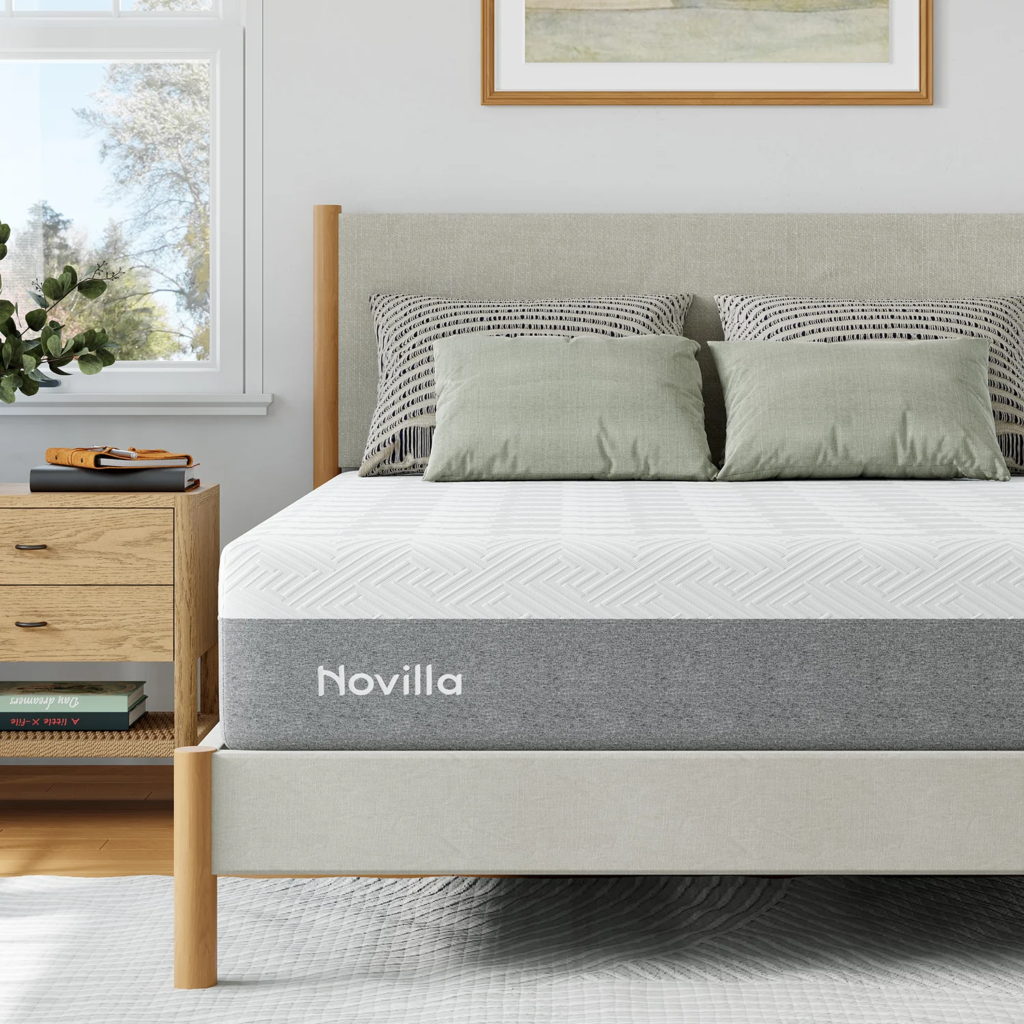
Making a small bedroom comfortable requires careful choices. The bed needs to provide enough room for restful sleep without leaving the space so crowded that everyday activities become difficult. This balance matters in studio apartments, smaller bedrooms, guest rooms, and shared homes where floor space must serve several purposes.
Mattress size is only one part of the decision. Construction, firmness, bed height, and the position of nearby furniture can influence sleep comfort, physical support, and ease of movement. Choosing a suitable mattress and arranging the bedroom thoughtfully can help create a more comfortable sleep environment while maintaining safe access to furniture and walking areas.
Why Full Size Mattresses Work in Smaller Rooms
A standard full size mattress measures 54 inches wide and 75 inches long, or approximately 137 by 190.5 centimeters. It offers more width than a standard twin mattress while taking up less floor space than a queen. For a single sleeper, this can provide a useful balance between personal comfort and practical room planning.
A full size mattress may suit a teenager’s bedroom, a guest room, or a compact apartment where a larger bed would limit furniture placement. The additional width can make it easier to change sleeping positions, stretch out, or relax on the bed during the day. However, the standard length may not be sufficient for every taller sleeper, so individual measurements matter.
The frame also affects the amount of space required. A large headboard or wide side rails can extend beyond the mattress dimensions, while a simpler frame may keep the overall footprint closer to the mattress size. Checking the complete measurements before buying helps prevent a bed from blocking drawers, wardrobes, or walking paths.
Understanding Support in a Hybrid Mattress
Hybrid mattresses combine foam comfort layers with a coil-based support system. The foam can provide cushioning around areas such as the shoulders and hips, while the coils contribute structure and responsiveness. The exact feel depends on the materials, layer arrangement, coil design, and firmness of the individual model.
This combination can appeal to sleepers who want cushioning without the close, enveloping feel associated with some all-foam mattresses. Coils may also allow more airflow through the mattress structure, although temperature depends on the entire design, including the foam, cover, bedding, and room conditions.
Support Should Match Sleeping Position
Side sleepers often appreciate cushioning around the shoulders and hips, while back sleepers may prefer a surface that supports the natural curve of the lower back without allowing excessive sinking. Stomach sleepers may need a firmer feel to keep their body comfortably supported. These are general preferences rather than fixed rules, since body shape and personal comfort vary.
A mattress should feel supportive across the areas that carry the most weight. If the surface feels too soft, the body may sink more than desired; if it feels too firm, pressure can build around prominent joints. When possible, review the manufacturer’s firmness guidance and consider a sleep trial before making a final decision.
Making the Most of Limited Floor Space
A compact bedroom feels more functional when the bed does not interrupt the natural route through the room. Positioning it against a wall can free up space on the opposite side for a desk, wardrobe, or small seating area. In a studio, placing the bed in a corner may also help distinguish the sleeping zone from the living area.
Measure the space needed for doors and drawers before deciding where the bed should go. A wardrobe that cannot open fully or a desk chair that cannot slide back will become a daily inconvenience. If the room is particularly narrow, replacing bulky bedside cabinets with slim tables or wall-mounted shelves can help preserve movement space.
Under-bed storage can be useful, but it should be planned rather than added as an afterthought. Measure the clearance beneath the frame and choose containers that can be pulled out easily. Keeping stored items in matching boxes or covered bags can also prevent the area from looking cluttered when it is visible from the doorway.
Comparing Hybrid Mattress Options for Smaller Bedrooms
When comparing hybrid mattresses for smaller bedrooms, consider models that combine cushioning comfort layers with a supportive coil system. Review the available sizes, firmness options, mattress height, foundation requirements, and edge-support features. These details can help determine whether a mattress meets individual comfort needs and fits the available bedroom space.
A hybrid construction differs from an all-foam mattress because the coil unit contributes to the bed’s responsiveness and underlying support. The exact feel still depends on the complete layer design, so buyers should compare individual models rather than assume every hybrid mattress will feel the same.
For a compact room, the full size dimensions can help preserve space for other furniture. Before ordering, confirm the selected mattress thickness and make sure the bed frame is compatible with the manufacturer’s support requirements. A mattress that fits the room and frame properly is more useful than one selected on size alone.
Comparing a Full Size Hybrid With Other Options
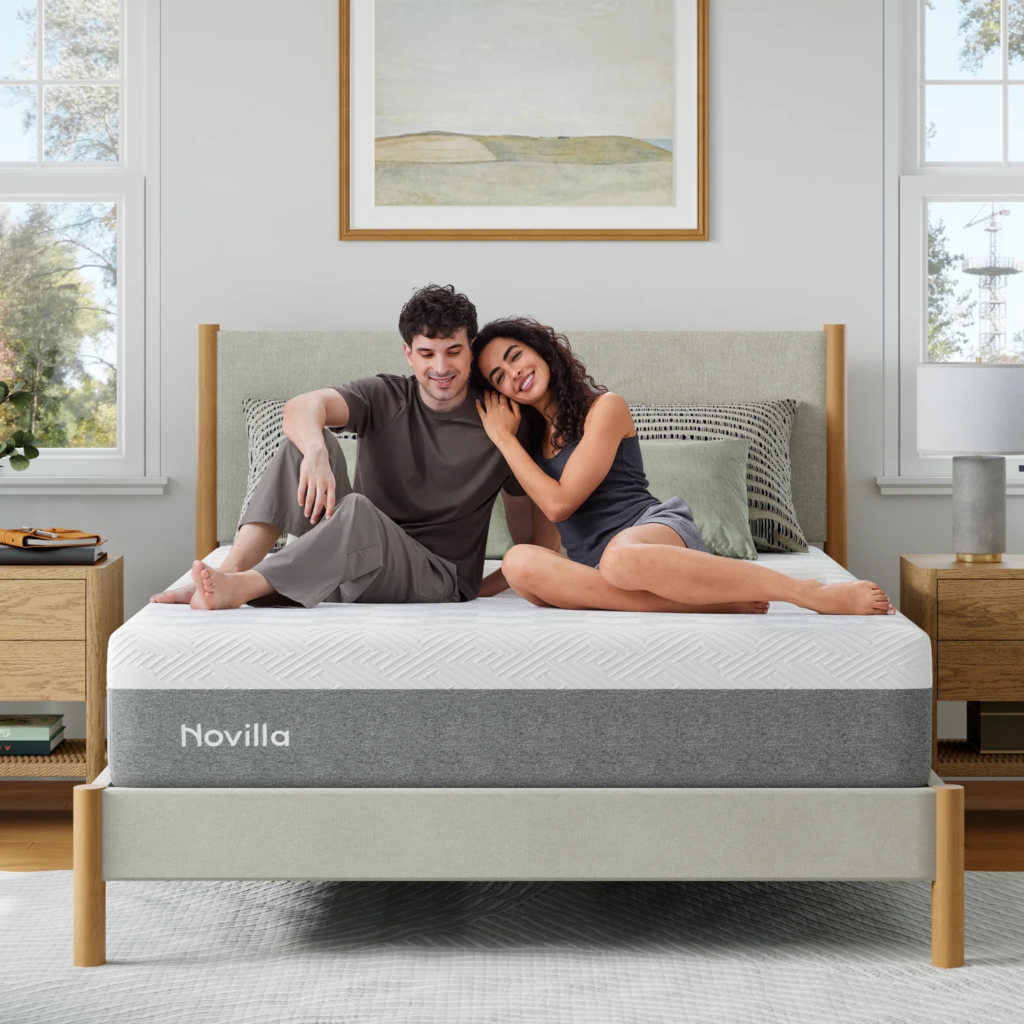
When considering a full size hybrid mattress, compare its comfort layers, support construction, firmness, and expected feel rather than relying on the hybrid label alone. Two mattresses in the same category can feel quite different because they use different foams, coil arrangements, and layer thicknesses.
Memory foam is worth considering for sleepers who prefer body contouring and reduced movement transfer. Hybrid designs may be appealing to those who want a combination of cushioning and a more responsive surface. Some hybrids also feature reinforced edges, which can be helpful when sitting near the side of the bed, but edge support varies by model.
The mattress should also match the sleeper’s daily routine. Someone who reads or works from bed may have different comfort preferences from someone who uses the bed only for sleeping. Reviewing the construction details and available trial terms can help make the comparison more practical.
Choosing Bedding and a Suitable Bed Frame
Bedding can affect both comfort and the appearance of a small bedroom. Breathable sheets, a suitable comforter, and pillows that match the sleeper’s position can contribute to a more comfortable setup. Avoid choosing an excessively thick comforter or too many decorative cushions if they leave little room for sleeping or make the bed difficult to keep tidy.
The bed frame should provide the support required by the mattress and suit the room’s proportions. A simple platform frame can create a clean appearance, while a tall headboard may add visual weight to a small room. If storage is important, compare frames with under-bed clearance or built-in compartments, keeping in mind that drawers require space to open.
Bed height deserves attention too. The combined height of the frame and mattress affects how easy it is to sit down and stand up. If the bed will be used by a teenager, an older adult, or guests with different mobility needs, consider accessibility as part of the overall choice.
FAQs
Is a full size mattress large enough for one adult?
For many adults, a full mattress provides comfortable width for sleeping alone. It measures 54 by 75 inches, giving a single sleeper more room than a standard twin. Taller individuals should check the length carefully, and people who like plenty of space to stretch may prefer a larger size if the room allows it.
Does a hybrid mattress always provide better support than memory foam?
No. Support depends on the individual mattress design, firmness, materials, and the sleeper’s needs. Hybrid mattresses combine foam and coils, while memory foam models use foam layers to contour around the body. Comparing specifications and personal comfort preferences is more useful than assuming one construction is best for everyone.
How much space should be left around a full size bed?
There is no single clearance that works for every room, but the bed should leave enough space to walk safely, access storage, and open nearby doors and drawers. Measure the frame’s external dimensions, not just the mattress, and plan the location of bedside tables before arranging the rest of the furniture.
Build a Sleeping Space That Works Every Day
A compact bedroom can still offer a comfortable sleeping experience when the mattress and furniture are selected with care. A full size mattress provides a useful middle ground for many single sleepers, while the right construction can help meet individual preferences for cushioning, responsiveness, and support.
Start with the room’s measurements, consider how the bed will be used, and compare the details of each mattress rather than focusing on its category alone. With a suitable frame, practical storage, and a clear furniture layout, even a small sleeping space can feel organized, comfortable, and easy to live in.
Other Articles You May Find of Interest...
- Full Size Hybrid Mattress Support in a Compact Sleeping Space
- Sleeping Hot on a Queen Size Mattress: What Cooling Memory Foam Can and Cannot Change
- How to Work a Graveyard Shift Without Wrecking Your Sleep
- The 15-Minute Rule: How Long to Lie on a Mattress Before Deciding
- Why Is It So Hard To Get Out Of Bed? What Sleep Science Says
- Why Sleep Consistency Matters More Than Chasing the Perfect Night’s Sleep
- How Quality Bedding Can Help You Sleep Better