




Your Health Magazine Contributor
4201 Northview Drive
Suite 102
Bowie, MD 20716
More Weight Control, Nutrition & Exercise Articles
Ice Bath After Training: How Cold Immersion Fits Into Recovery
Key Highlights
- An ice bath is a cold water immersion recovery technique used after a tough workout to support muscle recovery.
- Many people use cold therapy to ease muscle soreness and feel more ready for the next session.
- Ice bath benefits can include reduced discomfort, better blood flow, and improved blood sugar levels, as well as a mental reset after hard training.
- Elite athletes and everyday fitness enthusiasts both use cold water as part of a wider recovery plan.
- The best results usually depend on water temperature, session length, and how often you use it.
- Beginners should start carefully, especially if they have high blood pressure or other medical concerns.
Introduction
After a hard session, an ice bath can seem either brilliant or brutal. Yet more people are using cold water and cold immersion to support muscle recovery, manage soreness, and stay consistent with training. If you want a simple way to fit cold therapy into your routine, it helps to know when it works best, how to use it, and when to be careful. The bottom line is, ice baths can be effective, but understanding their limitations is crucial.
Why Consider an Ice Bath After Training?
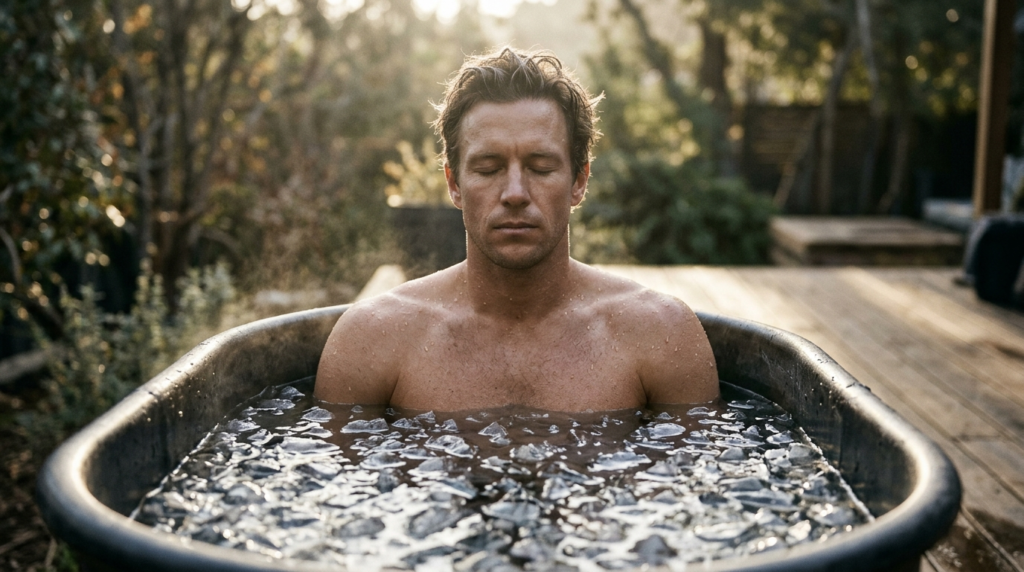
After a tough workout, cold water immersion may help you manage muscle soreness and feel less beaten up the next day, potentially leading to fewer sick days when training again soon without carrying uncomfortable muscle aches into your next session.
It also fits well into a wider recovery plan. Cold therapy is not a magic fix, but it can support how you recover after intense exercise and even help in managing insulin levels. To see why so many people use it, it helps to look at how an ice bath has grown in real training culture.
The Rise of Ice Baths in Athletic Recovery Across Australia
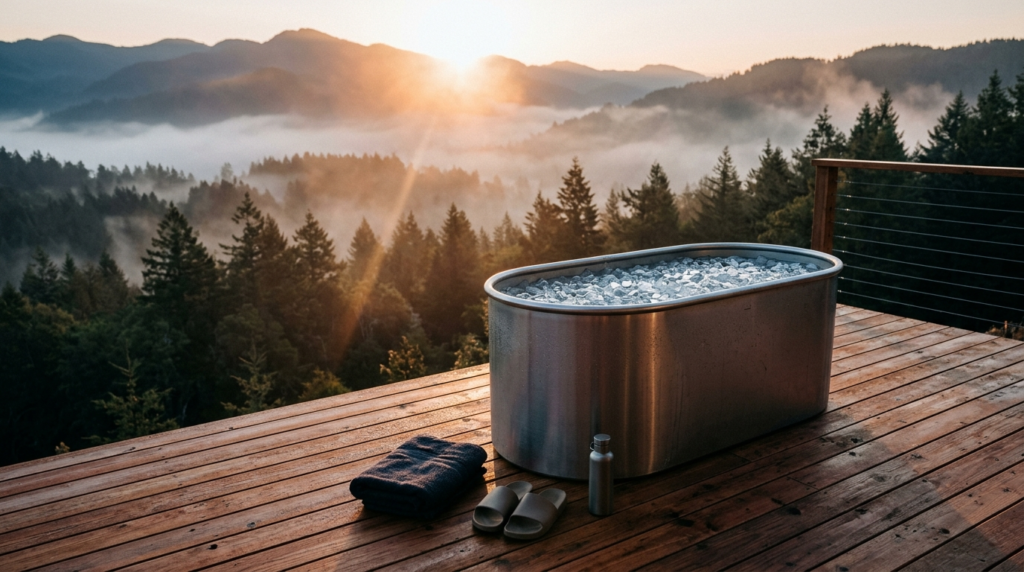
Cold plunges have become popular across Australia, moving beyond elite sports to everyday fitness routines. Many now use ice tubs, barrels, or home setups for regular cold exposure to help lower their core temperature.
Convenience is a key draw. Lifespan Fitness offers portable options that chill water to 3°C, making it easier than filling a bathtub with ice each time.
However, ice baths aren’t suitable for everyone. Those with heart or certain medical conditions should consult a doctor first. Most people can start with short sessions and gradually build tolerance.
When to Use Ice Baths for Maximum Benefit Post-Exercise
Use an ice bath after intense exercise to aid muscle recovery, reduce soreness, and feel fresher for your entire body and your next workout. This is especially helpful after long runs, tough team training, or heavy gym sessions.
- Reserve ice baths for your hardest workouts, not every session.
- Start with short durations to get used to the cold.
- Consult a healthcare provider if you have high blood pressure or health concerns.
How Do Ice Baths Work on the Body After Training?
Cold water immersion triggers immediate physiological responses, including a parasympathetic response. In simple terms, the cold temperature affects blood vessels, heart rate, and your nervous system, creating that strong first jolt many people notice when they step in.
After that early shock, cold therapy is used to support muscle repair and recovery, while also impacting the immune system. It is not just about feeling tough. The real interest is how cold exposure may change soreness, blood flow, and how ready your body feels for the next bout of exercise.
The Science Behind Cold Immersion and Muscle Recovery
The basic idea is straightforward. Cold immersion changes blood flow and creates a clear physical response as your body reacts to lower water temperature. That is one reason it has become so common in sport and recovery routines.
Many users turn to it after intense exercise because it may help manage sore muscles and support muscle repair. The aim is not to erase effort, but to reduce the heavy, stiff feeling that can follow a demanding session.
Think of a runner after repeated hill sprints or a gym user after hard resistance training. In both cases, cold plunging, or an ice bath, is usually used to improve how they feel in the short term, so the next session feels more doable.
Short-Term and Long-Term Effects of Using an Ice Bath
In the short term, many people use ice baths to manage delayed onset muscle soreness and feel less stiff after training, as they reduce metabolic activity in the muscles. A simple use case is taking a plunge after a weekend match, then adding light movement later in the day.
Long-term, regular cold exposure should be viewed as one part of a recovery plan, not the whole plan. Training quality, rest days, and your goals still matter, especially if muscle mass growth and strength gains are a priority.
| Effect | What it may mean for you |
| Short-term comfort | Less soreness and easier movement after hard training |
| Recovery routine | Helps you stay consistent when used with rest and light movement |
| Long-term caution | Regular use should be balanced with goals like muscle growth and strength training. |
What Are the Key Benefits of Ice Baths for Muscle Recovery?
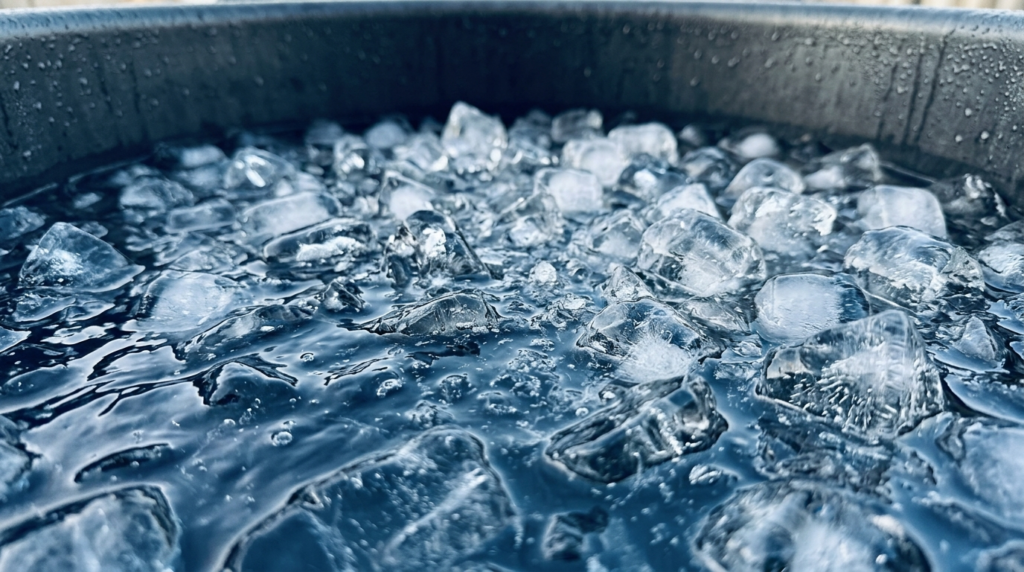
The main draw is simple: less muscle soreness after hard exercise. For many people, that means easier walking the next day, less stiffness, and a better chance of sticking to their training schedule.
From a sports medicine view, the biggest ice bath benefits sit around comfort and recovery rather than miracle results. It can support muscle recovery and promote the release of endorphins, but it works best when paired with smart training, proper rest, and a realistic recovery plan.
Reducing Muscle Soreness and Inflammation with Ice Baths
Many people ask: does cold water relieve soreness? For many people, yes. This is why ice baths are popular after intense workouts. Cold water helps calm post-exercise inflammation and can make movement easier.
After a tough workout, cold water may reduce swelling and heaviness. You might still feel tired, but the health benefits include managing soreness, making it more manageable.
- May reduce muscle soreness after intense exercise
- Can help you move more comfortably the next day
- Supports recovery but doesn’t replace sleep, nutrition, or rest days
Can Ice Baths Help Prevent Overuse Injuries?
Ice baths may reduce soreness, but they don’t prevent overuse injuries. These injuries stem from excessive training, repeated muscle damage, and insufficient recovery.
Rest days are essential—cold therapy can’t compensate for poor planning or persistent fatigue. Ice baths work best during intense training weeks when paired with proper workload adjustments.
Relying too much on ice baths is risky; feeling refreshed might make you ignore warning signs and skip needed rest or medical advice.
Ice Bath Setup: Temperature, Duration, and Frequency Explained
A good setup makes this recovery technique easier to stick with. The big questions are always the same: how cold should the water be, how long should you stay in, and how often should you do it?
The answer depends on your goals, tolerance, and routine. Ice bath benefits are easier to access when the setup is simple, consistent, and safe, which is why many home users prefer tubs or barrels with controlled cold temperature settings to avoid triggering a cold shock response.
Ideal Ice Bath Temperature for Effective Recovery
Much sports recovery guidance suggests water between about 10°C and 15°C. This is cold enough to ease soreness without being overwhelming for most people. Beginners should start at the warmer end and lower the temperature gradually as they adapt. A chiller makes this easier because you can set the exact temperature for each session. Lifespan Fitness ice baths can go as low as 3°C, but colder water isn’t necessary for effective recovery.
How Long and How Often Should You Use an Ice Bath?
Start with short sessions of two to three minutes and build up gradually as your body adapts. Many people work up to around 10 minutes, but longer isn’t always better, so get out if you start shivering hard or feel numb. One to three sessions a week after your hardest workouts suits most routines. As a beginner, avoid using an ice bath alone, and get medical advice first if you have heart or blood pressure concerns.
Conclusion
Incorporating ice baths into your recovery routine can boost muscle recovery and reduce soreness. Cold immersion helps manage inflammation and prevent overuse injuries, significantly influencing the inflammatory response. By adjusting the temperature, duration, and frequency, you can tailor ice baths to your needs. Consistency is key for long-term benefits. To enhance your recovery, consider adding ice baths to your post-training regimen. For personalised advice, contact our experts for a free consultation.
Frequently Asked Questions
Do ice baths actually work for post-exercise recovery?
Yes, they can help with muscle recovery for endurance athletes, mainly by easing soreness after hard training. Cold water immersion creates clear physiological responses to cold exposure, and the main ice bath benefits are usually felt in comfort, recovery, and readiness for the next session.
How does an ice bath compare to other recovery methods?
An ice bath is one recovery technique, not the only one. Compared with other options, cold immersion is mostly used to manage soreness after hard strength training, while your broader routine still needs to support faster recovery, muscle growth, muscle gains, sleep, food, and rest.
Is it safe to take ice baths every day for muscle recovery?
Daily cold therapy is not necessary for most people. One to three sessions a week often fits muscle recovery better, and anyone with high blood pressure, heart issues, or other health concerns should get medical advice before starting or increasing cold exposure.
Other Articles You May Find of Interest...
- How GLP-1 Medications Are Changing Eating Habits
- Best Treadmills for Home Use: What to Look For Before Buying
- Ice Bath After Training: How Cold Immersion Fits Into Recovery
- How to Build a Healthy Lifestyle Without Overspending on Everyday Essentials
- Building Healthier Habits Through Exercise: How to Stay Active and Track Your Progress
- A Better Breakfast: How Whole Grains and Seeds Support a Healthy Morning Routine
- How to Buy Frozen Seafood That Actually Tastes Good





