Your Health Magazine Contributor
4201 Northview Drive
Suite 102
Bowie, MD 20716
More Weight Control, Nutrition & Exercise Articles
A Better Breakfast: How Whole Grains and Seeds Support a Healthy Morning Routine
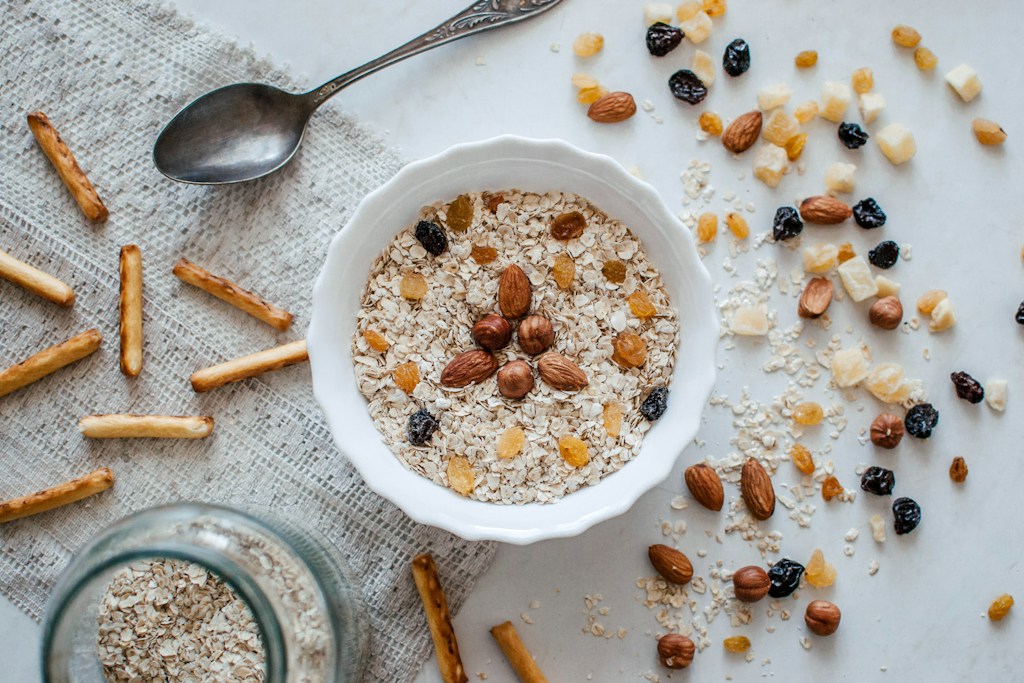
A healthy morning doesn’t have to begin with an elaborate meal, expensive superfoods, or a complicated nutrition plan. Sometimes, the most meaningful improvements come from choosing simple ingredients that work well together. Whole grains, seeds, fresh fruit, and protein-rich foods can transform an ordinary breakfast into a satisfying meal that supports a balanced diet.
For many people, mornings are the busiest part of the day. Between getting ready for work, preparing children for school, and managing daily responsibilities, breakfast can easily become an afterthought. However, making a few thoughtful changes to what you eat in the morning can help you increase your fiber intake, include more essential nutrients, and feel satisfied until your next meal.
The secret isn’t finding one perfect breakfast. It’s understanding how everyday ingredients complement one another.
Why Breakfast Quality Matters More Than Breakfast Size
A large breakfast isn’t necessarily a nutritious one. Similarly, a small meal can provide meaningful nutritional value when it contains the right combination of ingredients.
A balanced breakfast generally includes several important components:
- Complex carbohydrates from whole grains to provide energy.
- Dietary fiber to support digestive health and fullness.
- Protein to contribute to satiety and maintain normal body functions.
- Unsaturated fats from foods such as nuts and seeds.
- Vitamins and minerals from fruit, vegetables, and other nutrient-dense ingredients.
These components work together to create a meal that is more nutritionally complete than a breakfast consisting mainly of refined carbohydrates and added sugar.
Individual needs vary, and breakfast timing is a matter of personal preference. What matters most is the overall quality and balance of your daily diet.
Whole Grains: A Simple Foundation for a Nutritious Breakfast
Whole grains are among the easiest foods to incorporate into a healthier morning routine. Unlike refined grains, which have had parts of the grain removed during processing, whole grains retain their bran, germ, and endosperm.
These components provide dietary fiber and a range of naturally occurring nutrients.
Oats are particularly useful because they are affordable, versatile, and convenient. They contain beta-glucan, a type of soluble fiber associated with healthy cholesterol levels when consumed in appropriate amounts as part of a balanced diet.
Oatmeal also offers almost endless possibilities for customization. It can be prepared with milk, fortified plant-based beverages, yogurt, fruit, spices, and seeds.
Keeping basic ingredients available makes healthier choices considerably easier. For example, having a selection of breakfast essentials such as oatmeal and oat flakes provides a practical starting point for several nutritious morning meals.
Plain oats are also an excellent alternative to many heavily sweetened breakfast cereals. Rather than relying on added sugar for flavor, you can introduce natural sweetness through berries, apples, bananas, or cinnamon.
Small Seeds Can Make a Meaningful Nutritional Contribution
Seeds may be tiny, but they contain a concentrated combination of nutrients. Depending on the variety, they can provide fiber, plant protein, unsaturated fats, and minerals such as magnesium, zinc, and iron.
Their greatest advantage is convenience. Most seeds require very little preparation and can be incorporated into foods you already enjoy.
Chia Seeds: Fiber and Versatility
Chia seeds are particularly well known for their fiber content and their ability to absorb liquid.
When mixed with milk, yogurt, or a plant-based beverage, they develop a gel-like texture that works well in overnight oats and homemade puddings.
Chia seeds also provide alpha-linolenic acid (ALA), a plant-based omega-3 fatty acid.
They aren’t a miracle food, and eating them alone won’t guarantee weight loss or prevent disease. However, they can contribute valuable nutrients to an otherwise balanced eating pattern.
Flaxseeds: An Easy Addition to Everyday Meals
Flaxseeds are another source of fiber and plant-based omega-3 fatty acids.
Ground flaxseed is generally preferable when the goal is to absorb more of its nutrients, as whole flaxseeds may pass through the digestive system without being fully broken down.
A small amount of ground flaxseed can be stirred into oatmeal, yogurt, pancake batter, or smoothies.
Its mild, slightly nutty flavor makes it especially convenient for people who prefer familiar breakfast combinations.
Pumpkin and Sunflower Seeds: Crunch With Nutritional Value
Pumpkin and sunflower seeds are useful when you want to introduce a crunchy texture.
Pumpkin seeds provide plant protein and minerals, including magnesium and zinc. Sunflower seeds contain vitamin E and unsaturated fats.
Both work well as toppings for oatmeal, yogurt bowls, and homemade granola.
For anyone interested in exploring different combinations, a variety of seeds, grains, and kernels for everyday meals makes it easier to experiment with flavors and textures without completely changing familiar recipes.
Remember that seeds are relatively energy-dense. A modest serving is usually enough to add texture and nutrients without overwhelming the meal.
The Importance of Combining Fiber, Protein, and Healthy Fats
Eating oatmeal on its own can be nutritious, but combining it with other food groups can create a more satisfying meal.
Consider the difference between a bowl of plain oatmeal and a bowl containing oatmeal, Greek yogurt, berries, and ground flaxseed.
The second version provides a broader combination of nutrients:
- Oatmeal contributes complex carbohydrates and soluble fiber.
- Greek yogurt supplies protein.
- Berries provide additional fiber and naturally occurring plant compounds.
- Flaxseed adds unsaturated fats and more dietary fiber.
This combination can help make breakfast more filling while increasing dietary variety.
The same principle applies to savory meals. Whole-grain toast with eggs, avocado, tomatoes, and a sprinkle of seeds can be another practical option.
You don’t need to calculate every nutrient at breakfast. A simple habit of combining whole grains or other fiber-rich carbohydrates with protein and a source of healthy fat can make meal planning easier.
Three Easy Breakfast Ideas for Busy Mornings
Healthy meals don’t need to require extensive preparation. The following options use familiar ingredients and can be adapted to different preferences.
1. Overnight Oats With Chia Seeds and Berries
Combine half a cup of rolled oats with half a cup of milk or an unsweetened plant-based beverage. Add one tablespoon of chia seeds and a few spoonfuls of plain yogurt.
Stir thoroughly, refrigerate overnight, and top with fresh or frozen berries before serving.
The oats soften while the chia seeds absorb liquid, creating a creamy texture without cooking.
This breakfast is especially convenient for people who prefer to prepare meals the evening before.
2. Greek Yogurt Bowl With Fruit and Pumpkin Seeds
Start with plain Greek yogurt and add sliced banana, blueberries, or seasonal fruit.
Sprinkle a tablespoon of pumpkin seeds over the top and add a small portion of unsweetened oats for extra texture.
This combination requires only a few minutes to prepare and provides protein, fiber, and healthy fats.
For additional flavor, try a little cinnamon or unsweetened cocoa powder.
3. Warm Oatmeal With Apple, Cinnamon, and Flaxseed
Cook rolled oats according to the package instructions using water, milk, or a suitable alternative.
Add chopped apple and cinnamon while the oats are cooking. Once the oatmeal is ready, stir in a tablespoon of ground flaxseed.
The apple provides natural sweetness, while the flaxseed adds a mild nutty flavor.
For extra protein, serve with plain yogurt or include a protein-rich milk alternative.
These three meals demonstrate that nutritious breakfasts can be both simple and enjoyable.
Common Breakfast Mistakes That Are Easy to Avoid
Even people who make an effort to eat healthily can overlook a few important details.
Relying too heavily on sweetened cereals. Some breakfast cereals contain substantial amounts of added sugar while providing relatively little fiber. Comparing nutrition labels and choosing plain whole-grain options more often can be a useful improvement.
Forgetting about protein. A meal consisting only of toast, fruit, or plain cereal may not be satisfying for everyone. Adding yogurt, eggs, cottage cheese, tofu, or another protein source can improve the overall balance.
Using oversized portions of calorie-dense toppings. Nuts and seeds offer valuable nutrients, but larger portions also contribute more calories. Portion awareness matters, particularly for people managing their energy intake.
Increasing fiber too quickly. Suddenly introducing large amounts of oats, chia seeds, and flaxseed may cause bloating or digestive discomfort. Gradually increasing fiber while drinking adequate fluids is usually more comfortable.
Assuming every product labeled healthy is nutritionally superior. Claims such as “natural,” “high-energy,” or “superfood” don’t automatically indicate that a product is appropriate for your dietary needs. Ingredient lists and nutrition information are more useful guides.
People with food allergies should also check product labels carefully, especially when consuming sesame or products that may contain other allergens.
How to Build a Sustainable Breakfast Routine
The most effective dietary habits are often the ones that are easy to maintain.
Instead of changing your entire morning routine, begin with one improvement. Replace a frequently consumed sugary cereal with plain oatmeal, add fruit to your yogurt, or introduce a small serving of seeds to a familiar dish.
Preparing ingredients in advance can also help. Store oats in an accessible container, portion seeds into small jars, and keep frozen berries available for mornings when fresh fruit isn’t convenient.
Variety is another important consideration. Alternating between oatmeal, whole-grain toast, yogurt bowls, and savory breakfasts prevents meals from becoming repetitive while providing a wider range of nutrients.
Most importantly, avoid treating healthy eating as an all-or-nothing commitment. One breakfast won’t determine your overall health, just as one less nutritious meal won’t undo otherwise healthy habits.
Long-term dietary patterns matter far more than individual food choices.
Final Thoughts: Better Mornings Start With Simple Choices
Improving breakfast doesn’t require expensive ingredients or dramatic dietary restrictions.
Whole grains and seeds are practical foods that can contribute fiber, healthy fats, plant protein, and essential minerals to everyday meals. Combined with fruit, vegetables, and appropriate protein sources, they can help create breakfasts that are convenient, satisfying, and nutritionally balanced.
The most useful approach is also one of the simplest: choose wholesome ingredients, experiment with combinations you genuinely enjoy, and establish habits that fit your lifestyle.
A nutritious morning routine isn’t about perfection. It’s about making small, sustainable choices that support your overall health over time.
Other Articles You May Find of Interest...
- A Better Breakfast: How Whole Grains and Seeds Support a Healthy Morning Routine
- How to Buy Frozen Seafood That Actually Tastes Good
- What a Weight Loss Clinic in Melbourne Can Do Before and After Your Surgery
- Cold Plunge or Sauna? What the Recovery Research Actually Shows
- How Personalized Weight Loss Programs Help Achieve Sustainable, Long-Term Results
- High-Fructose Foods to Limit and Lower-Sugar Alternatives
- Best High-Fiber Foods Chart for Better Digestive Health
Featured Doctors and Practices