More Pain Management & Rehabilitation Articles
Lower Right Back Cramps: Causes and Relief
By Your Health Magazine Health Information Team
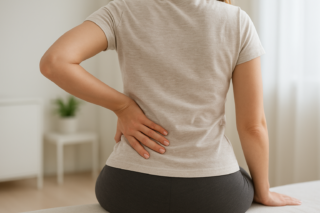
Lower right back cramps are most often caused by a tight, overworked, or strained muscle, especially when the discomfort follows lifting, exercise, prolonged sitting, or an awkward movement. However, one-sided back pain can also come from the spine, sacroiliac joint, a kidney stone or infection, or an abdominal or pelvic condition. The pattern of pain and any accompanying symptoms help determine whether home care is reasonable or medical evaluation is needed.
Common Causes of Lower Right Back Cramps
| Possible cause | Clues that may accompany the pain |
|---|---|
| Muscle strain or spasm | Pain after lifting, twisting, exercise, repetitive activity, or prolonged posture; tenderness; stiffness; pain that changes with movement |
| Sacroiliac joint or spinal problem | One-sided pain near the upper buttock, discomfort when standing after sitting, or pain with bending and rotating |
| Nerve irritation | Burning or shooting pain into the buttock or leg, sometimes with tingling, numbness, or weakness |
| Kidney stone | Sharp or intense pain in the back or side that may come in waves and travel toward the lower abdomen or groin; nausea or blood in the urine |
| Kidney infection | Back or side pain with fever, chills, painful or frequent urination, cloudy urine, nausea, or vomiting |
| Abdominal or pelvic condition | Lower abdominal pain, digestive symptoms, vaginal bleeding, menstrual changes, pregnancy symptoms, fever, nausea, or vomiting |
Muscles, Joints, and the Spine
A muscle spasm can feel like tightening, cramping, or a knot that releases and returns. It may develop when muscles are fatigued, strained, or guarding an irritated joint. Pain that can be reproduced by pressing the area or by bending, lifting, or twisting is more suggestive of a musculoskeletal cause, although this pattern alone cannot confirm the diagnosis.
The sacroiliac joint, which connects the pelvis to the base of the spine, can cause pain mainly on one side of the lower back or buttock. Arthritis, irritated spinal joints, disc problems, and bony changes may also contribute. For example, endplate osteophytes and their effects on the spine may be relevant when degenerative changes are seen on imaging, but scan findings must be interpreted alongside symptoms and a physical examination.
If pain travels down the leg or occurs with tingling or numbness, a spinal nerve may be irritated. The National Library of Medicine provides additional information about the causes and treatment options for back pain.
Kidney and Urinary Causes
The kidneys sit higher than many people expect, toward the back beneath the lower ribs. Kidney-related discomfort is therefore often described as side or flank pain rather than pain directly over the lowest part of the spine.
A kidney stone may cause severe, sharp pain that comes and goes in waves and moves toward the abdomen or groin. Urinary urgency, painful urination, nausea, vomiting, or blood in the urine may occur. The National Institute of Diabetes and Digestive and Kidney Diseases explains additional signs of kidney stones.
A kidney infection is more likely when back or side pain occurs with fever, chills, urinary burning or frequency, foul-smelling or cloudy urine, nausea, or vomiting. These symptoms require prompt medical care because the infection can become serious. Review the NIH guidance on kidney infection symptoms for more detail.
Abdominal, Reproductive, and Pregnancy-Related Causes
Appendicitis usually causes abdominal pain that may begin near the belly button and move to the lower-right abdomen. The pain commonly worsens over several hours and may occur with loss of appetite, fever, nausea, or vomiting. Although back cramping alone is not the classic presentation, urgent evaluation is appropriate when right-sided back discomfort accompanies worsening lower-right abdominal pain.
In people with ovaries, an ovarian cyst, ovarian torsion, endometriosis, or another pelvic condition may cause one-sided pelvic pain that is felt in the lower back. Sudden severe pelvic or abdominal pain, particularly with nausea or vomiting, needs emergency assessment.
If pregnancy is possible, one-sided pelvic or lower abdominal pain with vaginal bleeding, shoulder pain, dizziness, or fainting may indicate an ectopic pregnancy. This can be life-threatening and requires immediate care. MedlinePlus describes the warning signs and evaluation of ectopic pregnancy.
What May Help a Mild Muscle Cramp
Home care is most appropriate when the pain began after physical activity or prolonged posture, remains mild to moderate, changes with movement, and is not accompanied by warning signs.
- Modify aggravating activity. Temporarily avoid heavy lifting, forceful twisting, and movements that clearly worsen the pain. Extended bed rest is generally not recommended.
- Keep moving gently. Short walks and comfortable daily movement can reduce stiffness. Stop if movement produces sharp pain, leg weakness, or spreading numbness.
- Try cold or warmth. A wrapped cold pack may help after a recent strain, while gentle warmth may relax tight muscles. Use short sessions and protect the skin from direct heat or ice.
- Change position regularly. Avoid remaining seated or standing in one position for long periods. A pillow between the knees when side-sleeping, or beneath the knees when lying on the back, may reduce strain.
- Consider an over-the-counter pain reliever only if it is safe for you. Follow the product label and ask a pharmacist or clinician if you have kidney or liver disease, ulcers, bleeding problems, take blood thinners, are pregnant, or use other medicines containing the same ingredient.
Do not assume hydration, stretching, massage, or pain medicine will treat cramps caused by a kidney infection, stone, appendicitis, or pelvic emergency. Avoid forceful stretching or spinal manipulation when the cause is uncertain or the pain is severe.
When to Seek Care
Go to an emergency department or call 911 for:
- New loss of bladder or bowel control, difficulty starting urination, or numbness around the groin, genitals, or buttocks
- Severe or rapidly worsening leg weakness
- Sudden, intense abdominal or pelvic pain, especially with fainting, dizziness, shoulder pain, or vaginal bleeding
- Severe pain after a major fall, collision, or other injury
- Worsening lower-right abdominal pain with fever, nausea, or vomiting
Seek same-day medical care for:
- Back or side pain with fever, chills, painful urination, or vomiting
- Visible blood in the urine, inability to urinate, or intense pain that comes in waves
- Pain during pregnancy or when pregnancy is possible
- Persistent numbness, tingling, or pain traveling down the leg
- Severe pain that does not improve with rest or basic self-care
Schedule a primary care visit if lower right back cramps repeatedly return, interfere with sleep or daily activities, or fail to improve over several days. Depending on the suspected cause, evaluation may include a physical and neurologic examination, urine testing, a pregnancy test, blood tests, or imaging. A primary care clinician can also determine whether referral to physical therapy, urology, gynecology, orthopedics, or another specialist is appropriate.
Other Articles You May Find of Interest...
- Lower Right Back Cramps: Causes and Relief
- 5 Ways to Prepare for a Spine Consultation
- Knee Joint Discomfort: Causes and Relief
- Radius and Ulna Fractures at the Wrist: Treatment and Recovery
- Signs Your Knee Cartilage May Be Damaged
- What to Avoid With C5-C6 Degenerative Disc Disease
- Treating a Pinched Nerve in the Lower Back