Your Health Magazine Contributor
4201 Northview Drive
Suite 102
Bowie, MD 20716
More Complementary & Integrative Healthcare Articles
The Paradigm Shift in Female Travel: Prioritizing Holistic Health
The Paradigm Shift in Female Travel: Prioritizing Holistic Health
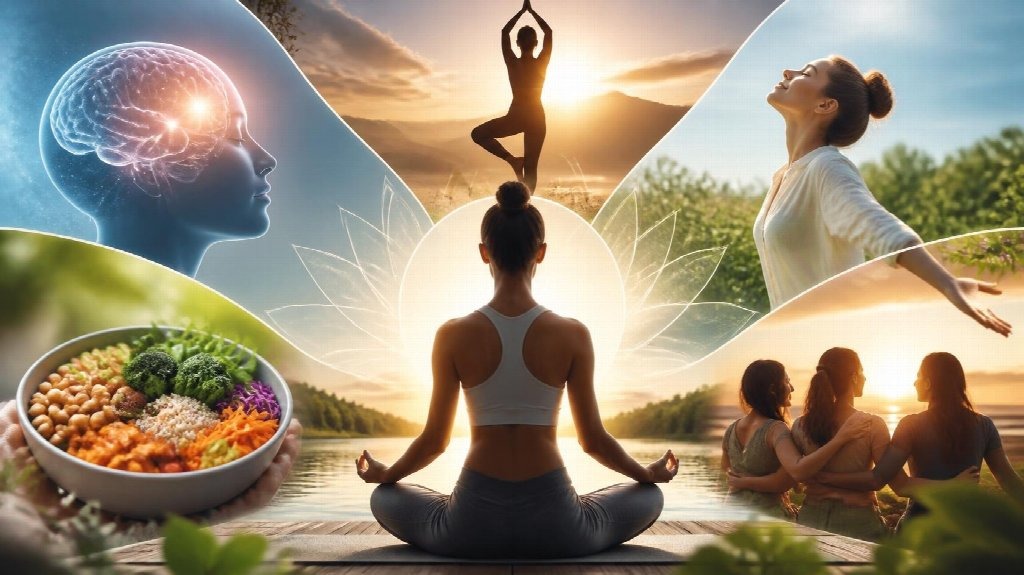
The global tourism landscape is experiencing a shift as wellness-focused travel becomes increasingly popular. Women are seeking structured, supportive environments that provide opportunities to step away from chronic stress, digital fatigue, and demanding routines. Rather than focusing only on passive relaxation, many wellness retreats incorporate activities such as movement, mindfulness, nutrition, sleep support, and therapeutic programming.
Identifying an appropriate program requires considering the wellness approaches offered, the qualifications of facilitators, and the overall environment. Online resources such as Holisteek’s guide to best women’s wellness retreats can provide a starting point for comparing programs, locations, activities, and wellness approaches. Travelers should also review a retreat’s staff qualifications, program details, safety policies, and whether its services are appropriate for their individual needs.
Core Features of Wellness Retreats
Wellness retreats vary considerably in their programs, staff qualifications, facilities, and approaches to physical and emotional well-being. Common features may include:
- Clinical and Alternative Therapies: Some retreats incorporate cognitive behavioral workshops, somatic approaches, EMDR, psychoanalysis, or other therapeutic practices. Programs offering clinical mental health services should use appropriately qualified professionals.
- Nutrition-Focused Programming: Some retreats emphasize balanced meals, minimally processed foods, and dietary approaches designed to support overall well-being.
- Sleep and Circadian Support: Some programs incorporate consistent sleep schedules, appropriate light exposure, reduced nighttime screen use, and other habits intended to support healthy sleep patterns.
- Nature-Based Activities: Some retreats incorporate outdoor environments, walking, mindfulness, or forest-based activities as part of their relaxation and wellness programming.
Examples of Wellness Retreat Destinations
Bali, Indonesia: Traditional Practices and Modern Wellness
Bali is a popular wellness destination known for its concentration of retreats and longstanding spiritual and wellness traditions. Retreats in regions such as Ubud may incorporate Ayurvedic practices, Vinyasa and Yin yoga, meditation, nutrition, and other wellness activities.
Programs may combine yoga, movement, meditation, nutrition, and time outdoors, depending on the retreat.
Sedona, Arizona, USA: Outdoor Activity and Mindfulness
Sedona is known for retreats that combine outdoor activity, meditation, mindfulness, and other wellness practices. Its red-rock landscape attracts travelers interested in combining physical activity with relaxation and reflective experiences.
Programs may include hiking, meditation, yoga, breathwork, biofeedback, and other approaches intended to support stress management and overall well-being.
Nicoya Peninsula, Costa Rica: Lifestyle and Wellness Programs
Costa Rica’s Nicoya Peninsula is widely known for lifestyle patterns associated with longevity. Wellness retreats in the region may incorporate physical activity such as surfing or hiking, restorative yoga, minimally processed foods, time outdoors, and social connection.
Programs may emphasize physical activity, restorative practices, minimally processed foods, social connection, and other lifestyle habits associated with healthy aging.
Potential Benefits of Wellness Retreats
Research on wellness retreats and nature-based programs has explored possible effects on stress, relaxation, sleep, and well-being, although results vary by program and participant.
- Stress Reduction: Some studies of nature-based and structured wellness programs have reported reductions in perceived stress and stress-related measures.
- Relaxation: Activities such as meditation, yoga, breathing exercises, and time in nature may promote relaxation and support stress management.
- Healthier Routines: Retreat settings may give participants an opportunity to focus on sleep, movement, nutrition, mindfulness, and other habits that can be difficult to prioritize during everyday life.
- Behavioral Reset: Time away from everyday routines and digital distractions may give participants an opportunity to establish healthier habits and reflect on patterns that contribute to stress.
Choosing a Wellness Retreat
Before selecting a retreat, consider what the program actually includes and whether its claims are realistic. Look at the qualifications of the people providing therapeutic or clinical services, the daily schedule, accommodations, nutrition options, physical activity requirements, and any health or safety policies.
A wellness retreat should not be treated as a substitute for medical or mental health treatment. Anyone managing a medical condition, recovering from an injury, taking prescription medication, or receiving treatment for a mental health condition should discuss major changes in activity, diet, or treatment with an appropriate healthcare professional.
Frequently Asked Questions
How long should a wellness retreat be?
There is no established minimum retreat length required to produce a physiological or psychological “reset,” and the appropriate duration depends on the individual and the type of program.
A shorter retreat may provide an opportunity to rest, disconnect from routine, and experience new wellness practices, while longer programs may allow more time to establish routines and participate in structured activities.
The first few days may involve adjusting to changes in routine, screen use, sleep schedules, diet, caffeine intake, and daily activity. Some participants may feel more rested or relaxed as they adjust to the retreat environment, but responses and timing vary considerably.
People experiencing significant burnout, trauma-related symptoms, or other mental health concerns should seek guidance from a qualified healthcare or mental health professional rather than relying on a wellness retreat as treatment.
Other Articles You May Find of Interest...
- Choosing a TCM Acupuncture Clinic in Singapore: Evidence, Registration and What to Expect
- The Paradigm Shift in Female Travel: Prioritizing Holistic Health
- Steam Room vs. Sauna: What Homeowners Should Know Before Buying
- Retreat in the Nepal Can Do More for Your Stress Than Another Vacation
- Could Mykonos After August Be an Ideal Base for a Wellness Retreat?
- Never Tried Sound Healing? Expert Reveals The Five Things Every Beginner Should Know Before Their First Session
- What Actually Happens in a Yagé Ceremony