Your Health Magazine Contributor
4201 Northview Drive
Suite 102
Bowie, MD 20716
More Complementary & Integrative Healthcare Articles
Choosing a TCM Acupuncture Clinic in Singapore: Evidence, Registration and What to Expect
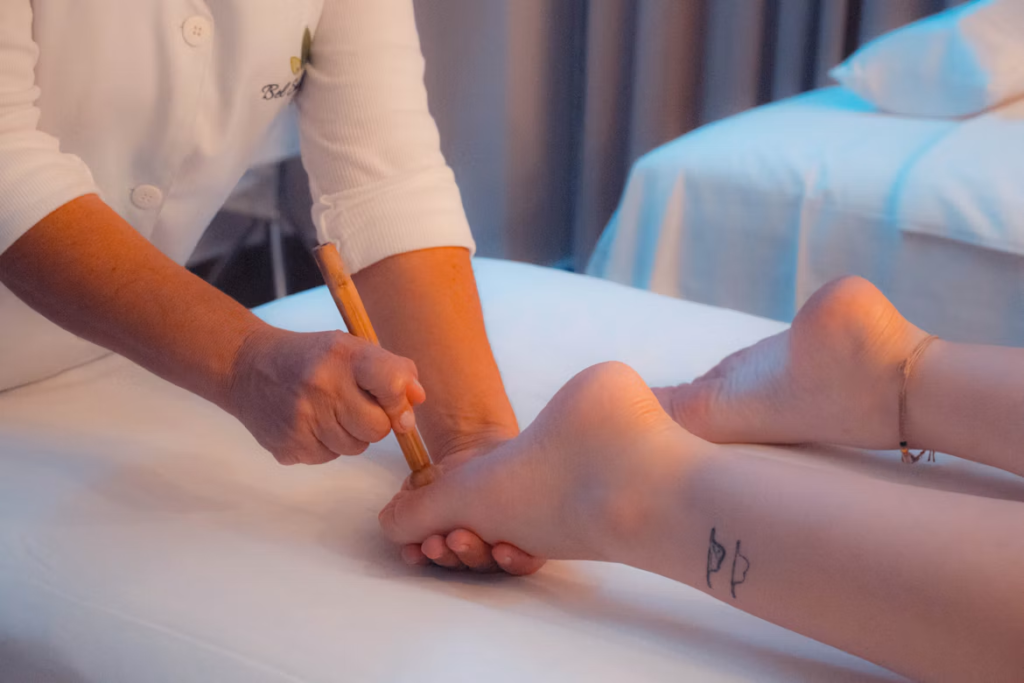
When choosing a TCM acupuncture clinic in Singapore, look for a registered practitioner, evidence relevant to the health concern, a clear assessment and consent process, appropriate needle procedures, and practical access for follow-up.
Modern research has reported measurable outcomes for acupuncture in areas such as chronic pain and migraine prevention. Mechanistic studies have also mapped neural and physiological pathways involved in controlled electroacupuncture responses. Together, these findings provide a scientific basis for discussing acupuncture with a qualified practitioner [S2].
For patients looking for acupuncture in Singapore, practical considerations include practitioner registration, areas of practice, clinic location, accessibility, and the availability of follow-up care. GoodSangTang TCM is one local provider whose official website includes physician profiles, Singapore clinic locations, and appointment information [S1].
What Modern Research Shows About Acupuncture
Acupuncture involves inserting fine needles at selected points on the body. A practitioner may gently manipulate the needles by hand or apply controlled electrical stimulation, depending on the treatment approach.
In traditional Chinese medicine, point selection follows an individual assessment and pattern differentiation. The practitioner considers the patient’s symptoms, health history, and overall presentation. Traditional concepts such as meridians, qi, and blood form part of this framework, while modern research examines sensory, neurological, and physiological responses.
What 39 Randomised Trials Found for Chronic Pain
A 2018 individual patient data meta-analysis combined 39 randomised trials involving 20,827 people with non-specific musculoskeletal pain, osteoarthritis, chronic headache, or shoulder pain. Average pain outcomes favoured acupuncture over both sham acupuncture and no-acupuncture controls. The difference was about 0.2 standard deviations compared with sham acupuncture and about 0.5 standard deviations compared with no acupuncture [S2].
The findings support acupuncture as an evidence-based option for the chronic pain conditions included in the analysis. Patients discussing chronic pain at an acupuncture consultation can prepare details about its location, duration, effect on movement or daily life, previous investigations, and current treatment.
What a BMJ Trial Found for Migraine Prevention
A 2020 BMJ randomised trial enrolled 150 people with episodic migraine without aura. Researchers compared manual acupuncture plus usual care, non-penetrating sham acupuncture plus usual care, and usual care alone. During weeks 17 to 20, the manual acupuncture group had 2.1 fewer migraine days per four-week period than the sham group after adjustment for baseline differences [S2].
This trial provides human clinical evidence for manual acupuncture in the study population. Patients discussing recurrent migraine can bring a record of monthly headache days, severity, possible triggers, and current medicines to help frame a focused discussion with the practitioner.
How a Nature Study Mapped a Neural Pathway
A 2021 Nature study examined low-intensity electroacupuncture at a hindlimb point corresponding to ST36. In an experimental inflammation model in mice, researchers identified sensory neurons involved in activating the vagal-adrenal pathway. The response depended on the stimulation site and intensity [S2].
The Nature study maps a biological mechanism in an experimental model, while the chronic-pain analysis and migraine trial provide outcome data from human participants. These different forms of research contribute complementary evidence to the modern scientific understanding of acupuncture.
What to Look for When Comparing TCM Clinics
When comparing TCM clinics, patients can look for accessible physician profiles, stated areas of practice, consultation locations, and clear clinic information. GoodSangTang TCM’s English physician and clinic directories provide these details for its Singapore locations [S1].
Patients can use a clinic directory to identify a practitioner before checking that person’s current registration and Practising Certificate information. They can then confirm whether acupuncture is available for their concern, which practitioner would provide it, and what the appointment involves.
How to Check a TCM Practitioner’s Registration
Singapore regulates individual TCM practitioners through the Traditional Chinese Medicine Practitioners Board (TCMPB). Before booking, patients can search the Ministry of Health’s Professional Registration System using the practitioner’s full name and review the available registration and Practising Certificate information [S3].
A clinic’s physician directory can provide the practitioner’s full name and consultation location needed to begin this check. Patients can then confirm with the selected clinic that the same practitioner will conduct the consultation.
What to Discuss at an Acupuncture Consultation
Patients planning an acupuncture consultation can prepare relevant test results and a current list of prescription medicines, Chinese medicines, and supplements. They should also tell the practitioner about pregnancy, bleeding or clotting concerns, allergies, implanted electrical devices, previous reactions to acupuncture, and any skin infection or wound near a proposed needle site. This information connects the main concern with medical history, daily function, and clear review points.
The practitioner can explain the recommended acupuncture method, the points or areas involved, expected sensations, possible side effects, alternatives, and the proposed review schedule before obtaining consent.
Acupuncture is generally considered safe when a qualified practitioner uses sterile, single-use needles and appropriate procedures. Short-lived responses can include soreness, bruising, minor bleeding, or light-headedness [S3].
Patients can track changes related to their original concern and discuss them during follow-up visits. For pain, useful measures may include pain intensity, walking, sitting, sleep, or use of pain medicine. For migraine, they may include monthly headache days and the effect on work or daily activities.
How to Plan an Acupuncture Visit
Before arranging an appointment, patients can review the clinic’s physician information, location, accessibility, services, and appointment requirements.
A few practical details to confirm include:
- Practitioner: Stated areas of practice, consultation location, availability, and preferred consultation language
- Registration: Current registration and Practising Certificate information through the Ministry of Health Professional Registration System
- Clinic visit: Acupuncture availability, clinic address, accessibility, and any records to bring
- Appointment details: Appointment time, visit arrangements, and applicable charges
Frequently Asked Questions
How Can I Verify a TCM Practitioner’s Registration?
Identify the practitioner’s full name, then search the Ministry of Health’s Professional Registration System. Review the available registration and Practising Certificate information and confirm that the selected practitioner works at the clinic where the appointment will take place [S3].
What Should I Bring to an Acupuncture Visit?
Bring relevant medical reports, a list of medicines and supplements, and a brief record of the symptom to be addressed. For chronic pain, note how it affects movement or daily activities. For migraine, record headache days, severity, and any medicines used.
How Many Acupuncture Sessions Might Be Discussed?
The proposed schedule depends on the concern, its duration, the treatment method, and the patient’s response. During the first consultation, ask what changes the practitioner plans to monitor and when progress will be reviewed. This creates a clear basis for planning follow-up visits.
Conclusion
Choosing a TCM acupuncture clinic in Singapore starts with three practical questions: whether the evidence is relevant to the health concern, whether the practitioner is registered, and whether the clinic provides a clear assessment and follow-up process.
Patients can use clinic physician directories together with Singapore’s Professional Registration System to identify a practitioner, verify registration details, and make an informed choice before scheduling a first visit.
This article provides general information. An individual medical assessment can address personal symptoms and treatment needs. Seek prompt medical attention for severe or sudden symptoms, including chest pain, difficulty breathing, sudden weakness, or a sudden severe headache.
Sources
[S1] GoodSangTang Singapore and Gushengtang. Homepage, physician directory, clinic directory, corporate profile, 2026 Interim Results Announcement, and 2026 Interim Results Update. Accessed 8 October 2026.
https://www.goodsangtang.com/physician?lang=en
https://www.goodsangtang.com/clinic?lang=en
[S2] Vickers AJ, et al. Acupuncture for Chronic Pain: Update of an Individual Patient Data Meta-Analysis. The Journal of Pain (2018).
https://pubmed.ncbi.nlm.nih.gov/29198932/
Xu S, et al. Manual acupuncture versus sham acupuncture and usual care for prophylaxis of episodic migraine without aura. BMJ (2020).
https://pubmed.ncbi.nlm.nih.gov/32213509/
Liu S, et al. A neuroanatomical basis for electroacupuncture to drive the vagal-adrenal axis. Nature (2021).
https://pubmed.ncbi.nlm.nih.gov/34646018/
[S3] Singapore Ministry of Health. Professional Registration System, TCM practitioner search; National Center for Complementary and Integrative Health. Acupuncture: Effectiveness and Safety. Accessed 8 October 2026.
https://prs.moh.gov.sg/prs/internet/profSearch/main.action?hpe=TCM
https://www.nccih.nih.gov/health/acupuncture-effectiveness-and-safety
Other Articles You May Find of Interest...
- Choosing a TCM Acupuncture Clinic in Singapore: Evidence, Registration and What to Expect
- The Paradigm Shift in Female Travel: Prioritizing Holistic Health
- Steam Room vs. Sauna: What Homeowners Should Know Before Buying
- Retreat in the Nepal Can Do More for Your Stress Than Another Vacation
- Could Mykonos After August Be an Ideal Base for a Wellness Retreat?
- Never Tried Sound Healing? Expert Reveals The Five Things Every Beginner Should Know Before Their First Session
- What Actually Happens in a Yagé Ceremony